Fuse logo
Logo image

UKSCA-IQ

Vast online library of videos, articles, podcasts, streamed presentations and eLearning modules


Split squat

01/10/2006
By Alex Wolf

This article aims to highlight the mechanics and technical issues associated with the split squat along with possible variations of the exercises.


This content is available free to registered users

UKSCA-IQ

Join UKSCA-IQ to access this content
Sign In

If you have an existing UKSCA account

Additional resources


Profile img
ARTICLE
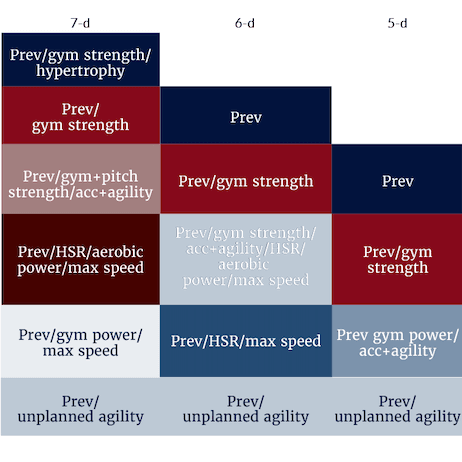
Lower-body resistance training immediately post-match play in elite soccer players: An applied narrative perspective for congested fixture schedules
Explores the rationale for immediate post-match lower-body resistance training in elite soccer during congested fixture schedules, examining recovery demands, strength maintenance, injury risk and applied programming strategies used within a UEFA Champions League environment.

Profile img
ARTICLE
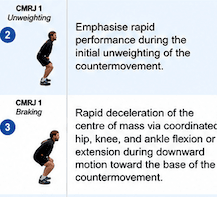
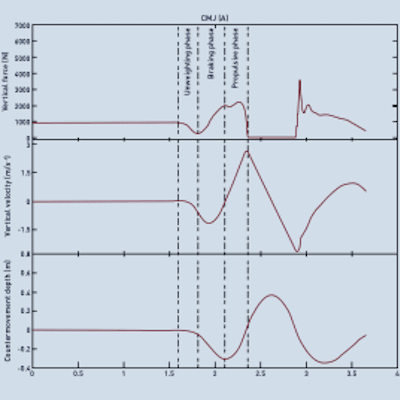
Countermovement rebound jump testing: Suggestions for coaches to optimise test utility
Learn how to implement and interpret the countermovement rebound jump (CMRJ) to assess slow and fast stretch-shortening cycle performance within a single, time-efficient test.

Profile img
ARTICLE
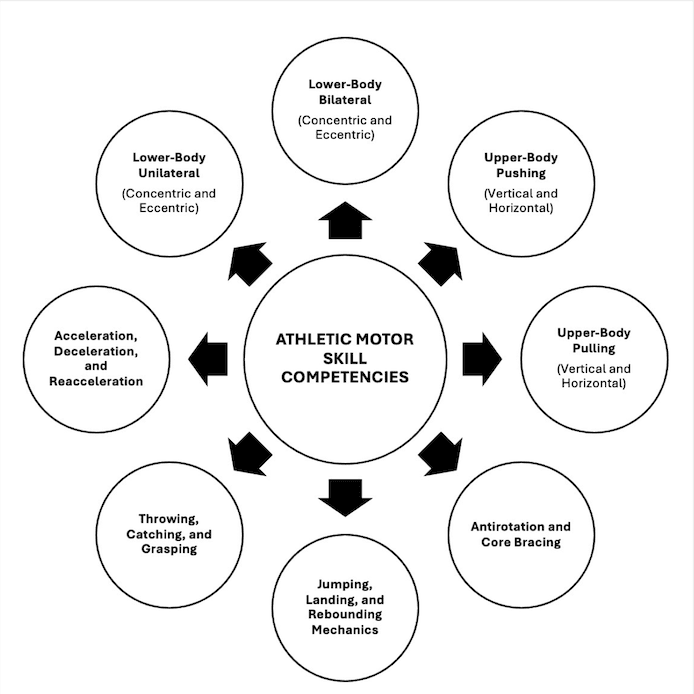
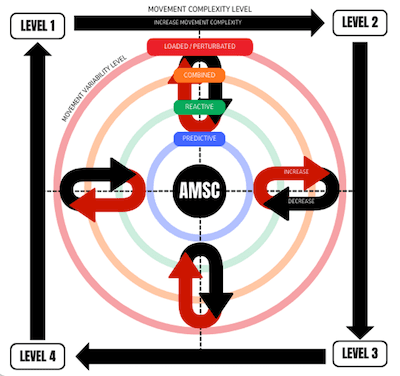
Developing athletic motor skill competencies in youth populations: Theoretical foundations and practical applications
Discover how Athletic Motor Skill Competencies (AMSCs) enhance youth motor development, physical literacy, performance and long-term participation in sport and physical activity.

Profile img
ARTICLE
Developing Youth Motor Competence using a Physical Literacy Lens: The Carnegie Strength and Conditioning Academy Programme
An evidence-informed youth strength and conditioning programme using physical literacy and motor competence to enhance engagement and development in 11–14-year-olds.

Profile img
VIDEO
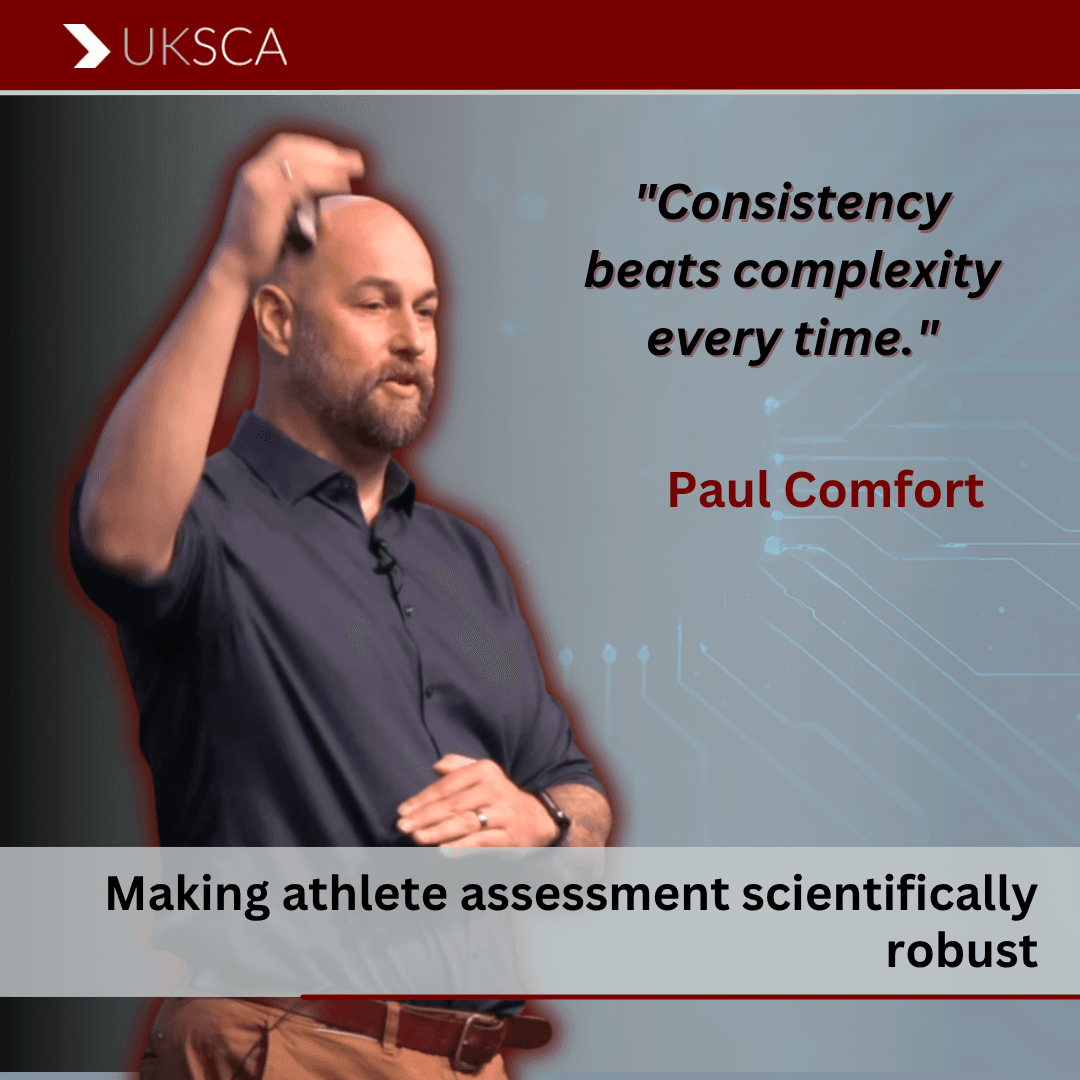
Making athlete assessment scientifically robust
Paul Comfort
Dr Paul Comfort explores force-plate testing, IMTP, CMJ and jump-height analysis for S&C coaches and sport scientists seeking better performance data.

Profile img
VIDEO
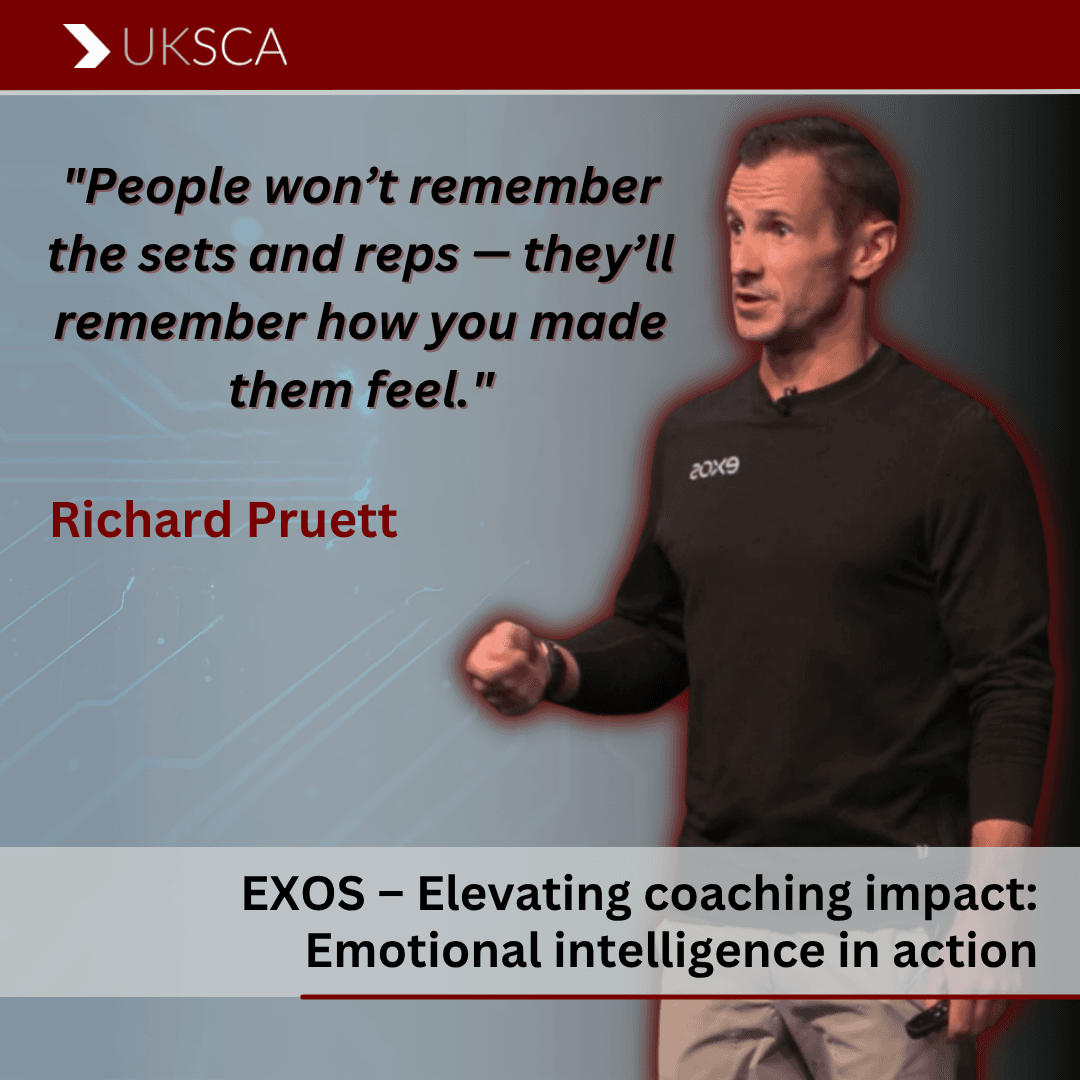
EXOS – Elevating coaching impact: Emotional intelligence in action
Richard Pruett
Richard Pruett explores emotional intelligence, athlete-centred coaching, and communication skills for strength & conditioning success.

Profile img
VIDEO
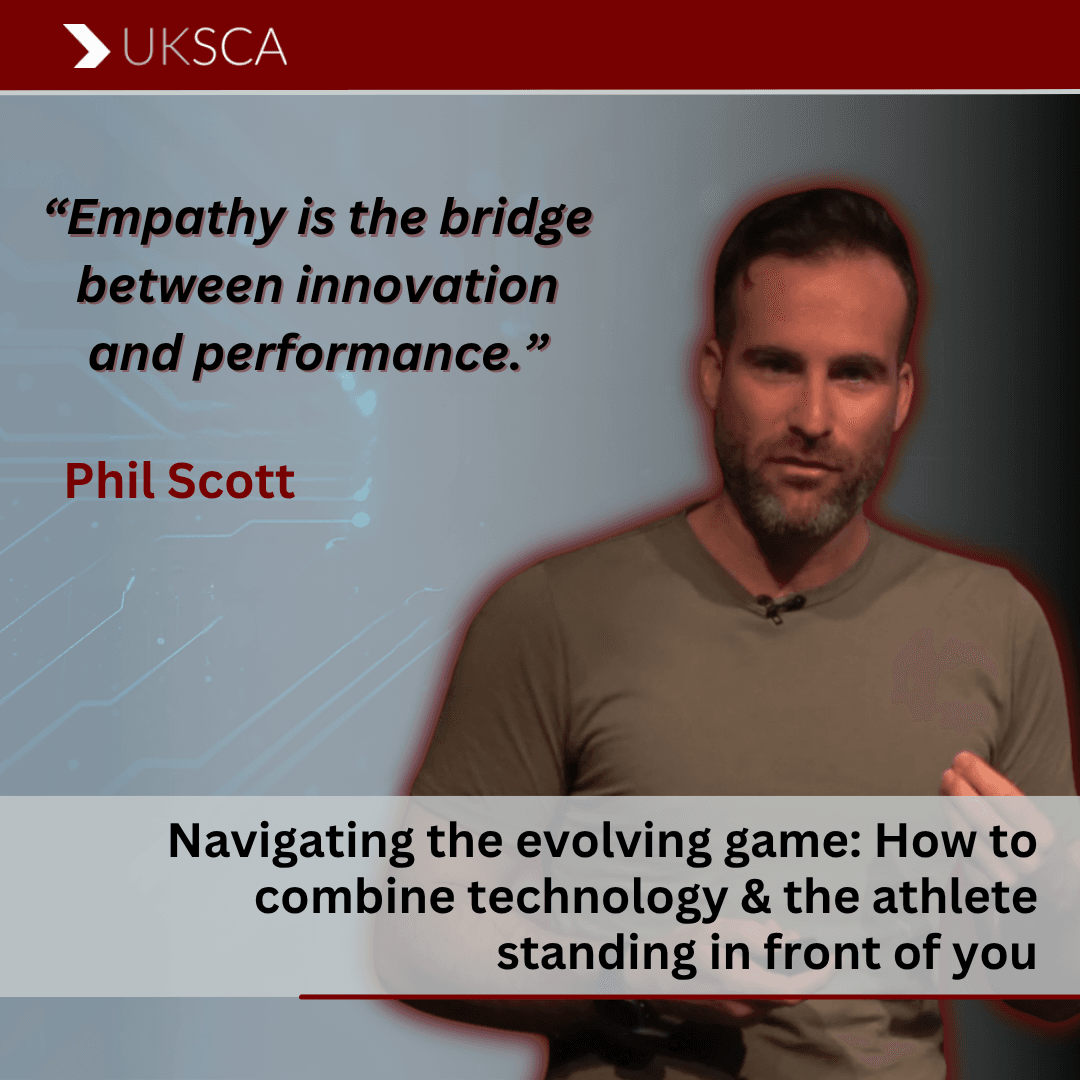
Navigating the evolving game: How to combine technology & the athlete standing in front of you
Dr Phil Scott
Dr Phil Scott explores humanising innovation in coaching—linking empathy, communication, and performance for S&C coaches and sport scientists.

Profile img
VIDEO
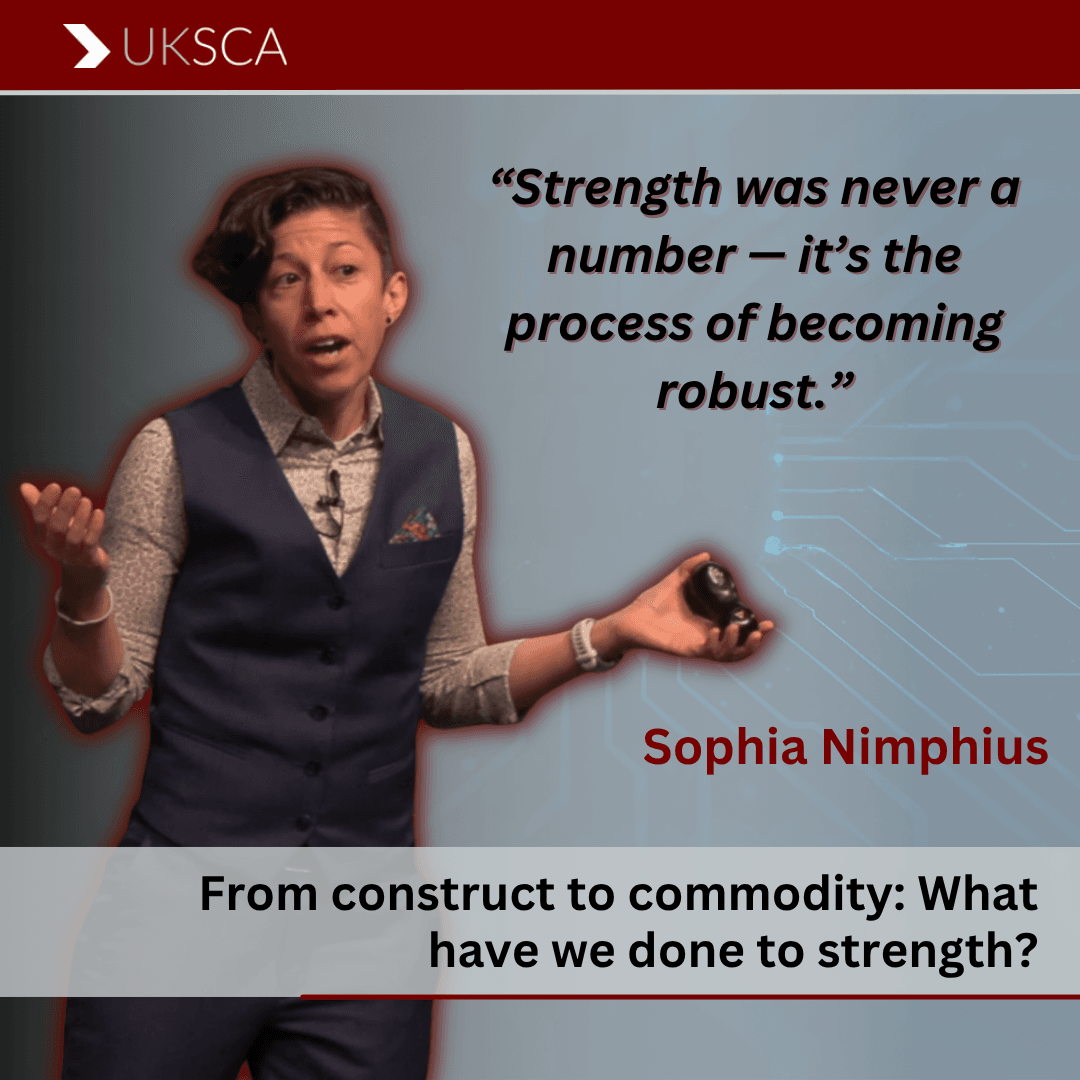
From construct to commodity: What have we done to strength?
Dr Sophia Nimphius
Dr Sophia Nimphius explores redefining strength as a process, not a number—insight for S&C coaches, sport scientists, and performance leaders.

Profile img
ARTICLE
How S&C coaches can work as allies in mental health: Awareness, prevention, and support
S&C coaches are uniquely positioned to understand the psychological pressures that accompany athletic performance.

Profile img
ARTICLE
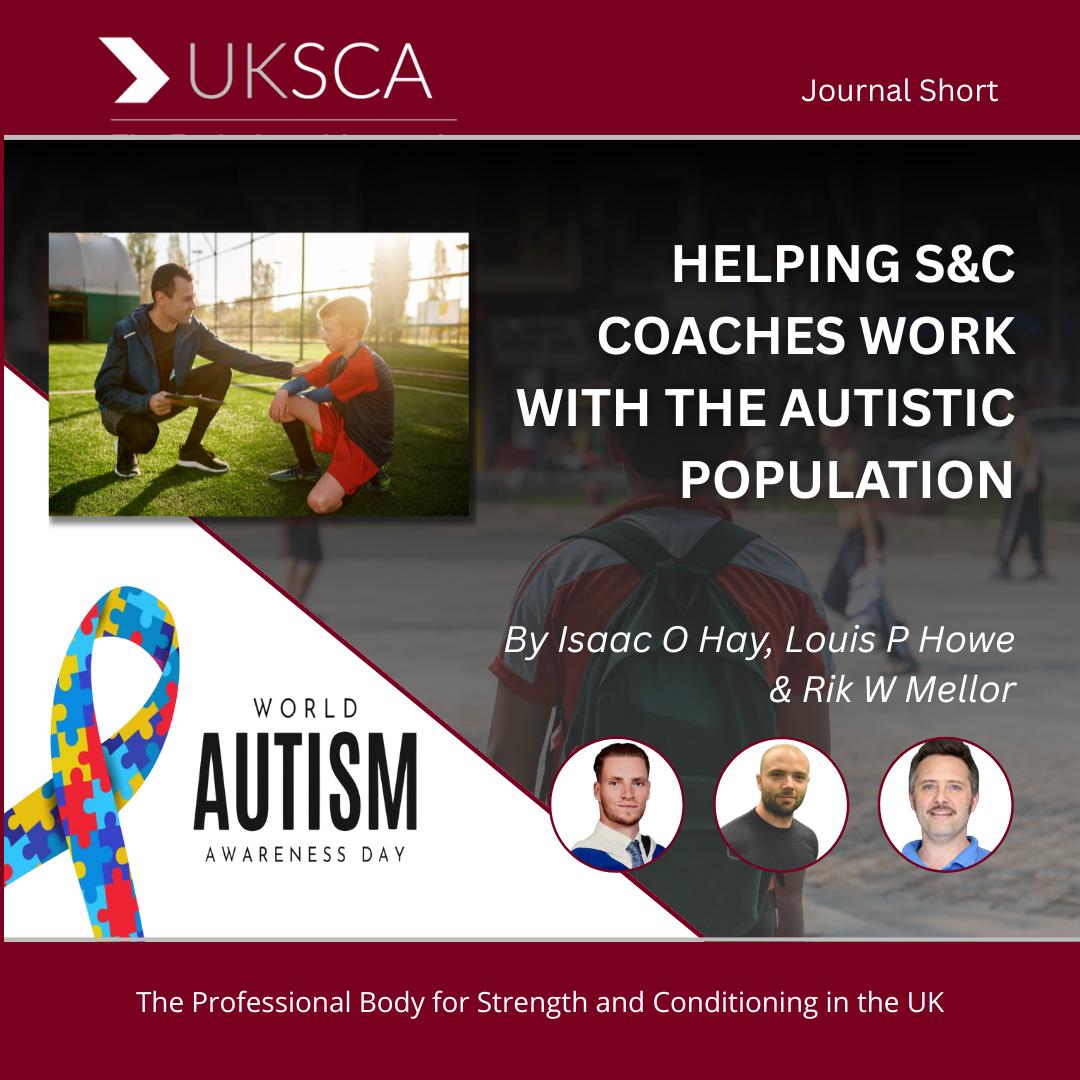
Journal short: Helping S&C coaches work with the autistic population
A short article on exploration and description of the autism spectrum disorder, with crucial information for S&C coaches, followed by a discussion of effective coaching strategies for working with the autistic population.

Profile img
ARTICLE
Evaluating strength and conditioning training techniques for autistic people
An in-depth exploration and description of the autism spectrum disorder, with crucial information for S&C coaches, followed by a discussion of effective coaching strategies for working with the autistic population.

Profile img
ARTICLE
The Dynamic Strength Index: is this a useful tool when making programming decisions?
The dynamic strength index (DSI) has been proposed as a diagnostic approach to manage strength training - how effective is it?

Profile img
ARTICLE
How to motivate university athletes using self determination theory
Discover how Self-Determination Theory can help S&C coaches increase athlete motivation, engagement and performance through autonomy-supportive coaching.

Profile img
ARTICLE
How to motivate university athletes using self- determination theory
The coach needs a comprehensive understanding of motivation to construct a positive training environment that is sensitive to the elemental motives of the athletes.

Profile img
ARTICLE
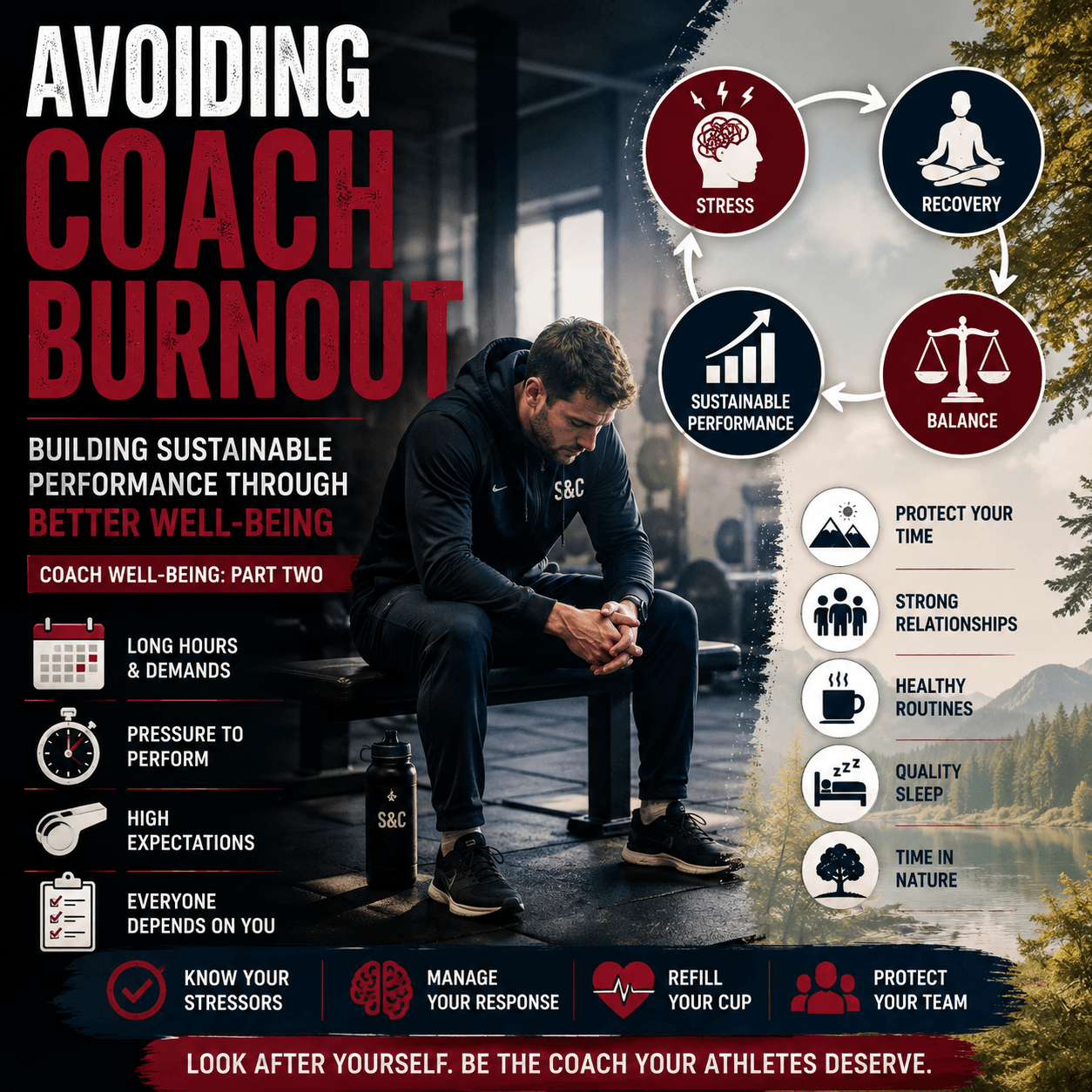
Burnout: how the S&C coach can take steps to avoid it
Learn how strength and conditioning coaches can recognise, prevent and recover from burnout through practical stress management, healthy boundaries and supportive workplace cultures.