Fuse logo
Logo image

Force Plate Assessment Before Arduous Military Training: Expert-Informed Recommendations for Test and Metric Selection

16/10/2026

Lead author:
Peter Ladlow
Co-authors:
NJ Ripley, DV Cabarkapa, D Cabarkapa, DW Chapman, MC Geneau, G Haff , LP James, P Jones, JP Lake, CJ Sole, A Turner, M D Vecchis, N Masters, C Coussens , R Holton, RJ Coppack, C Suffield, P Comfort.

ABSTRACT

Physically arduous military training courses impose substantial physiological and musculoskeletal demands, with course failure commonly attributable to injury, voluntary withdrawal or failure to meet required performance standards. Conventional field-based assessments provide valuable measures of physical performance but offer limited insight into the neuromuscular characteristics underpinning performance. Force plate assessment may complement existing screening by quantifying the magnitude, timing and strategy of force production. However, substantial heterogeneity exists in military force plate testing and metric selection. This study therefore aimed to identify an expert-informed minimum set of force plate tests and metrics to characterise neuromuscular performance before personnel undertake physically arduous military training courses.


Related Topics

Profile image
Author: Peter Ladlow

Strength and Conditioning Research Lead for UK Defence Rehabilitation based with the Academic Department of Military Rehabilitation (ADMR) at the UK Defence Medical Rehabilitation Centre (DMRC) Stanford Hall. Primary research involves integrating the principles of S&C into to inform physical preparation, injury mitigation and rehabilitation practice. UKSCA accredited since 2011.

Google Scholar: https://scholar.google.com/citations?user=6HyttjMAAAAJ&hl=en&oi=ao

Profile image
Author: D Cabarkapa
Profile image
Author: DV Cabarkapa
Profile image
Author: DW Chapman
Profile image
Author: MC Geneau
Profile image
Author: G Haff
Profile image
Author: LP James
Profile image
Author: P Jones
Profile image
Author: Jason Lake

Jason Lake is a Professor in Strength and Conditioning Biomechanics at the University of Chichester, as well as an Adjunct Professor at Edith Cowan University. He has studied the mechanical demands of resistance exercise and vertical jumping for over 20 years.

Profile image
Author: CJ Sole
Profile image
Author: Anthony Turner

Anthony is a Professor of Strength and Conditioning and the Research Degrees Coordinator at the London Sport Institute, Middlesex University. 
Profile image
Author: M D Vecchis
Profile image
Author: N Masters
Profile image
Author: Charles Coussens

Member of the Royal Army Physical Training Corps (RAPTC), currently working as Physical Training Instructor / Exercise Rehabilitation Instructor alongside highly trained personnel within the British army. Previous postings have been instructing and coaching personnel in preparation for All Arms Pre-Parachute Selection and other Arduous/Specialist Courses. 
Profile image
Author: R Holton
Profile image
Author: RJ Coppack
Profile image
Author: Colin Suffield

A former soldier, now Officer in the Royal Army Physical Training Corps (RAPTC) with over 30 years of experience as an ERI and PTI, he has led the delivery of military S&C across Initial Training and the Field Army, enhancing soldier readiness, resilience, and operational performance. An accredited UKSCA coach and Associate Lecturer at Buckinghamshire New University.

Profile image
Author: Professor Paul Comfort

Paul is Professor of Strength and Conditioning at the University of Salford and adjunct professor at Edith Cowan University. Paul is a founder member and accredited member of the UKSCA. He is also a fellow of the NSCA and was an NSCA board member from 2020-2023. The NSCA also honored Paul with the William J Kraemer Outstanding Sports Scientist award for 2025. Professor Comfort is also a master international strength and conditioning practitioner (mISCP) through the IUSCA. He regularly consults with numerous team sports in the UK and USA. Paul has published >200 peer reviewed journal articles and has edited numerous books. Paul is currently working on research projects with NASA and the Defence Medical Rehabilitation Centre in the UK.

In this issue

Profile img
ARTICLE
Letter from the Editor and UKSCA Chair: Post UKSCA 2026 Conference
Reflections on the UKSCA 2026 Annual Conference, celebrating member achievements, professional development and the future direction of the association and PSCJ.

Profile img
ARTICLE
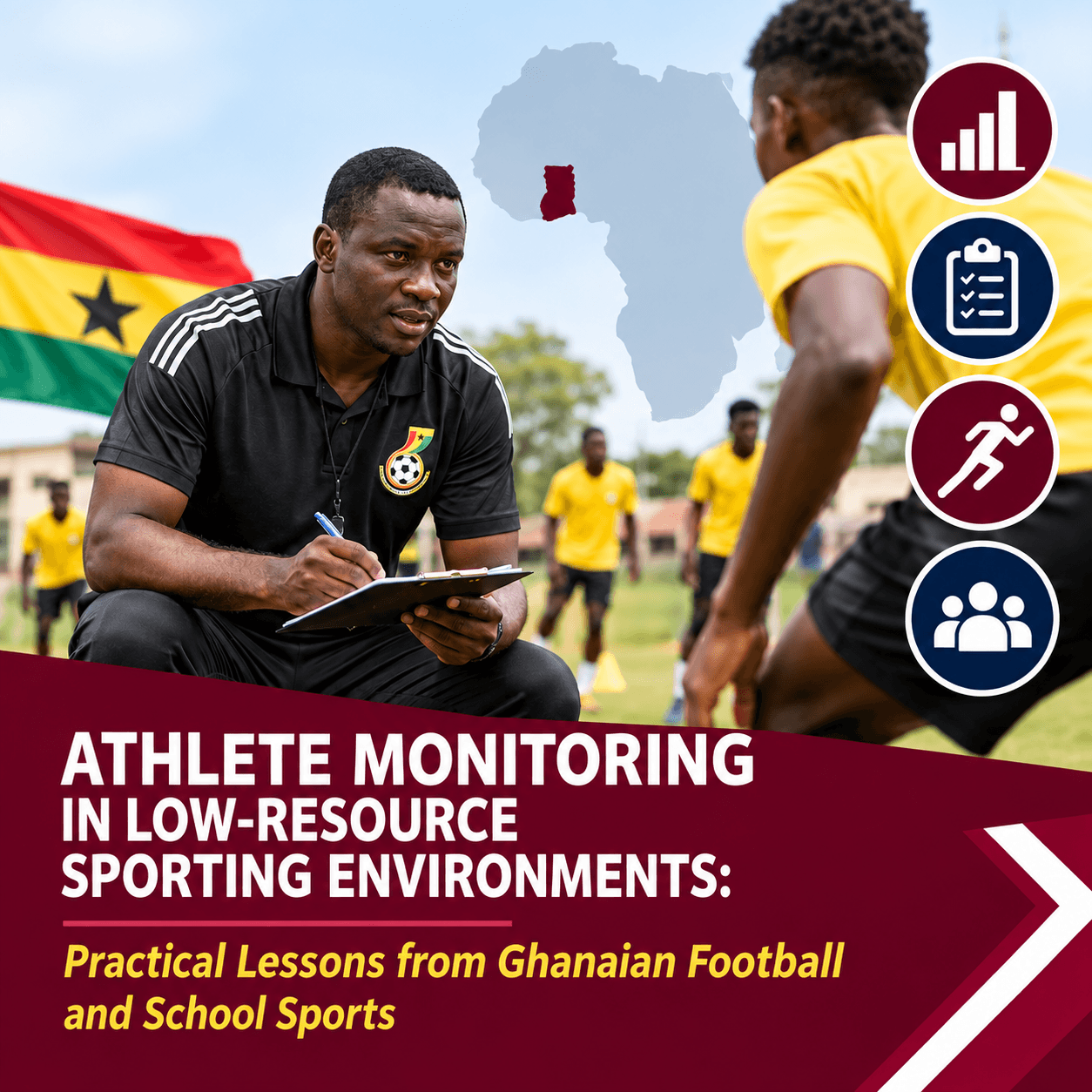
Athlete Monitoring Practices in Low-Resource Sporting Environments: Evidence from Ghanaian Football and School Sports
Athlete monitoring in low-resource sporting environments, exploring practical, sustainable methods used in Ghanaian football and school sports.

Profile img
ARTICLE
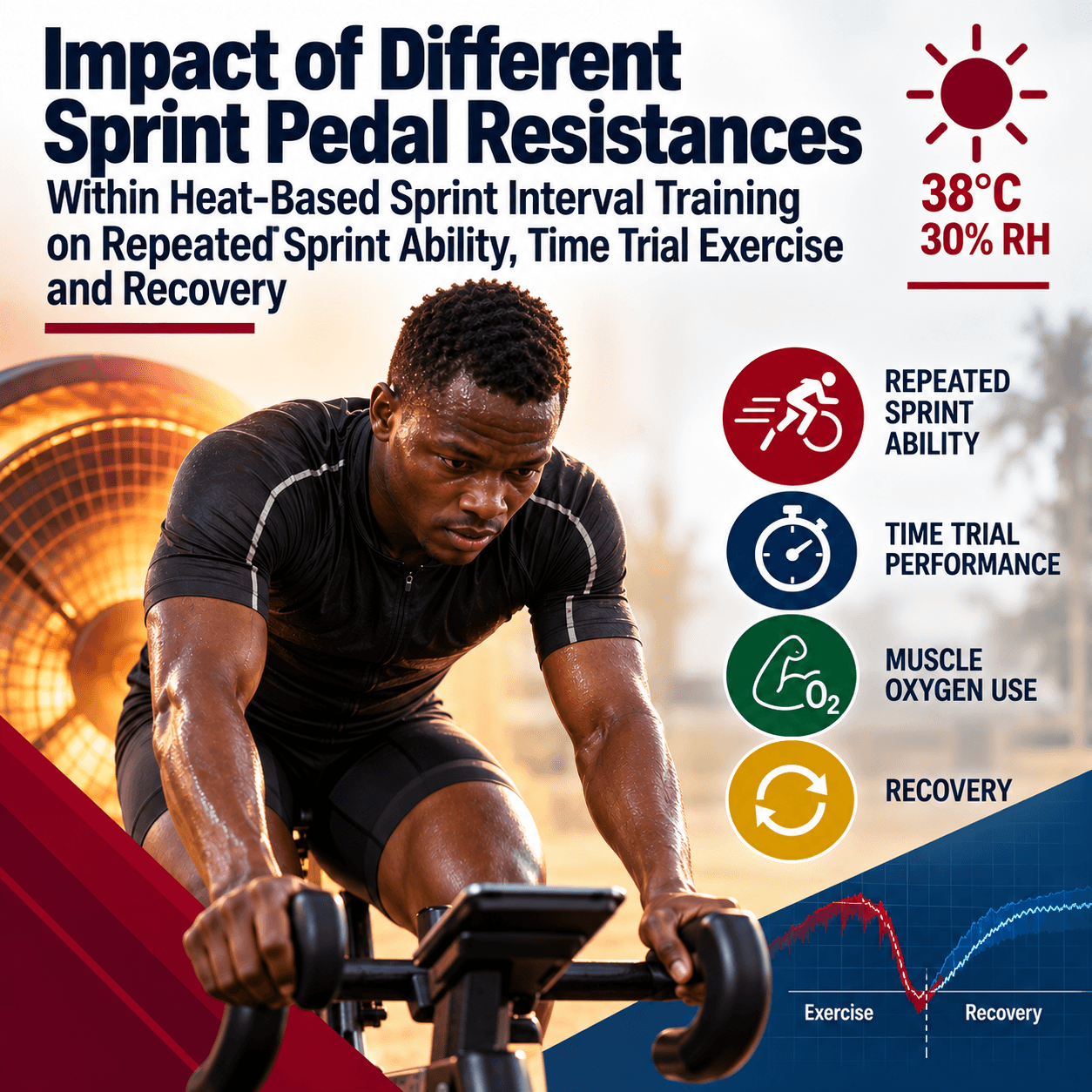
Impact of Different Sprint Pedal Resistances Within Heat-Based Sprint Interval Training on Repeated Sprint Ability, Time Trial Exercise and Recovery
Examining how different sprint pedal resistances during heat-based sprint interval training affect repeated sprint ability, cycling performance, muscle oxygen use and recovery.

Profile img
ARTICLE
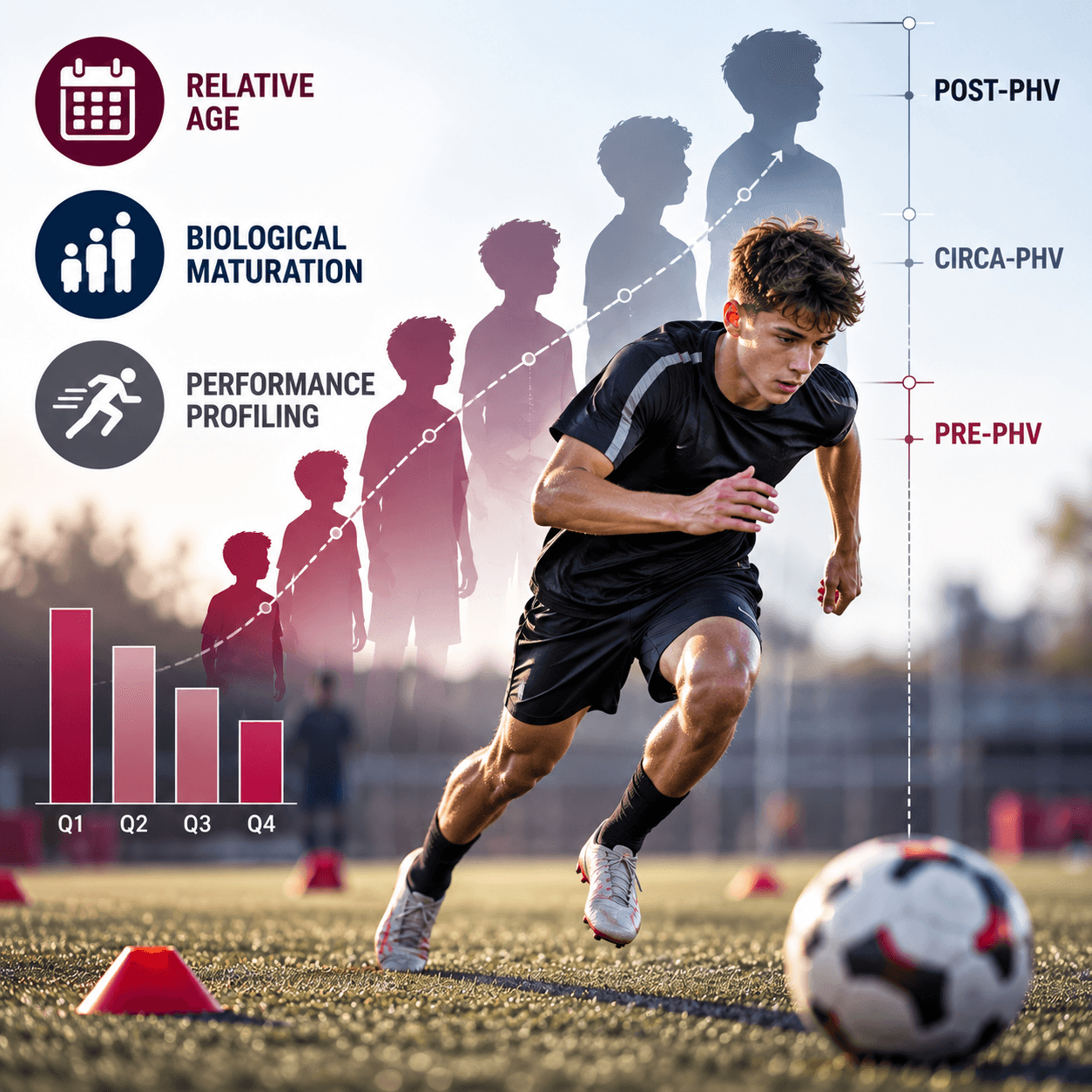
Does Relative Age and Biological Maturation Affect Performance Profiling Outcomes in Youth Football?
Explores how relative age and biological maturation influence performance profiling in youth football, highlighting implications for talent identification and player development.

Profile img
ARTICLE
Adapting Training Load Based on the Menstrual Cycle in Women’s Football: Player Perception, Preferences, Barriers and Experiences
Explores female footballers’ perceptions, preferences and barriers around menstrual cycle tracking, with practical recommendations for adapting training load and improving athlete buy-in.

Profile img
ARTICLE
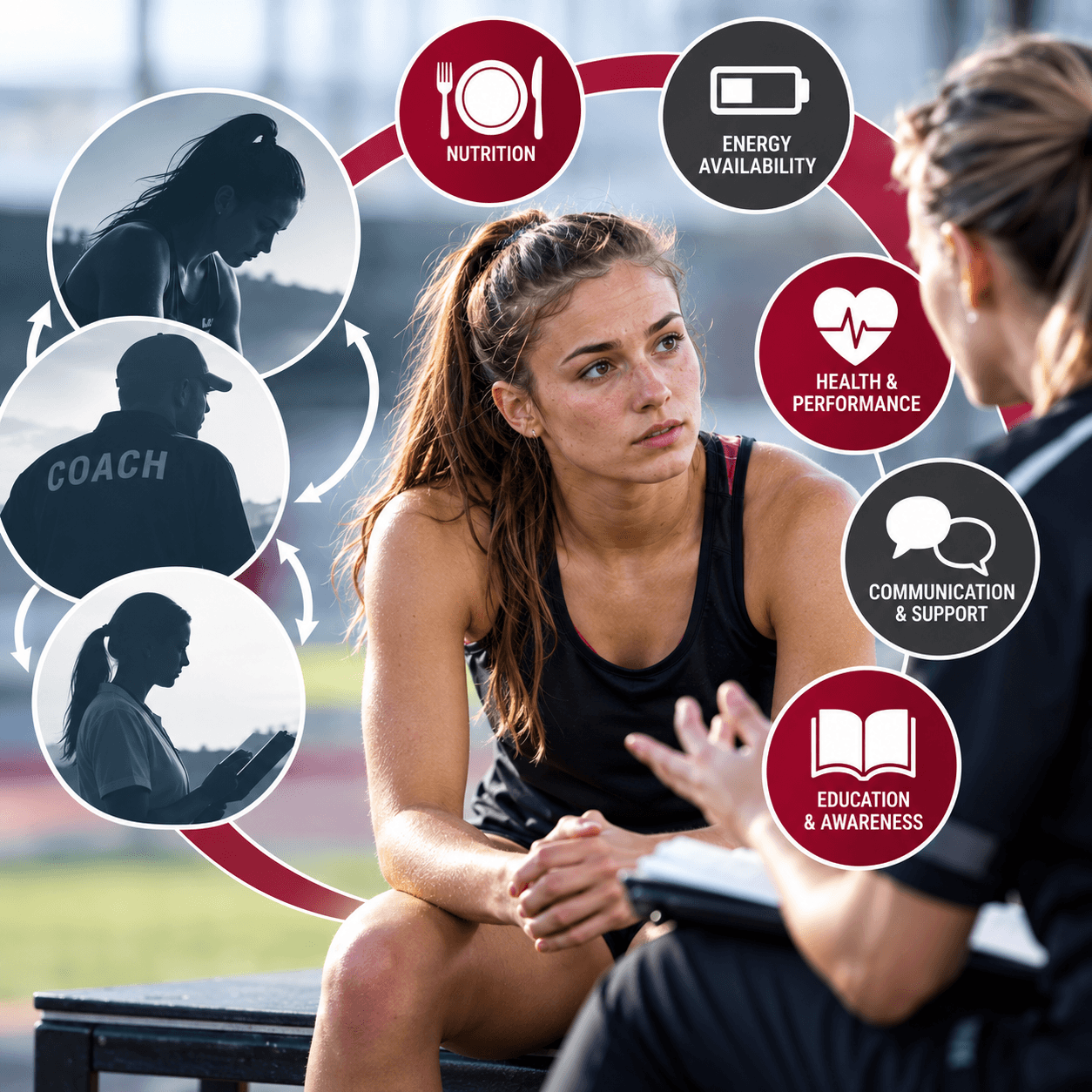
Experiences of Relative Energy Deficiency in Sport (REDs) are Complex and Multifaceted, with Expectations and Perceptions Shaped by Individual Perspectives
Explores athlete, coach and support staff perspectives on Relative Energy Deficiency in sport (REDs), highlighting education, individualised care and the coach–athlete relationship.

Profile img
ARTICLE
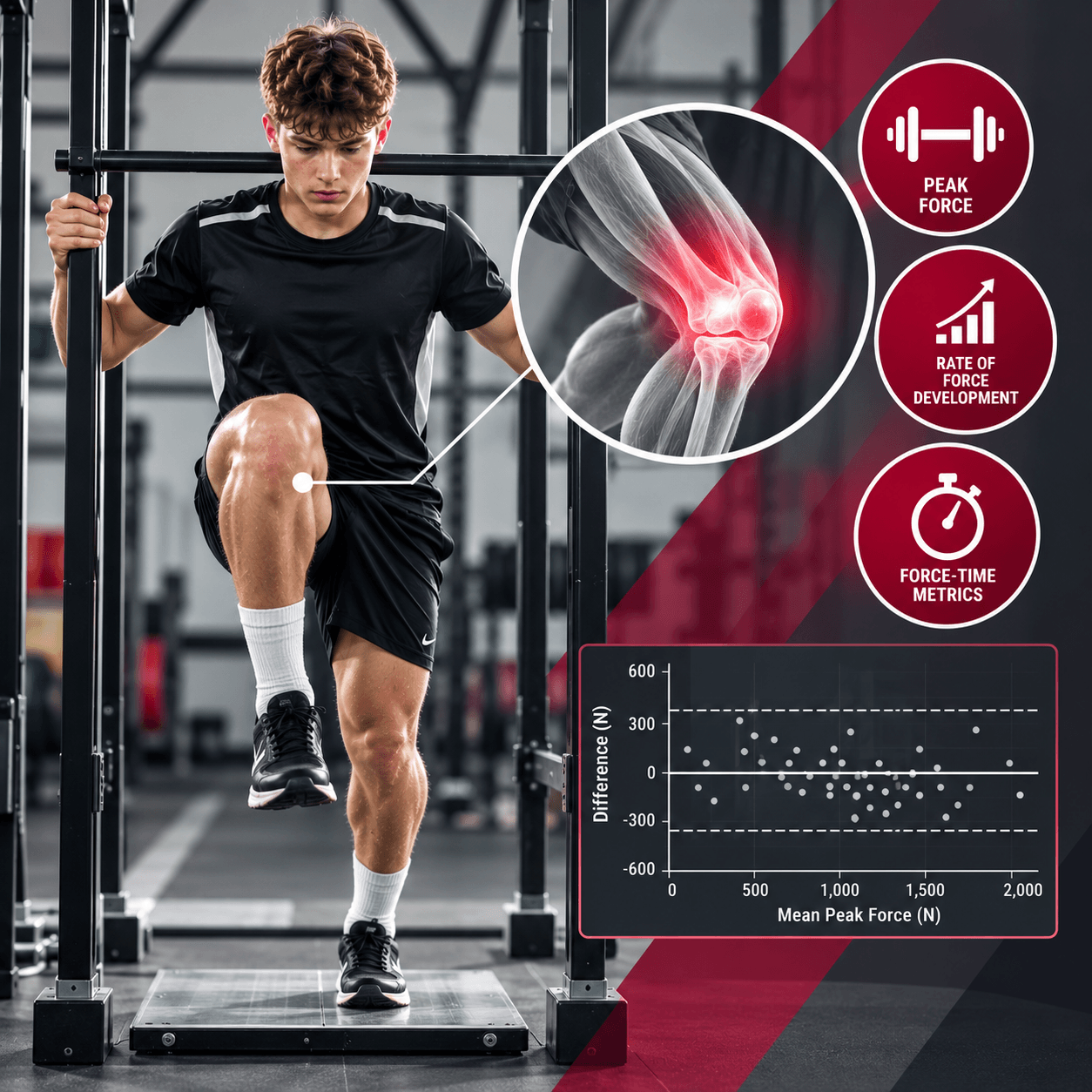
The Run-Specific Knee Isometric-Push Assessment: A Measurement Reliability Study in Adolescent Athletes.
Examines the measurement reliability of the run-specific knee isometric-push assessment for profiling force-time performance and injury-related asymmetries in adolescent athletes.

Profile img
ARTICLE
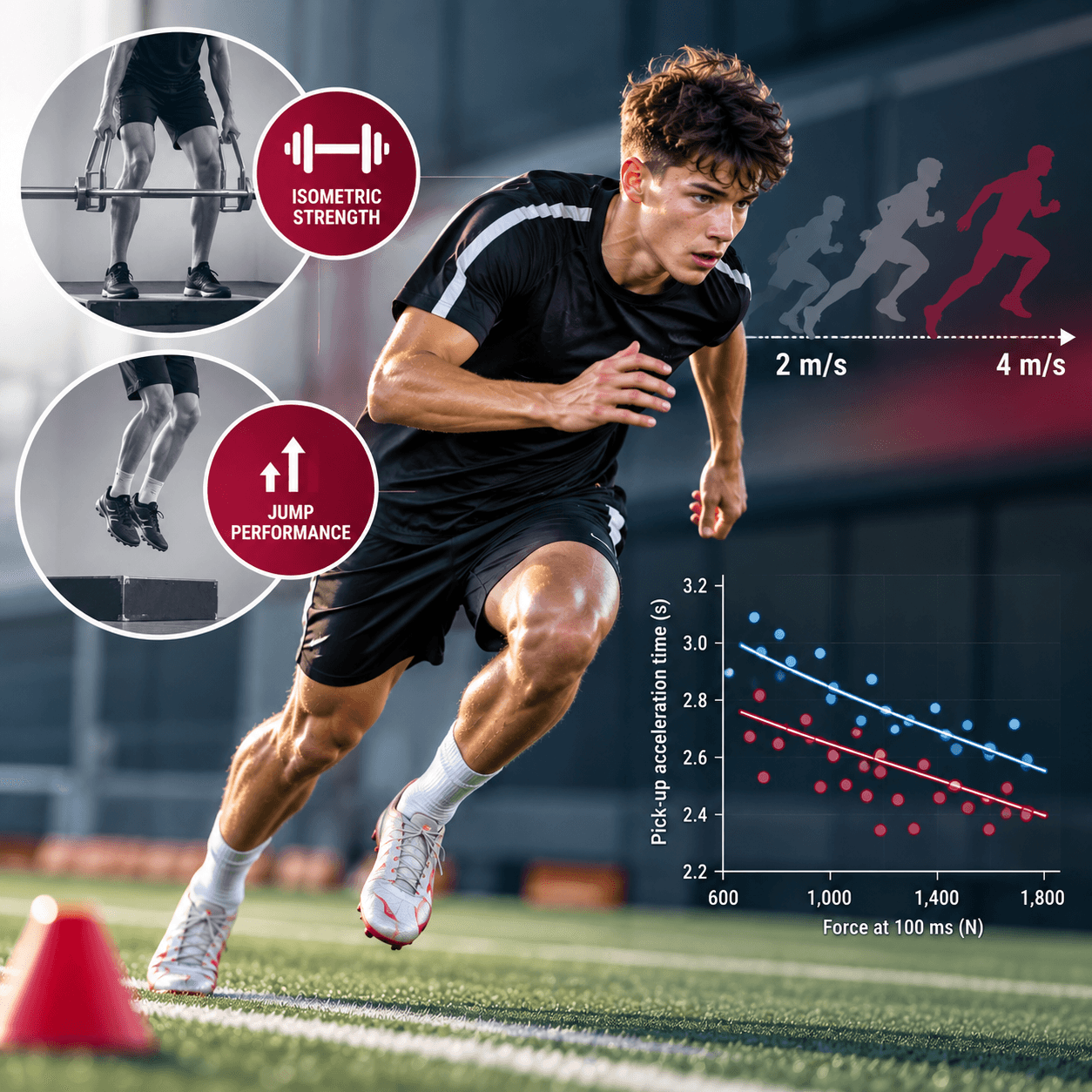
Relationships between Pick-up Acceleration, Isometric and Jump Force-Time Variables in Youth Football Players
Examines relationships between pick-up acceleration, isometric strength and jump performance in youth football, highlighting early-phase force development as a key predictor of acceleration performance.

Profile img
ARTICLE
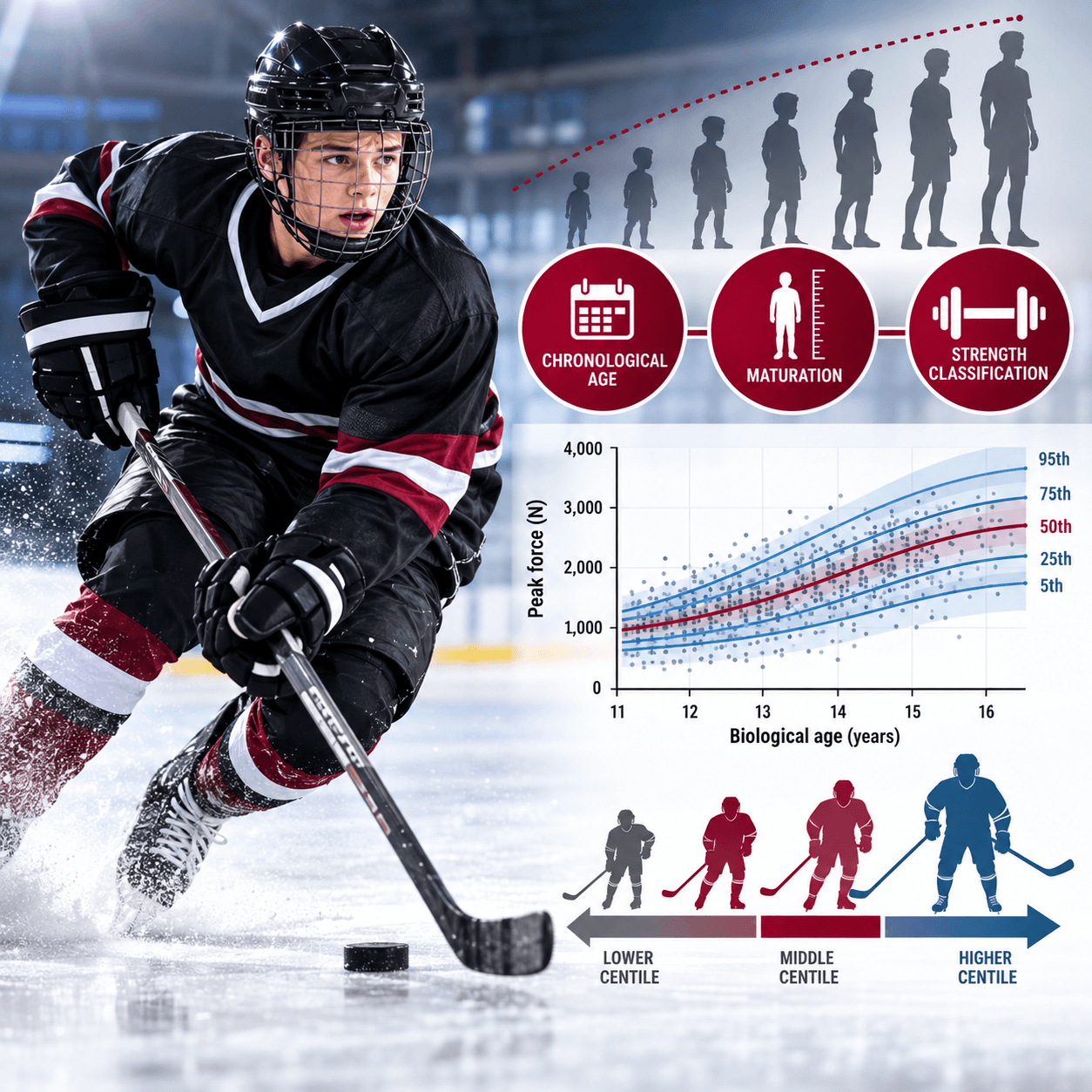
Maturity-aware reference profiling of strength in competitive UK youth male ice hockey: athlete reclassification using chronological-age and biological-age centiles.
Examines how biological maturation and body size influence strength classification in UK youth ice hockey players, highlighting maturation-sensitive centiles and allometric scaling.

Profile img
ARTICLE
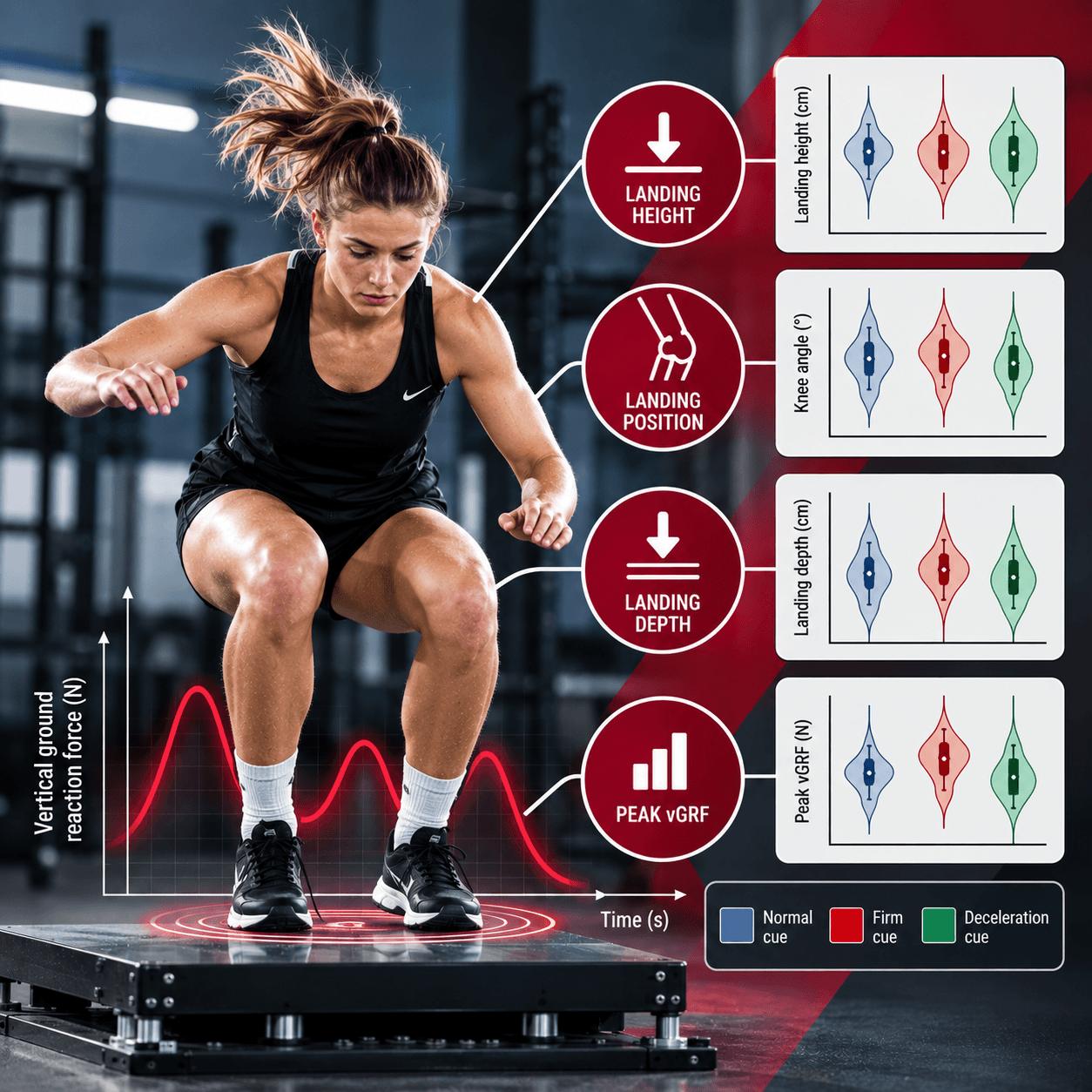
Cueing the Landing: Effects on Landing Mechanics and Reliability in University Athletes
Examines how verbal cueing influences landing mechanics and measurement reliability, including landing height, position, depth and peak vertical ground reaction force.

Profile img
ARTICLE
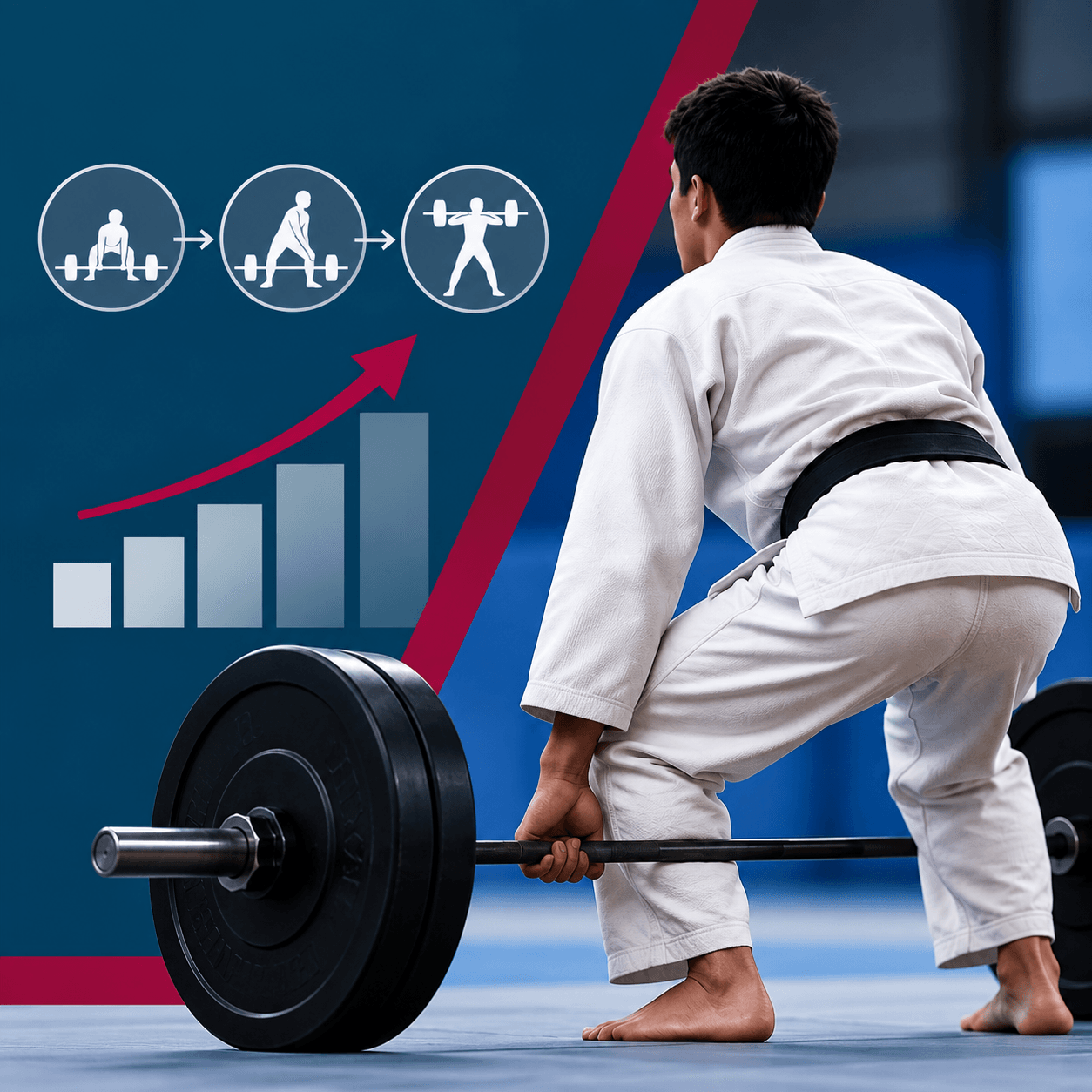
Technical Exercise Proficiency as a Programme Foundation for the Development of Judo Specific Muscular Strength: A Case Study in S&C Novice Club Judokas
Explore how technical exercise proficiency and power clean progression influence judo-specific muscular strength development in novice judokas.

Profile img
ARTICLE
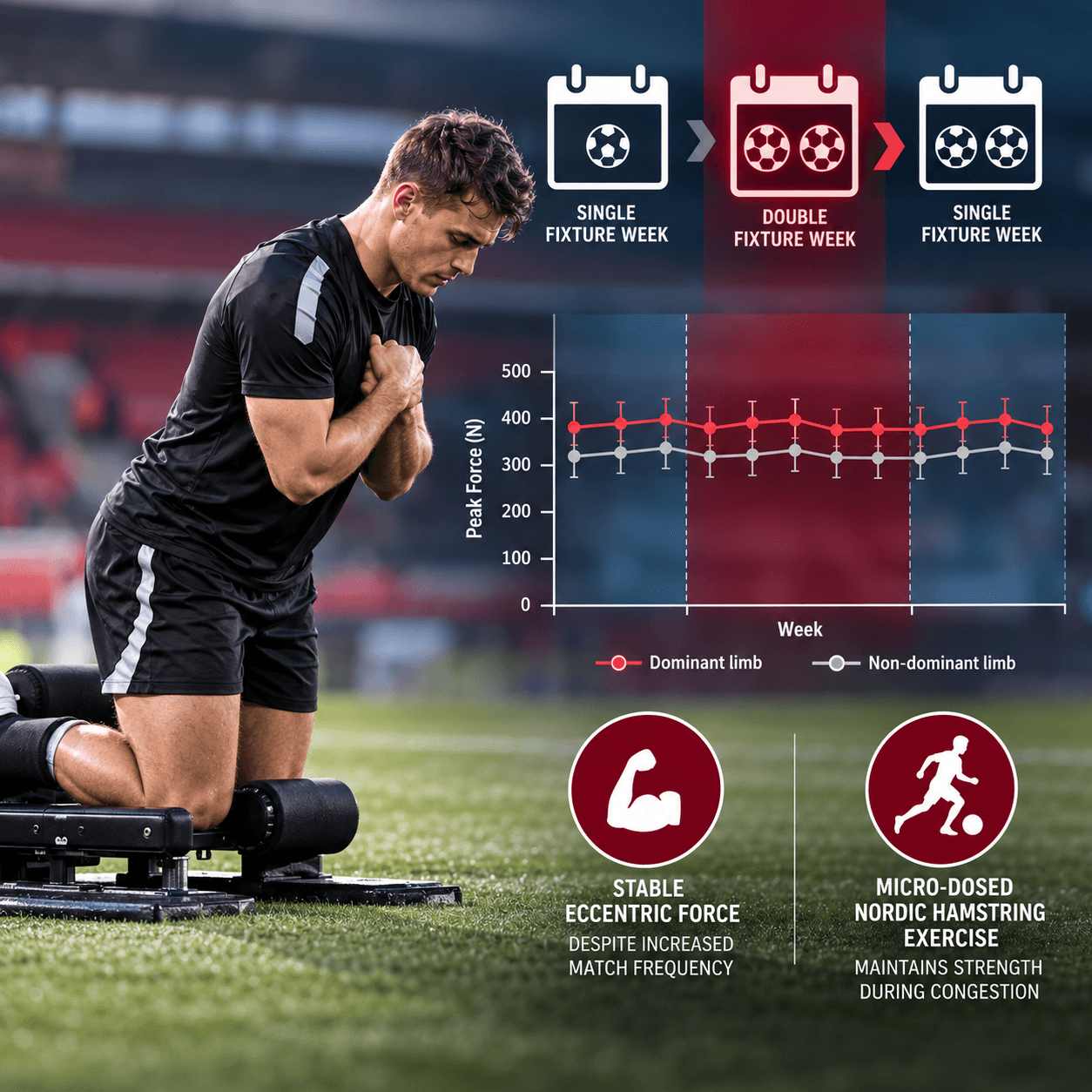
Longitudinal monitoring of eccentric hamstring strength during fixture congestion in professional football: No changes in force despite increased match frequency
Examines eccentric hamstring strength during fixture congestion in professional football, showing stable force despite increased match frequency and supporting micro-dosed Nordic hamstring exercise.

Profile img
ARTICLE
School-Based Strength and Conditioning: A Delphi Study of Essential Components
Identifies expert consensus on essential components of school-based strength and conditioning, prioritising safety, coaching quality and developmentally appropriate training.

Profile img
ARTICLE
Development of an International Expert Consensus Framework for Criteria-Based Rehabilitation and Return to Performance Following Climbing injury
Presents an international expert consensus framework for criteria-based rehabilitation and return to performance following climbing injury, integrating physical capacity, climbing exposure and psychological readiness. Ehiogu

Profile img
ARTICLE
Reliability and Measurement Error of a Climbing-Specific Upper Extremity Testing Battery for Sports Rehabilitation and Performance Monitoring
Examines the reliability and measurement error of a climbing-specific upper-extremity testing battery for monitoring finger and shoulder strength and endurance during rehabilitation.

Profile img
ARTICLE
Return to climbing after musculoskeletal injury: A scoping review of rehabilitation content, outcome measures and return to sport criteria.
Reviews rehabilitation, outcome measures and return-to-climbing criteria following musculoskeletal injury, highlighting gaps in objective progression and return-to-performance guidance.