Fuse logo
Logo image

UKSCA-IQ

Vast online library of videos, articles, podcasts, streamed presentations and eLearning modules


High intensity training in young athletes

01/10/2012
By Craig Williams, Bert Bond

Studies show that during high intensity exercise decrement in peak performance is lower in children than adults, significant considering the current focus on steady state aerobic training.

This content is available free to registered users

UKSCA-IQ

Join UKSCA-IQ to access this content
Sign In

If you have an existing UKSCA account

Additional resources


Profile img
ARTICLE
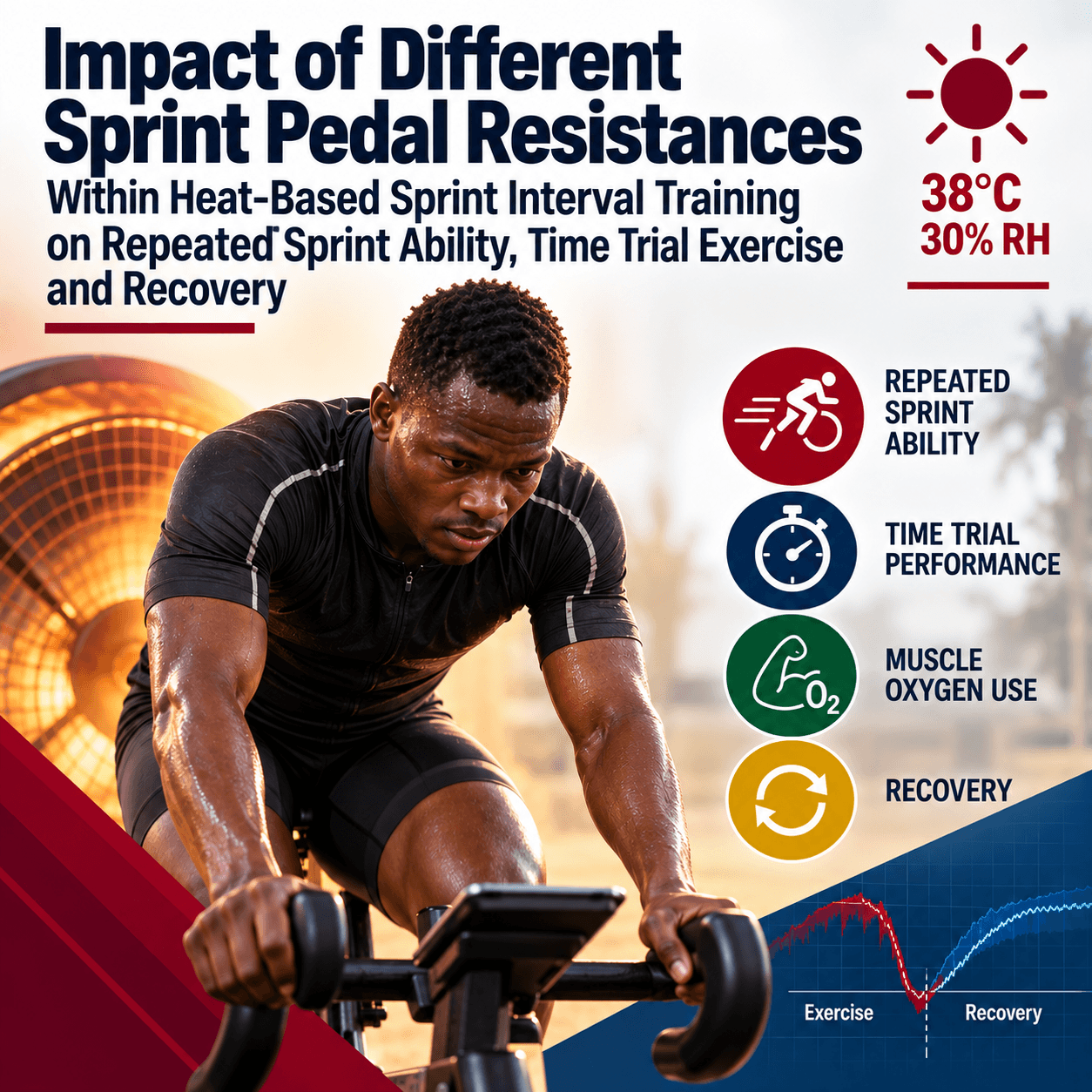
Impact of Different Sprint Pedal Resistances Within Heat-Based Sprint Interval Training on Repeated Sprint Ability, Time Trial Exercise and Recovery
Examining how different sprint pedal resistances during heat-based sprint interval training affect repeated sprint ability, cycling performance, muscle oxygen use and recovery.

Profile img
ARTICLE
School-Based Strength and Conditioning: A Delphi Study of Essential Components
Identifies expert consensus on essential components of school-based strength and conditioning, prioritising safety, coaching quality and developmentally appropriate training.

Profile img
ARTICLE
Athlete Monitoring Practices in Low-Resource Sporting Environments: Evidence from Ghanaian Football and School Sports
Athlete monitoring in low-resource sporting environments, exploring practical, sustainable methods used in Ghanaian football and school sports.

Profile img
ARTICLE
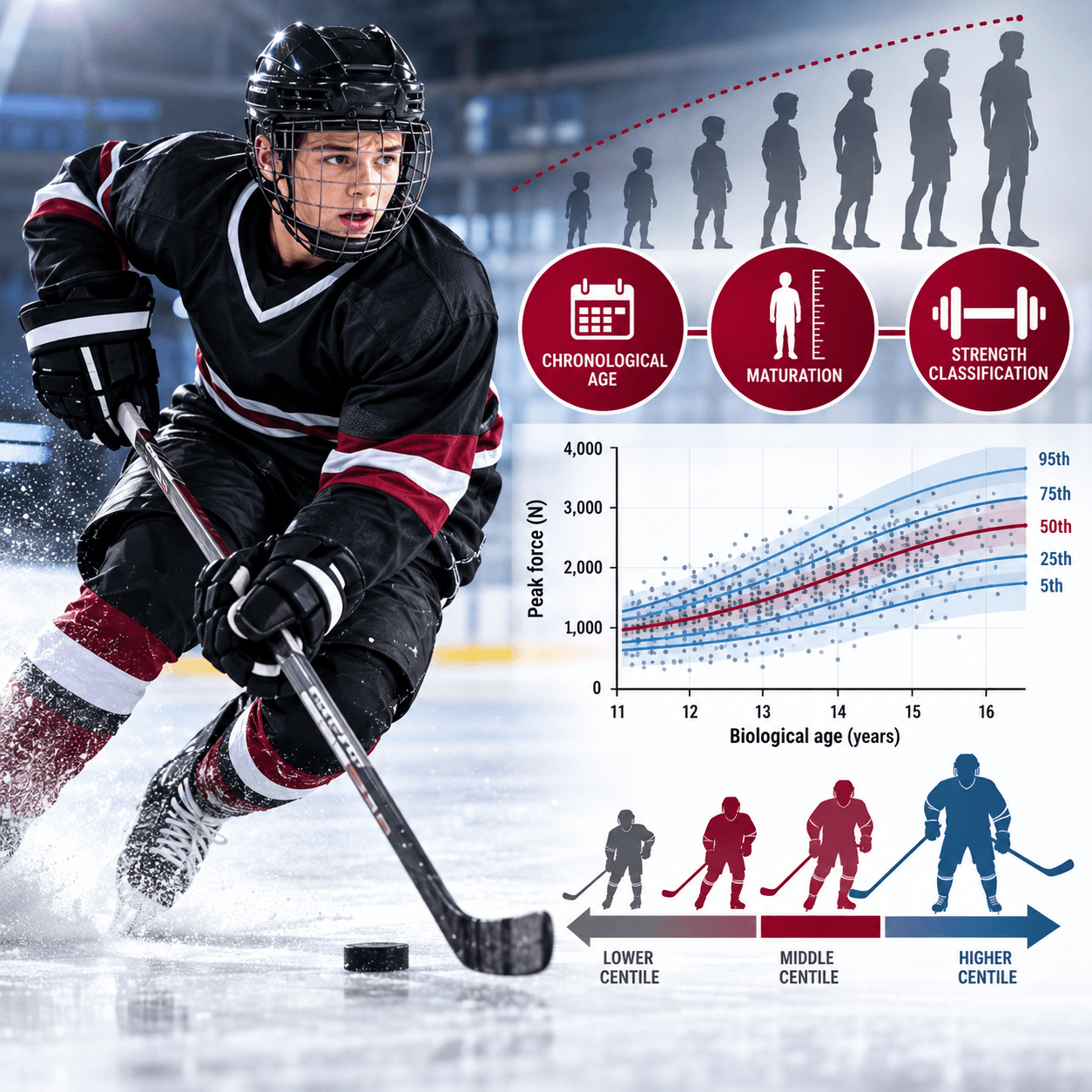
Maturity-aware reference profiling of strength in competitive UK youth male ice hockey: athlete reclassification using chronological-age and biological-age centiles.
Examines how biological maturation and body size influence strength classification in UK youth ice hockey players, highlighting maturation-sensitive centiles and allometric scaling.

Profile img
ARTICLE
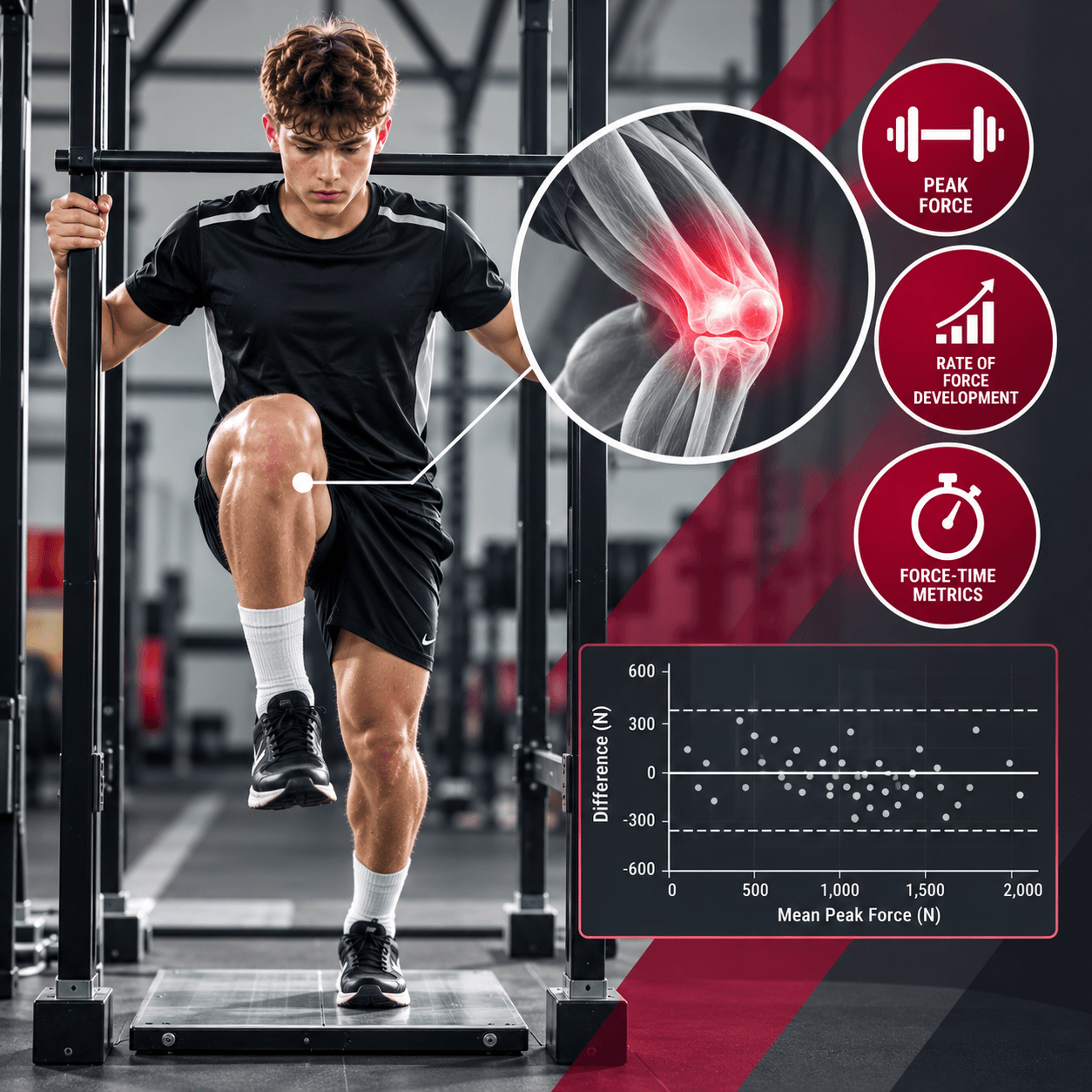
The Run-Specific Knee Isometric-Push Assessment: A Measurement Reliability Study in Adolescent Athletes.
Examines the measurement reliability of the run-specific knee isometric-push assessment for profiling force-time performance and injury-related asymmetries in adolescent athletes.

Profile img
ARTICLE
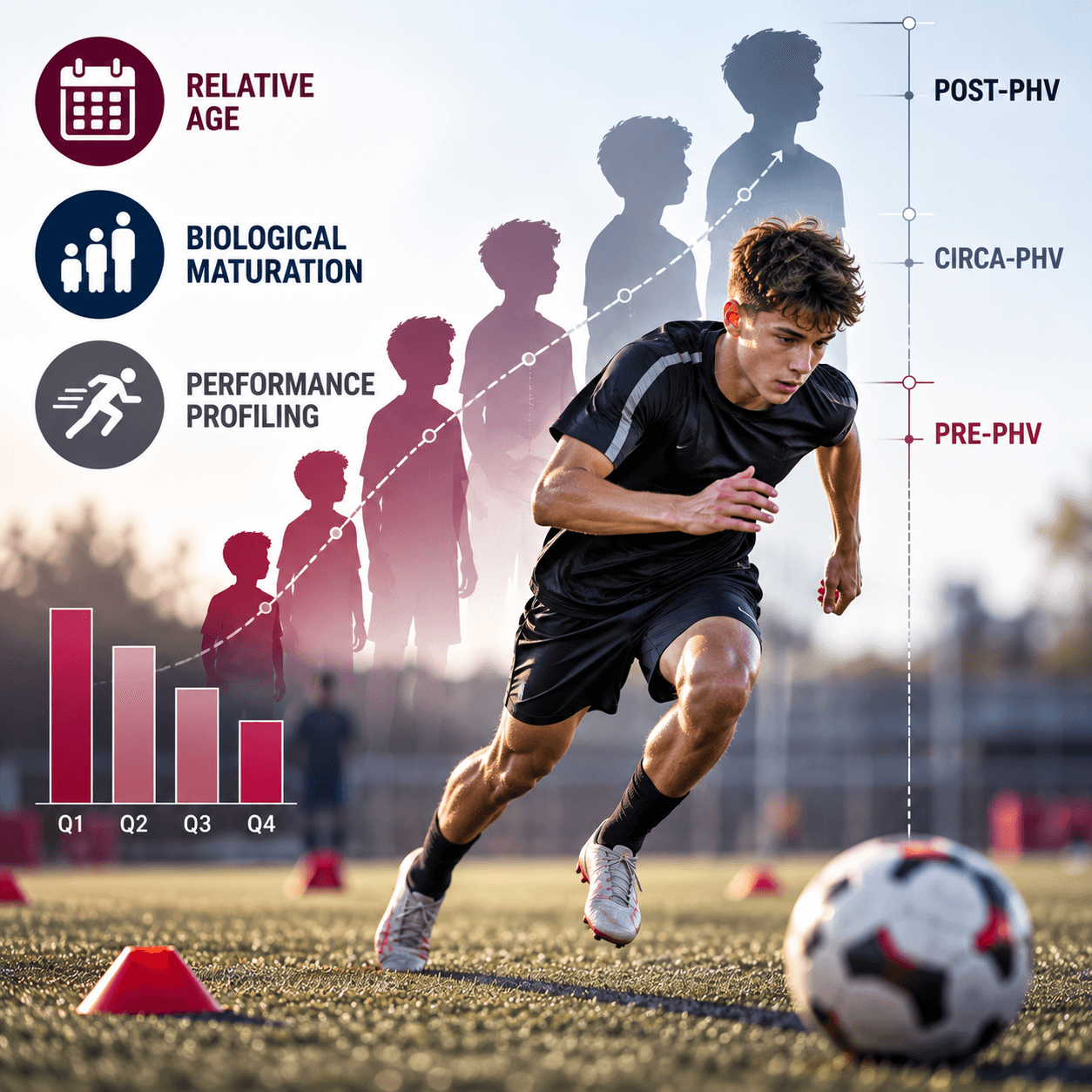
Does Relative Age and Biological Maturation Affect Performance Profiling Outcomes in Youth Football?
Explores how relative age and biological maturation influence performance profiling in youth football, highlighting implications for talent identification and player development.

Profile img
ARTICLE
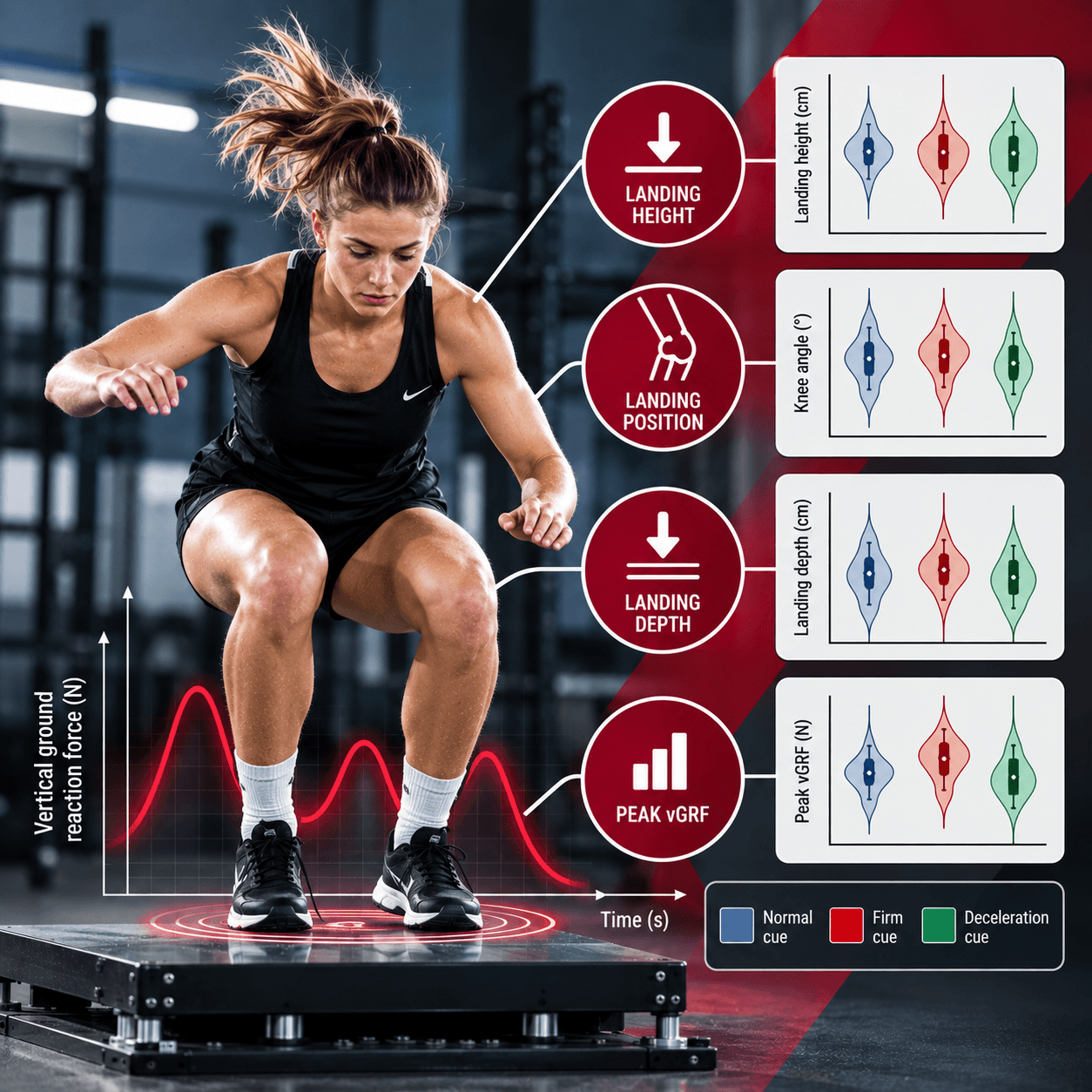
Cueing the Landing: Effects on Landing Mechanics and Reliability in University Athletes
Examines how verbal cueing influences landing mechanics and measurement reliability, including landing height, position, depth and peak vertical ground reaction force.

Profile img
ARTICLE
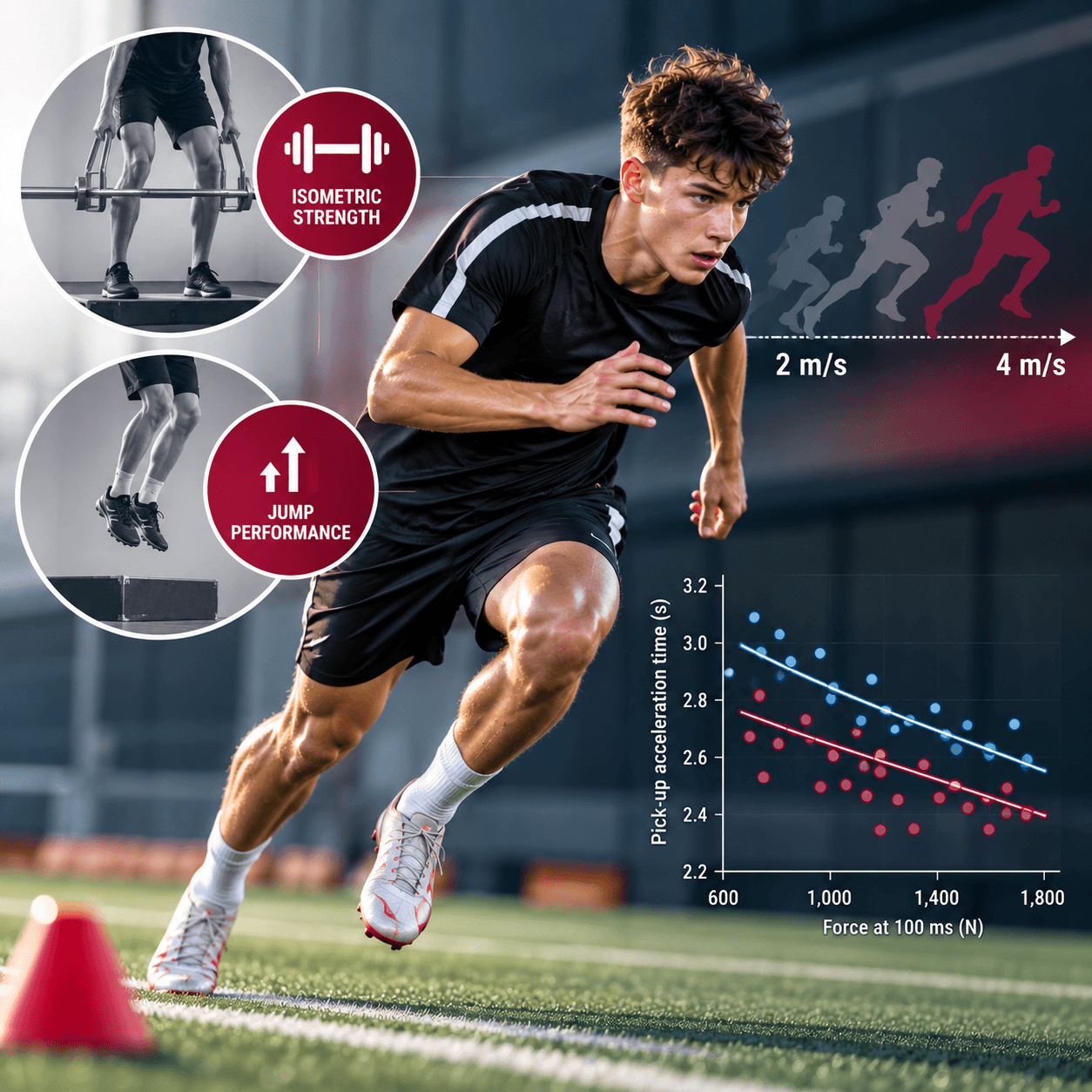
Relationships between Pick-up Acceleration, Isometric and Jump Force-Time Variables in Youth Football Players
Examines relationships between pick-up acceleration, isometric strength and jump performance in youth football, highlighting early-phase force development as a key predictor of acceleration performance.

Profile img
ARTICLE
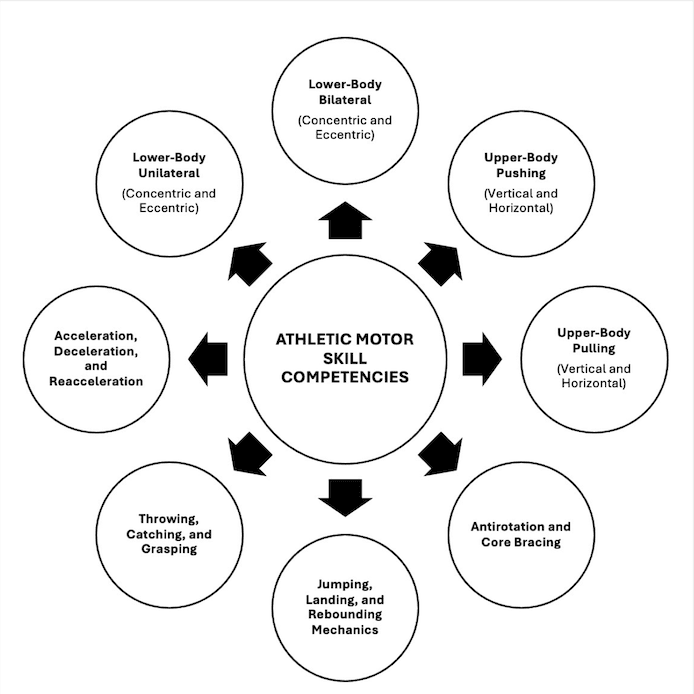
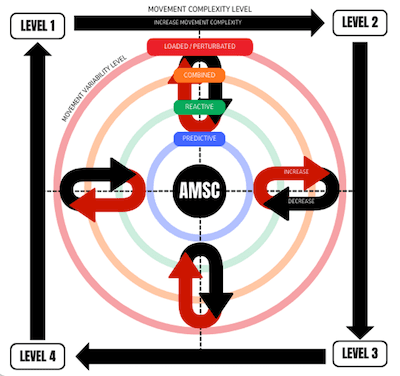
Developing athletic motor skill competencies in youth populations: Theoretical foundations and practical applications
Discover how Athletic Motor Skill Competencies (AMSCs) enhance youth motor development, physical literacy, performance and long-term participation in sport and physical activity.

Profile img
ARTICLE
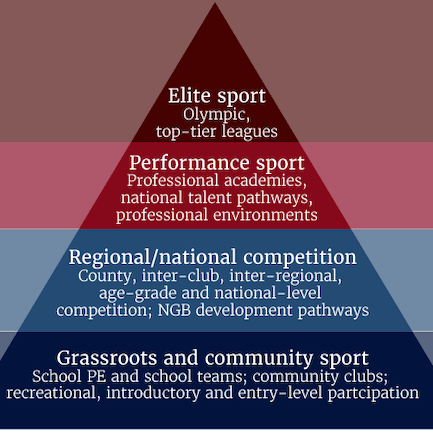
Grassroots Sport: Definitions and Opportunities for the Strength and Conditioning Practitioner
Grassroots sport is the foundation of lifelong participation and talent development. Discover how strength and conditioning can enhance safety, inclusion, physical literacy and long-term engagement.

Profile img
ARTICLE
Full FMS™ vs. Modified FMS™ Screening: A comparison of associations with independent athletic performance measures
Examination of full and modified FMS™ scores in football players, exploring links with sprint speed, jump performance and movement quality across sex, age and playing position.

Profile img
ARTICLE
Developing Youth Motor Competence using a Physical Literacy Lens: The Carnegie Strength and Conditioning Academy Programme
An evidence-informed youth strength and conditioning programme using physical literacy and motor competence to enhance engagement and development in 11–14-year-olds.

Profile img
ARTICLE
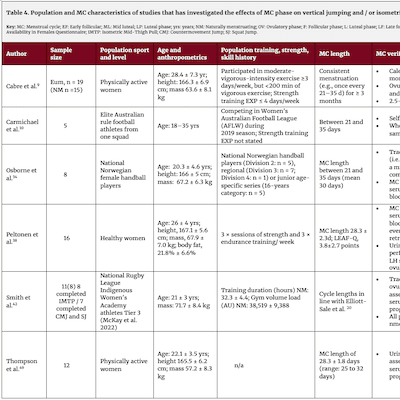
Effects of the Menstrual Cycle Phase on Lower-Limb Isometric and Vertical Jumping Force-Time Characteristics in Eumenorrheic and Naturally Menstruating Women: A Systematic Review
Systematic review exploring how menstrual cycle phases influence neuromuscular performance, reactive strength, impulse and stretch-shortening cycle force-time metrics in women.

Profile img
VIDEO
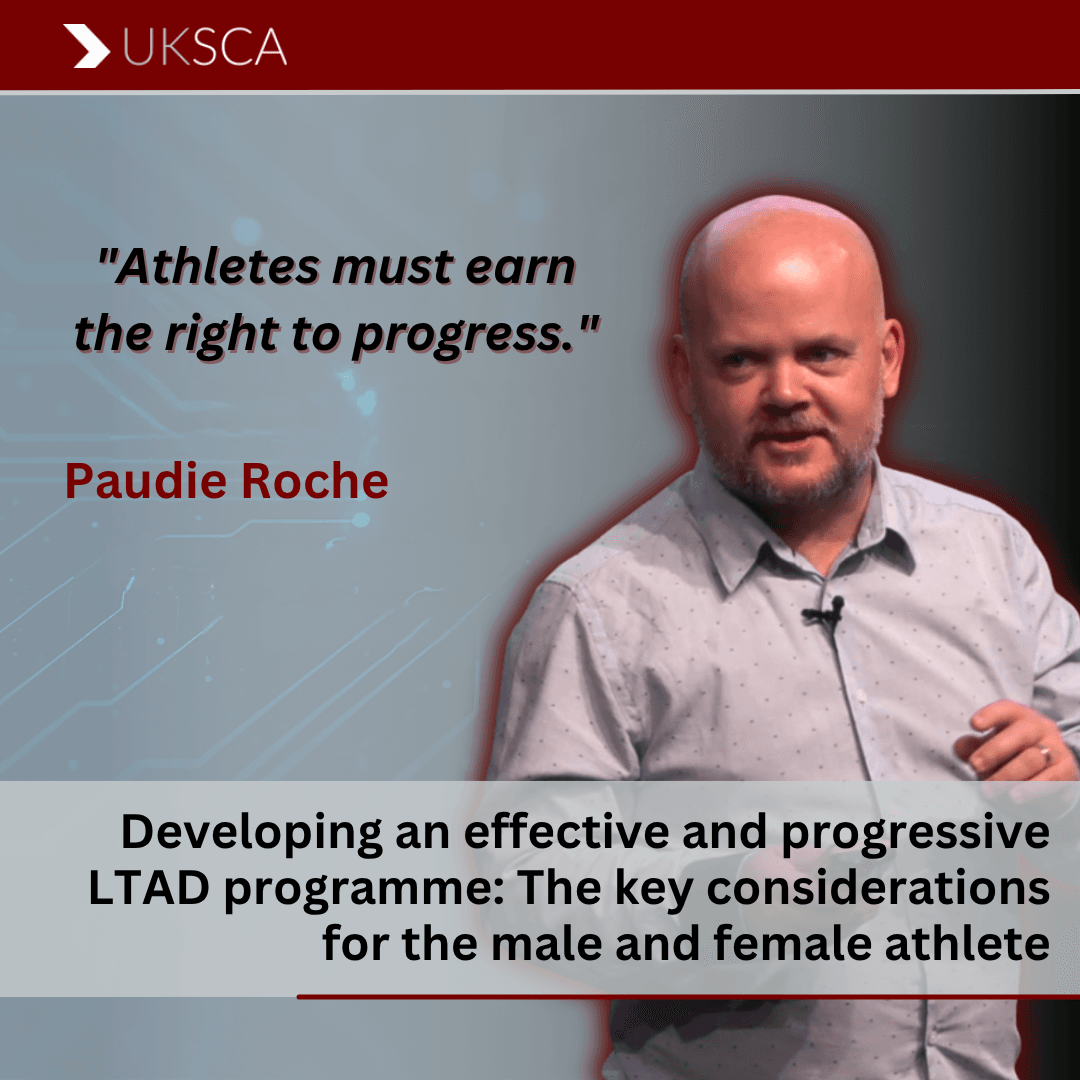
Developing an effective and progressive LTAD programme: The key considerations for the male and female athlete
Paudie Roche
Paudie Roche shares LTAD insights on athlete development, coaching philosophy, and performance pathways for strength & conditioning professionals.

Profile img
VIDEO
Technology, Data and the Coaching Craft — Finding the Sweet Spot
Andy Boyd leads a UKSCA panel on sports tech, data, and coaching practice for strength and conditioning coaches and sport scientists.