Fuse logo
Logo image

LATEST NEWS


UKSCA working with the R&A to launch exclusive S&C placement at the 2025 AIG Women's Open

07/02/2025

The UKSCA is proud to announce an exciting new collaboration with the R&A, bringing a game-changing opportunity for early-career Strength & Conditioning (S&C) practitioners. This collaboration marks a significant step in our mission to drive diversity within the profession while providing unparalleled access to high-performance sport.

The S&C Assistant Placement is specifically designed to support the development of young female practitioners, offering one outstanding candidate the chance to gain hands-on experience at one of the UK’s most prestigious sporting events. This initiative blends professional development, elite-level exposure, and mentorship from UKSCA Accredited S&C Coaches (ASCC) to empower the next generation of female S&C leaders.

The Opportunity
For young females looking to break into elite sport, this eight-day placement at the Royal Porthcawl Golf Club (26 July – 3 August 2025) is an extraordinary chance to work within a world-class performance environment. The successful candidate will join a multidisciplinary support team, helping professional golfers optimise their performance and recovery during the tournament. Under the guidance of the Head of S&C, they will develop key skills while ensuring the smooth operation of gym and recovery facilities.

The placement includes a six-month UKSCA mentorship programme, whereby the selected practitioner will receive industry advice, networking opportunities, and expert career guidance tailored to help young practitioner thrive in the field.

Why This Matters?
At the UKSCA, we are committed to increasing female representation in Strength & Conditioning. Females remain underrepresented in elite sport, and by collaborating with the R&A, we are actively working to change this. This initiative is a vital step in creating pathways for young female practitioners to gain critical experience in high-performance sport.

The UKSCA is working with other influential sporting bodies to create meaningful opportunities for our members. We encourage our community to share this opportunity and help us support the growth of emerging talent within the field and champion the future of women in S&C.

Who Should Apply?
We are looking for a female practitioner with less than three years’ experience in S&C, accredited as either a UKSCA S&C Trainer or UKSCA S&C Coach. This opportunity is ideal for someone eager to gain hands-on experience in an elite sports setting, with the ability to work under pressure and collaborate with multidisciplinary teams. The role offers a living wage salary, official tournament kit, meals, and support for travel and accommodation.

How to Apply
If you’re passionate about sports performance and eager to be part of this prestigious event, we want to hear from you!

Send your CV and cover letter (outlining your motivation and relevant experience) to helen@uksca.org.uk by 5pm on Monday 3 March 2025. If shortlisted, interviews will take place via Zoom on 26 March 2025.

This is more than just a placement—it’s a chance to elevate your career, work alongside the best in the industry, and make a lasting impact in elite sport.
Be part of the action. Elevate performance. Make your mark at the top tier of golf.


Related Topics


Additional resources

Profile img
ARTICLE
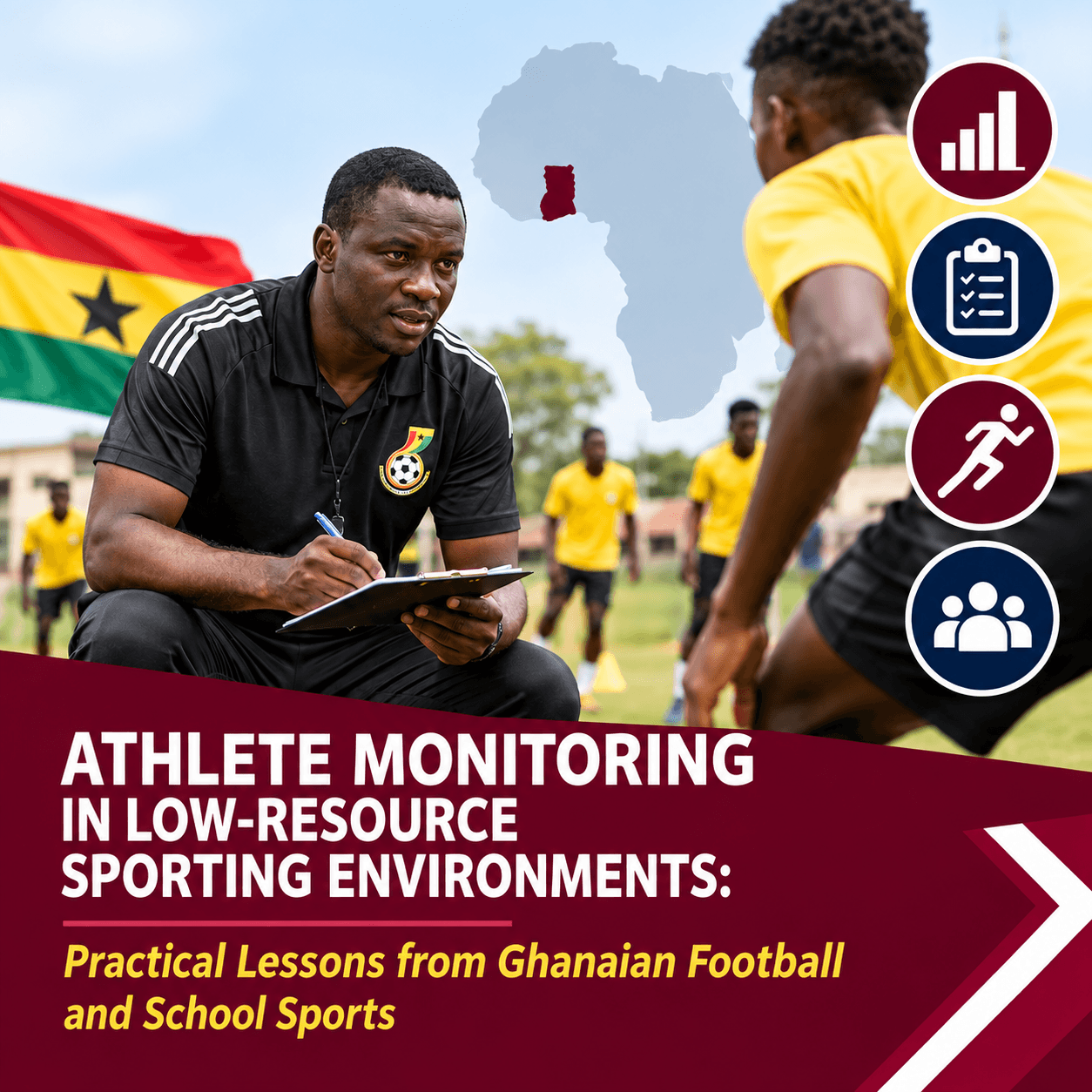
Athlete Monitoring Practices in Low-Resource Sporting Environments: Evidence from Ghanaian Football and School Sports
Athlete monitoring in low-resource sporting environments, exploring practical, sustainable methods used in Ghanaian football and school sports.

Profile img
ARTICLE
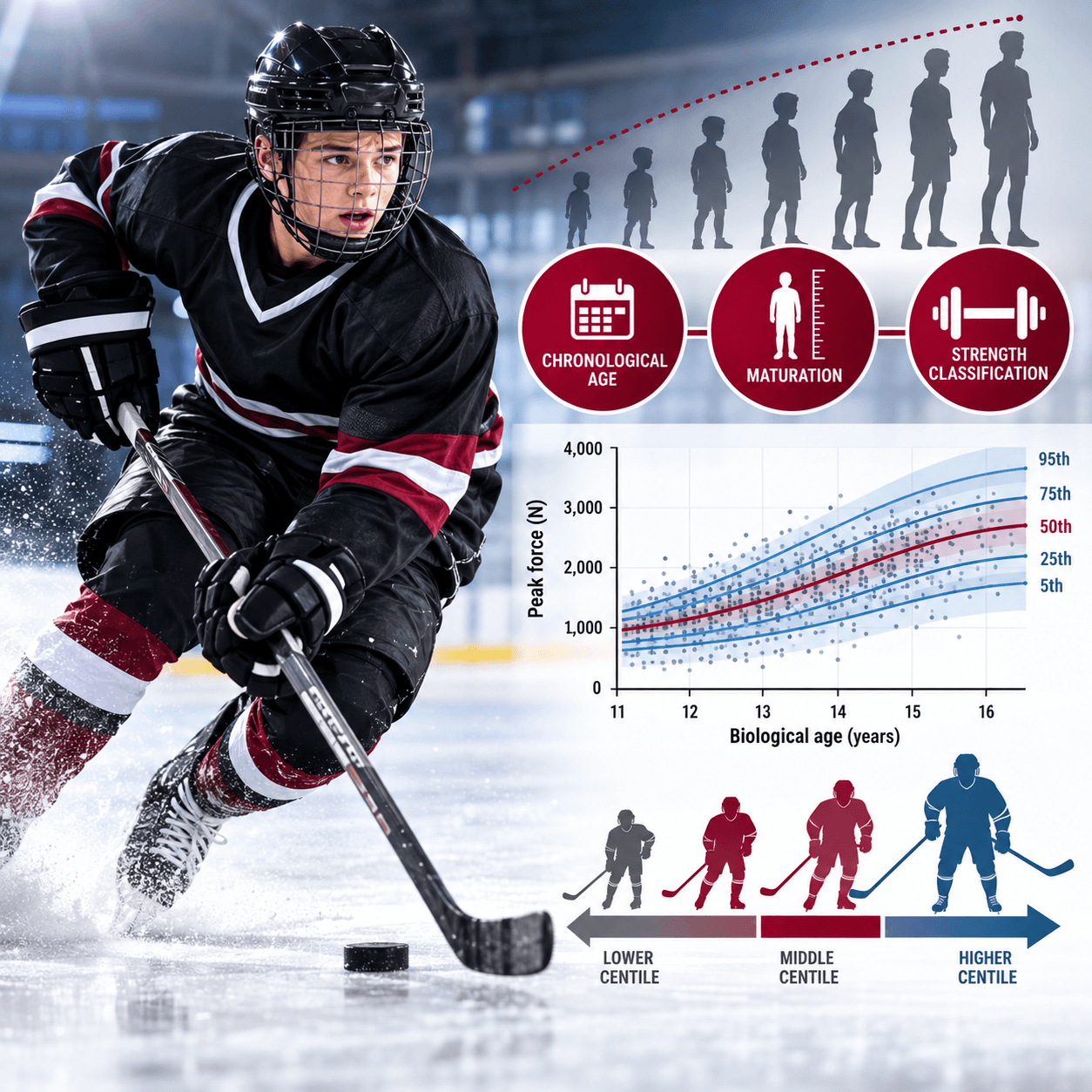
Maturity-aware reference profiling of strength in competitive UK youth male ice hockey: athlete reclassification using chronological-age and biological-age centiles.
Examines how biological maturation and body size influence strength classification in UK youth ice hockey players, highlighting maturation-sensitive centiles and allometric scaling.

Profile img
ARTICLE
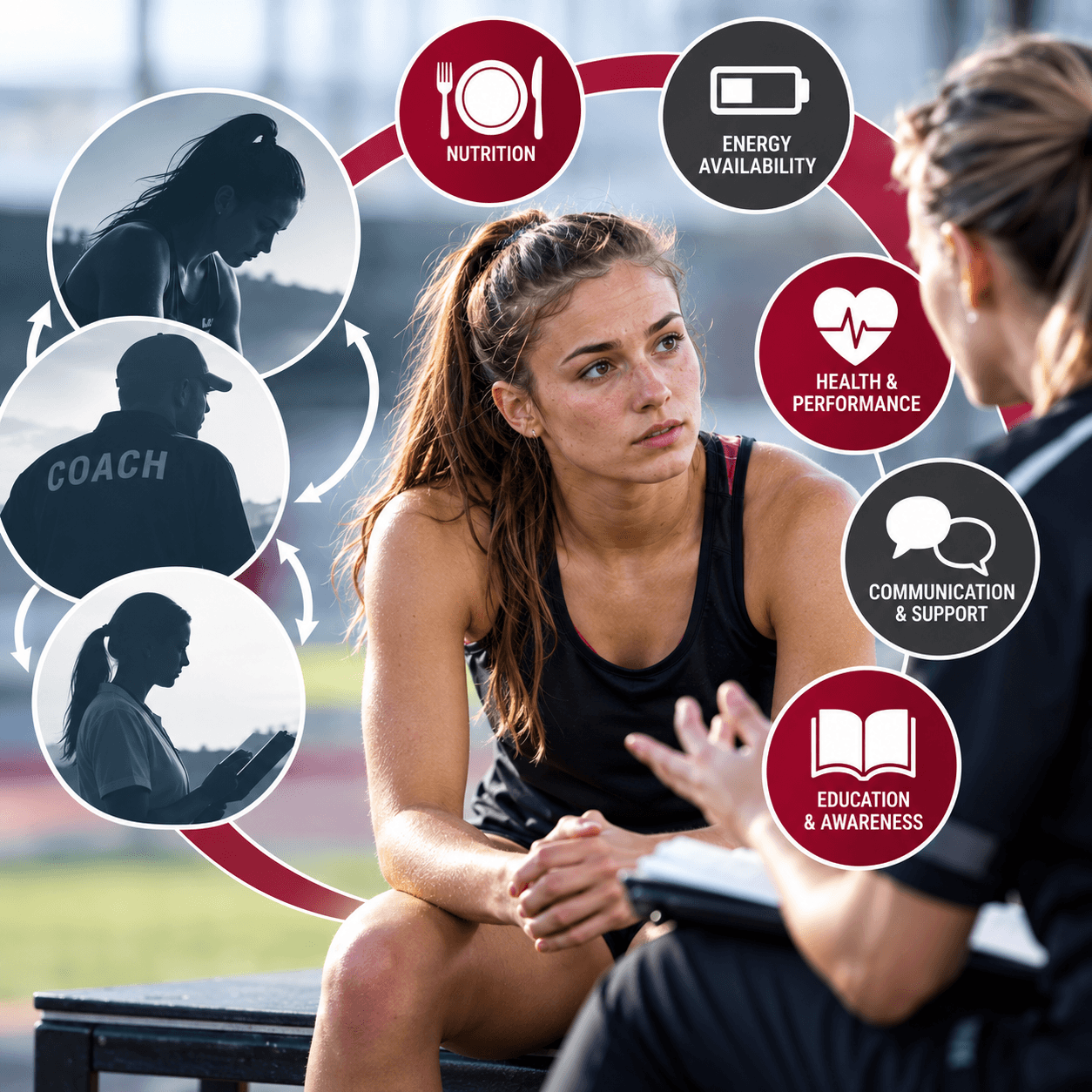
Experiences of Relative Energy Deficiency in Sport (REDs) are Complex and Multifaceted, with Expectations and Perceptions Shaped by Individual Perspectives
Explores athlete, coach and support staff perspectives on Relative Energy Deficiency in sport (REDs), highlighting education, individualised care and the coach–athlete relationship.

Profile img
ARTICLE
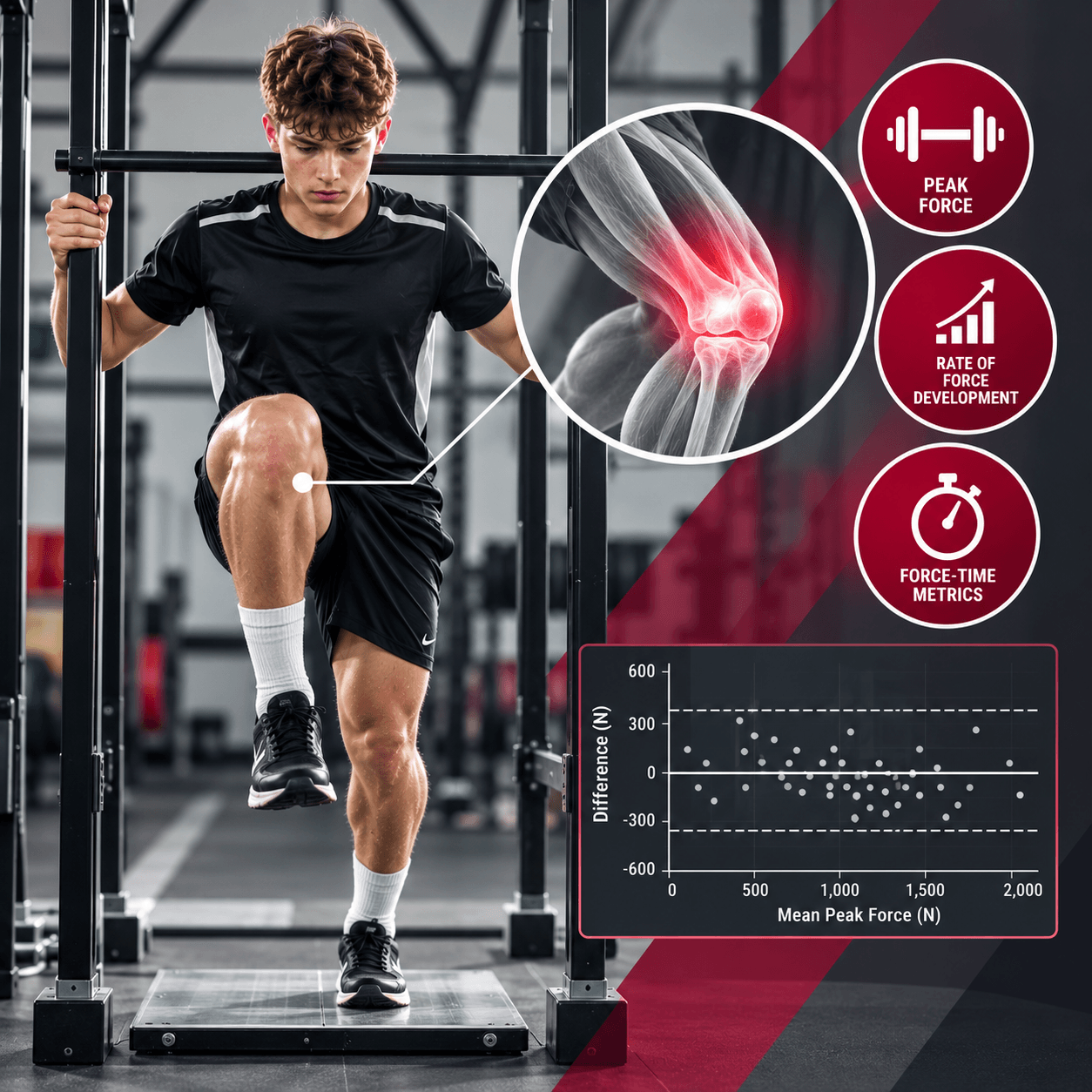
The Run-Specific Knee Isometric-Push Assessment: A Measurement Reliability Study in Adolescent Athletes.
Examines the measurement reliability of the run-specific knee isometric-push assessment for profiling force-time performance and injury-related asymmetries in adolescent athletes.

Profile img
ARTICLE
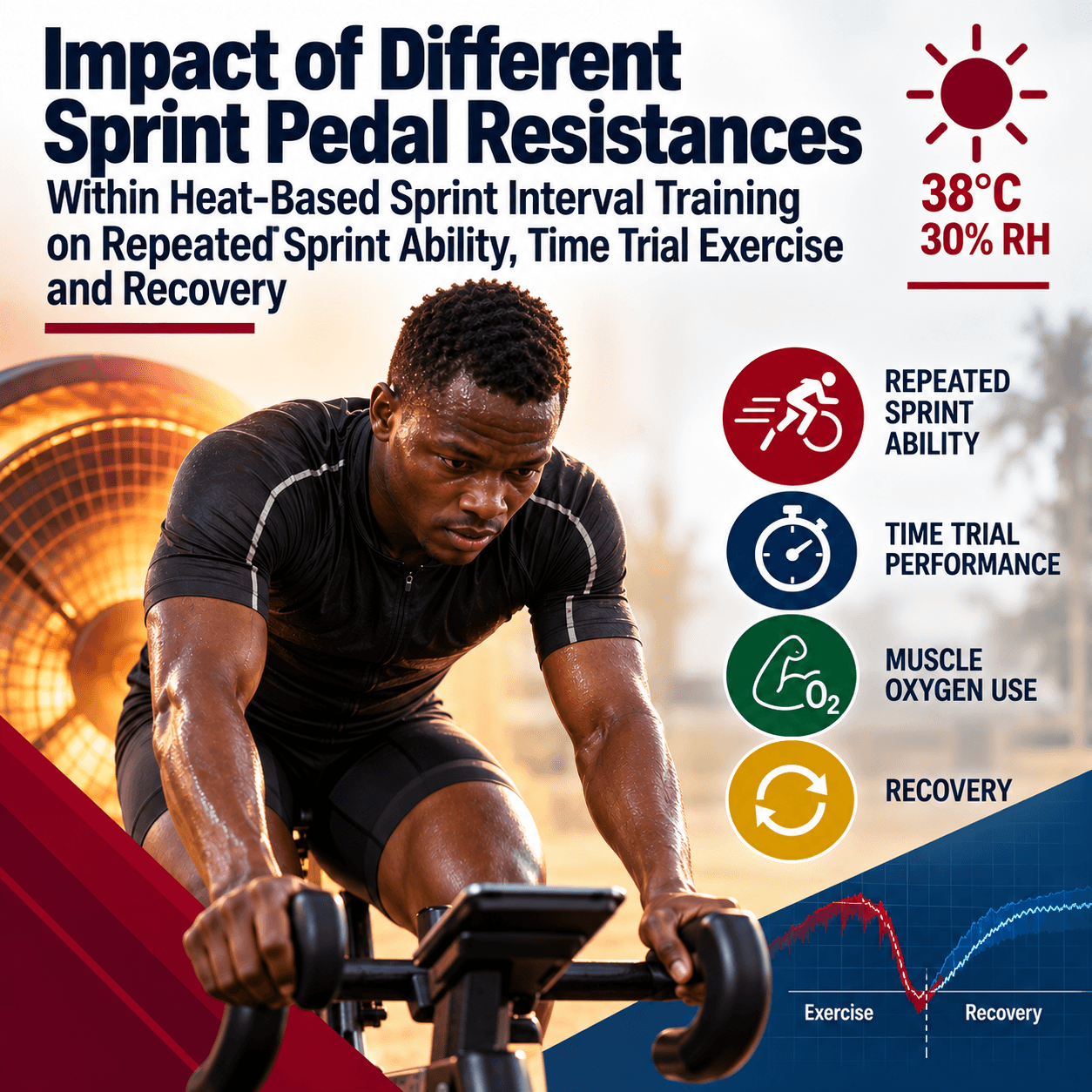
Impact of Different Sprint Pedal Resistances Within Heat-Based Sprint Interval Training on Repeated Sprint Ability, Time Trial Exercise and Recovery
Examining how different sprint pedal resistances during heat-based sprint interval training affect repeated sprint ability, cycling performance, muscle oxygen use and recovery.

Profile img
ARTICLE
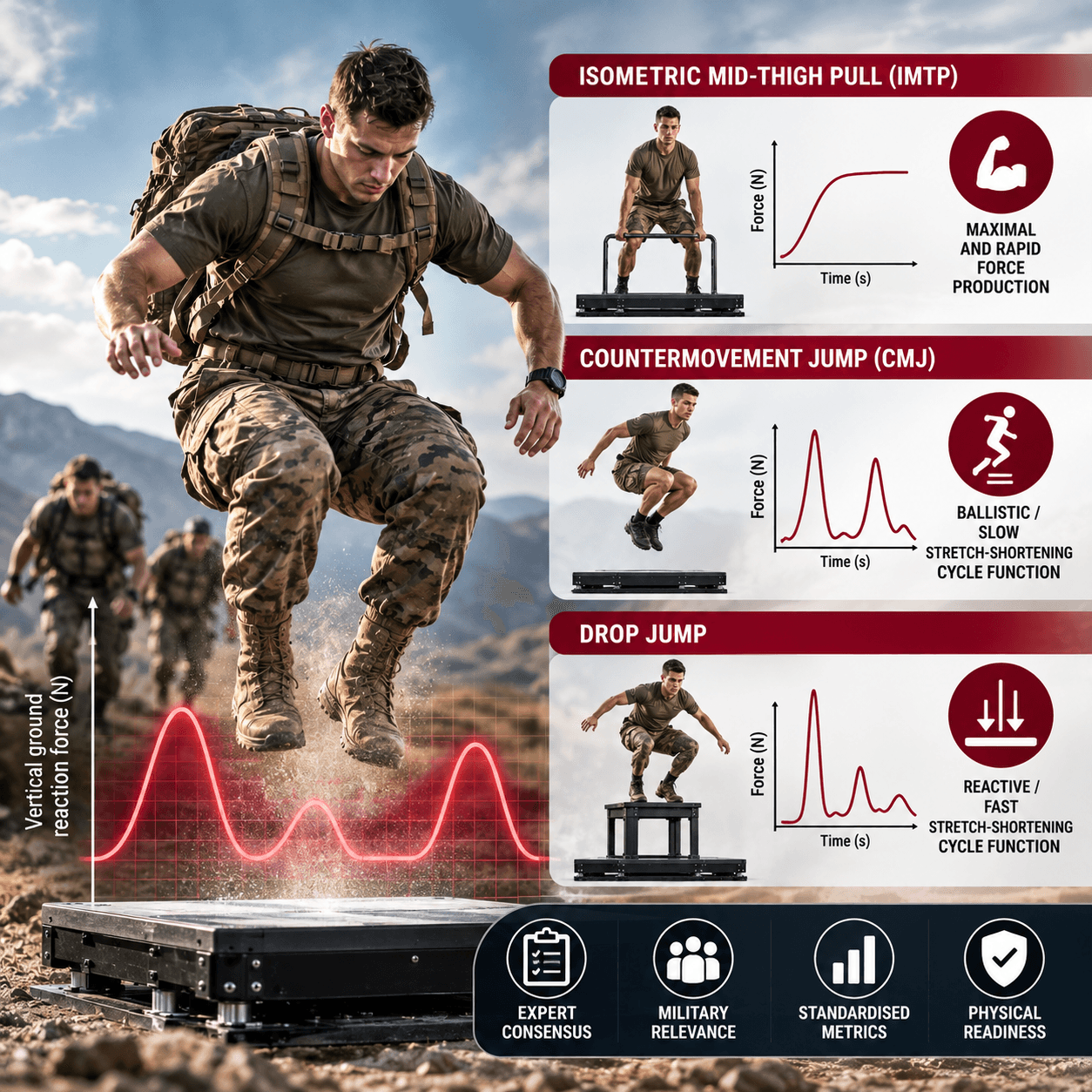
Force Plate Assessment Before Arduous Military Training: Expert-Informed Recommendations for Test and Metric Selection
Presents expert-informed recommendations for force plate testing before arduous military training, identifying IMTP, countermovement jump and drop jump measures for neuromuscular profiling and physical-readiness assessment.

Profile img
ARTICLE
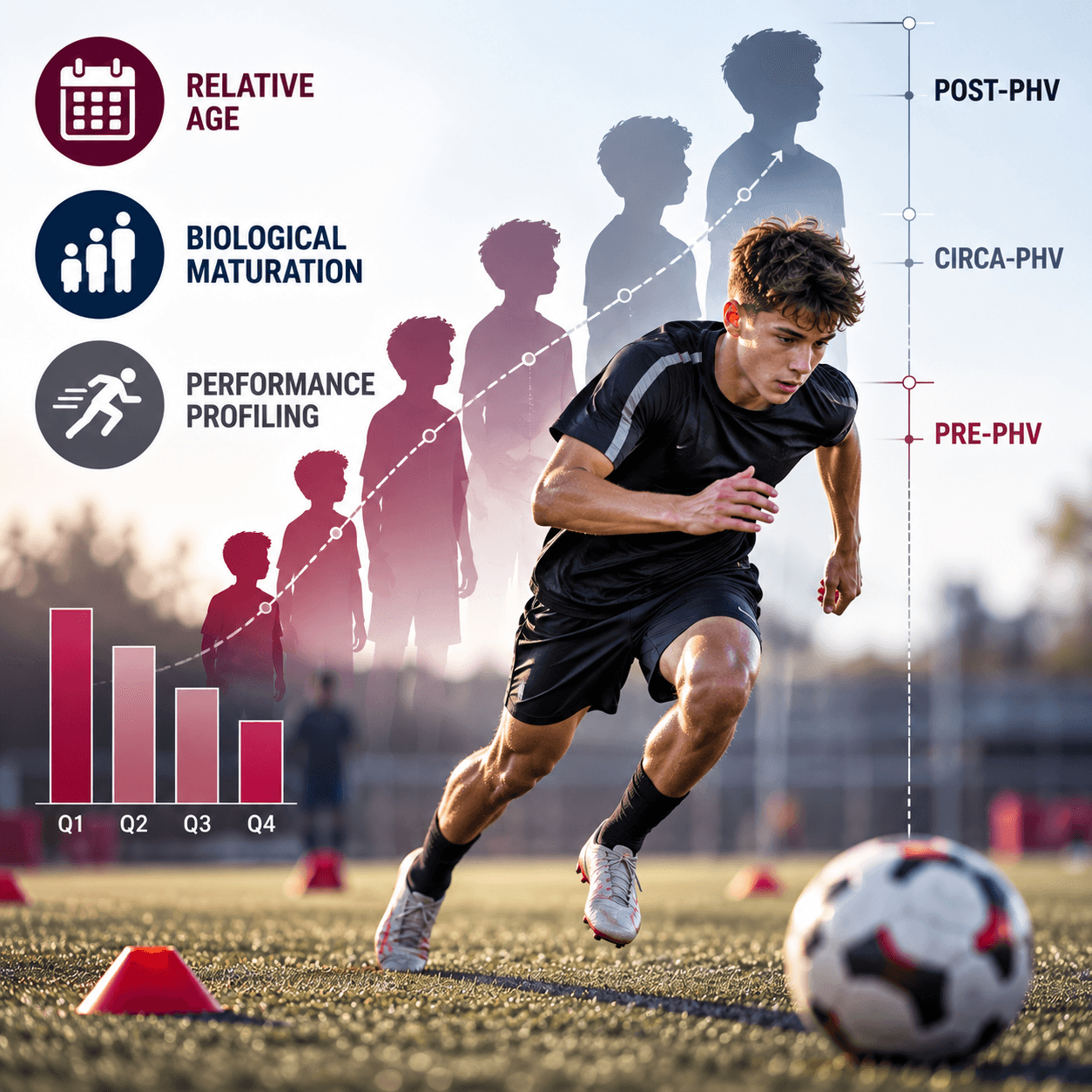
Does Relative Age and Biological Maturation Affect Performance Profiling Outcomes in Youth Football?
Explores how relative age and biological maturation influence performance profiling in youth football, highlighting implications for talent identification and player development.

Profile img
ARTICLE
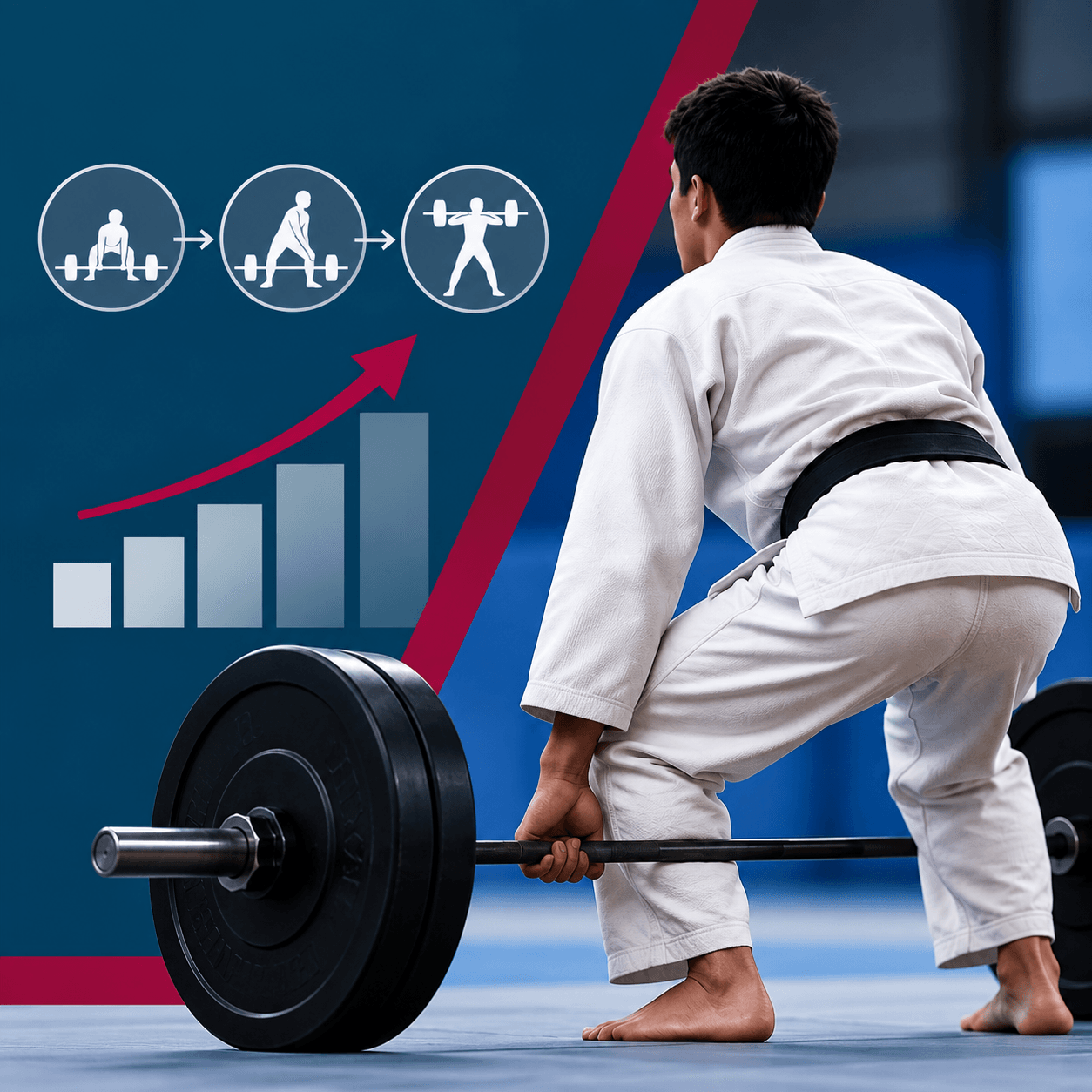
Technical Exercise Proficiency as a Programme Foundation for the Development of Judo Specific Muscular Strength: A Case Study in S&C Novice Club Judokas
Explore how technical exercise proficiency and power clean progression influence judo-specific muscular strength development in novice judokas.

Profile img
ARTICLE
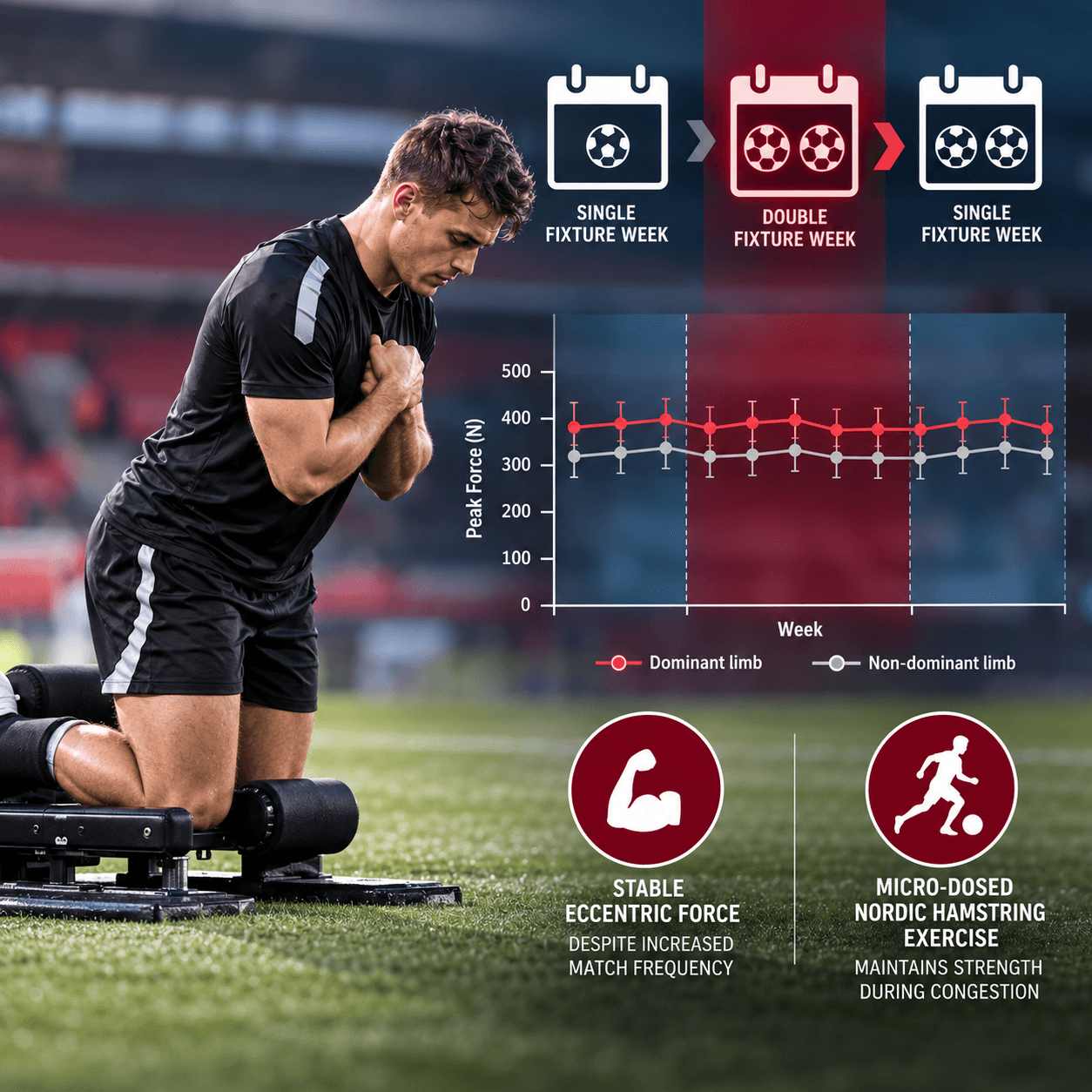
Longitudinal monitoring of eccentric hamstring strength during fixture congestion in professional football: No changes in force despite increased match frequency
Examines eccentric hamstring strength during fixture congestion in professional football, showing stable force despite increased match frequency and supporting micro-dosed Nordic hamstring exercise.

Profile img
ARTICLE
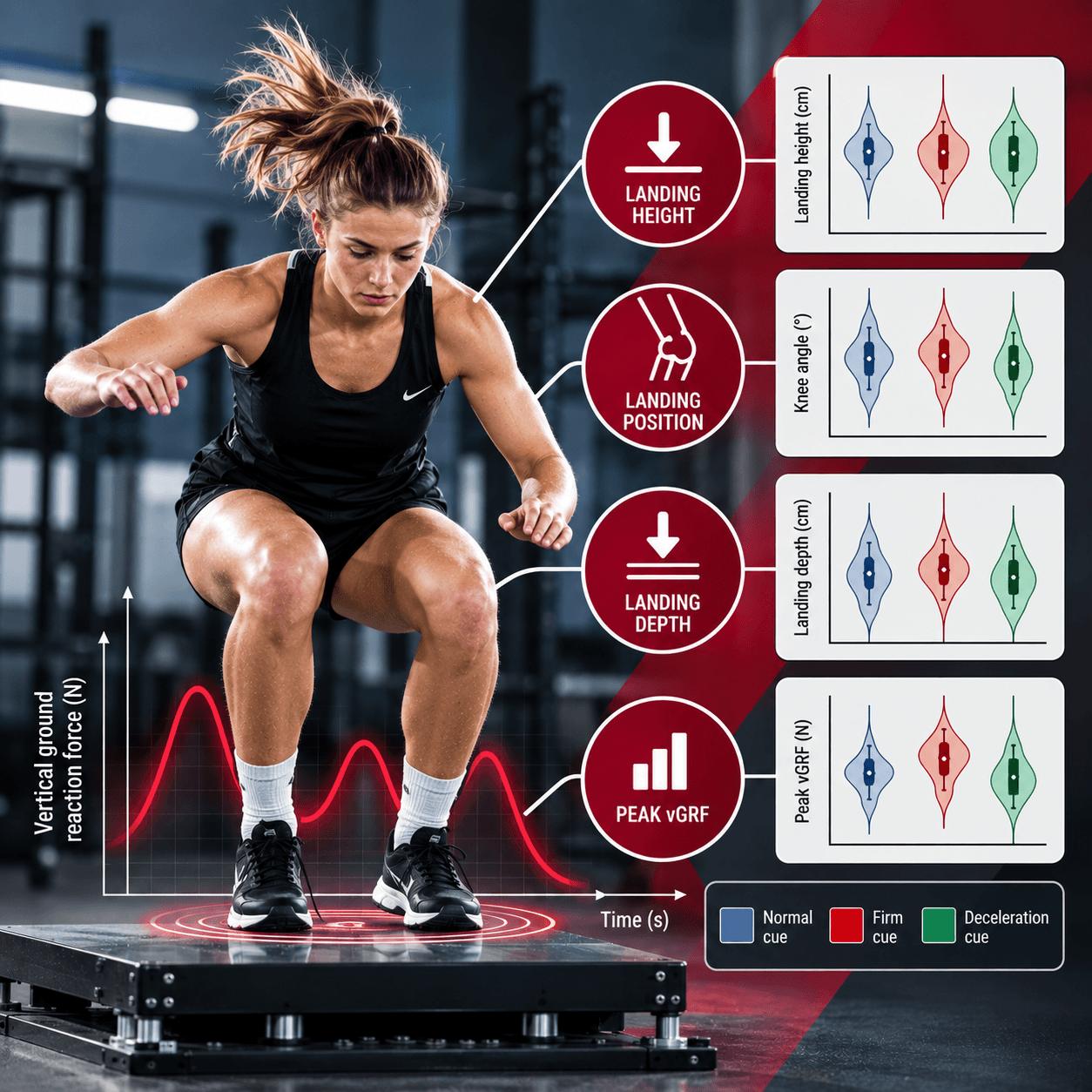
Cueing the Landing: Effects on Landing Mechanics and Reliability in University Athletes
Examines how verbal cueing influences landing mechanics and measurement reliability, including landing height, position, depth and peak vertical ground reaction force.

Profile img
ARTICLE
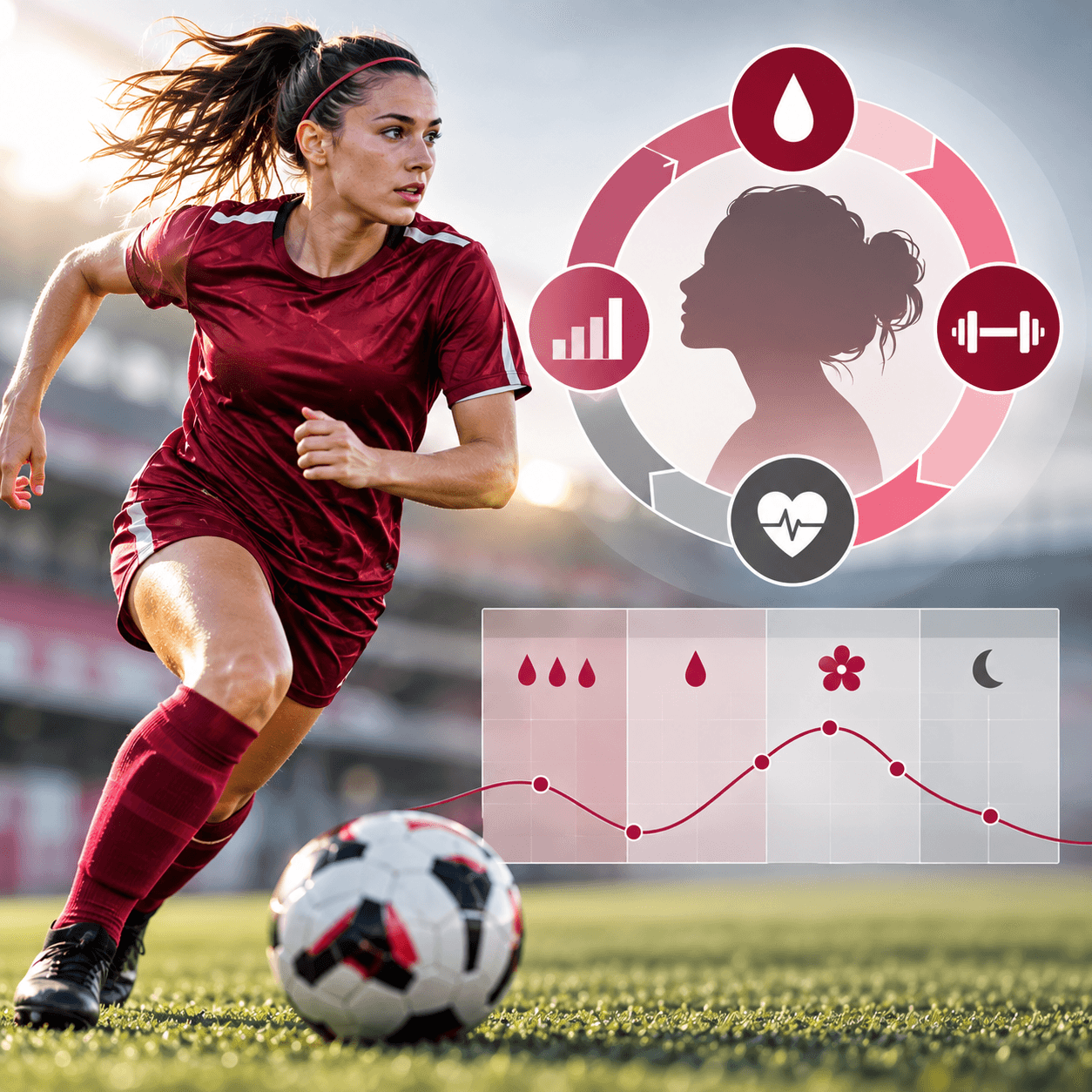
Adapting Training Load Based on the Menstrual Cycle in Women’s Football: Player Perception, Preferences, Barriers and Experiences
Explores female footballers’ perceptions, preferences and barriers around menstrual cycle tracking, with practical recommendations for adapting training load and improving athlete buy-in.

Profile img
ARTICLE
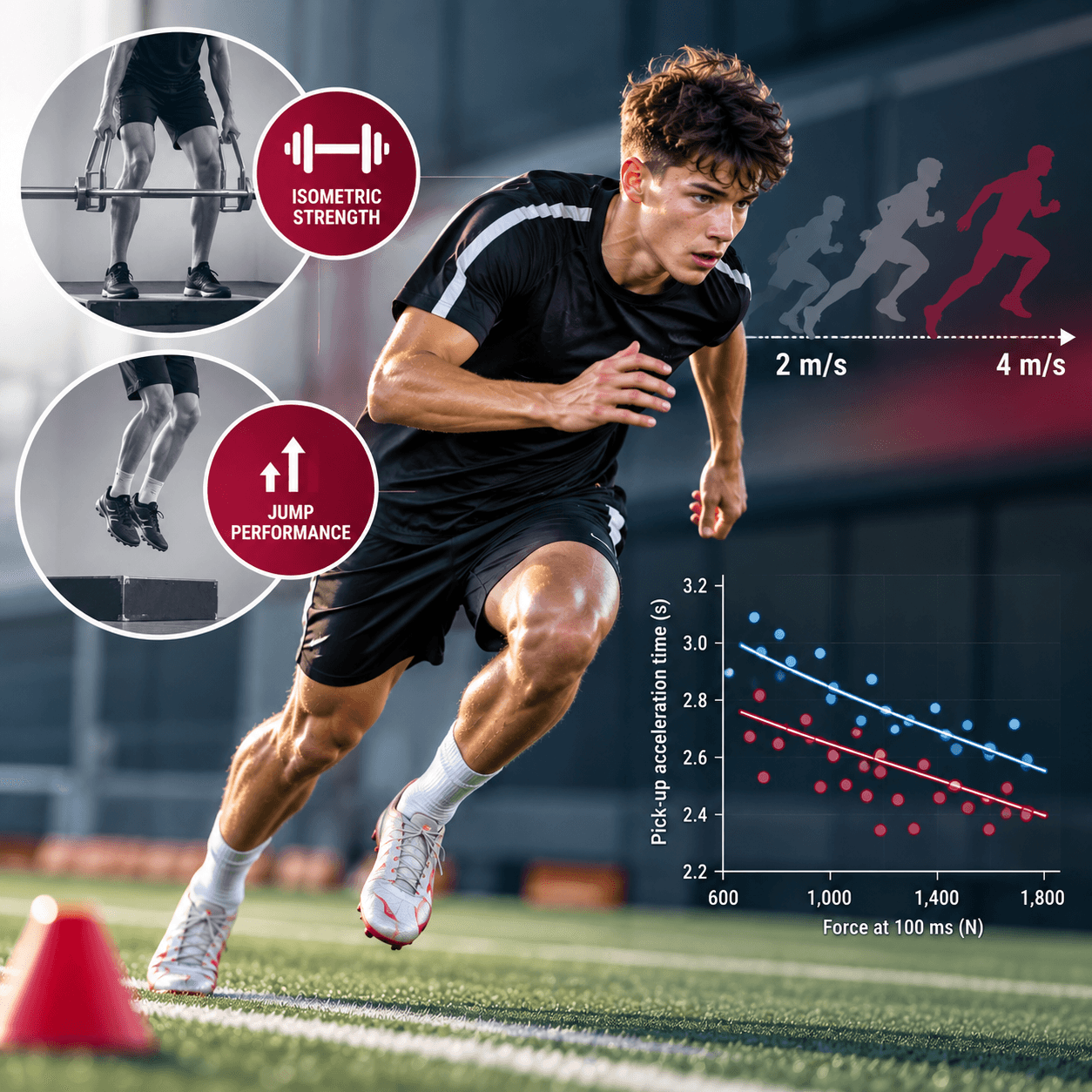
Relationships between Pick-up Acceleration, Isometric and Jump Force-Time Variables in Youth Football Players
Examines relationships between pick-up acceleration, isometric strength and jump performance in youth football, highlighting early-phase force development as a key predictor of acceleration performance.

Profile img
ARTICLE
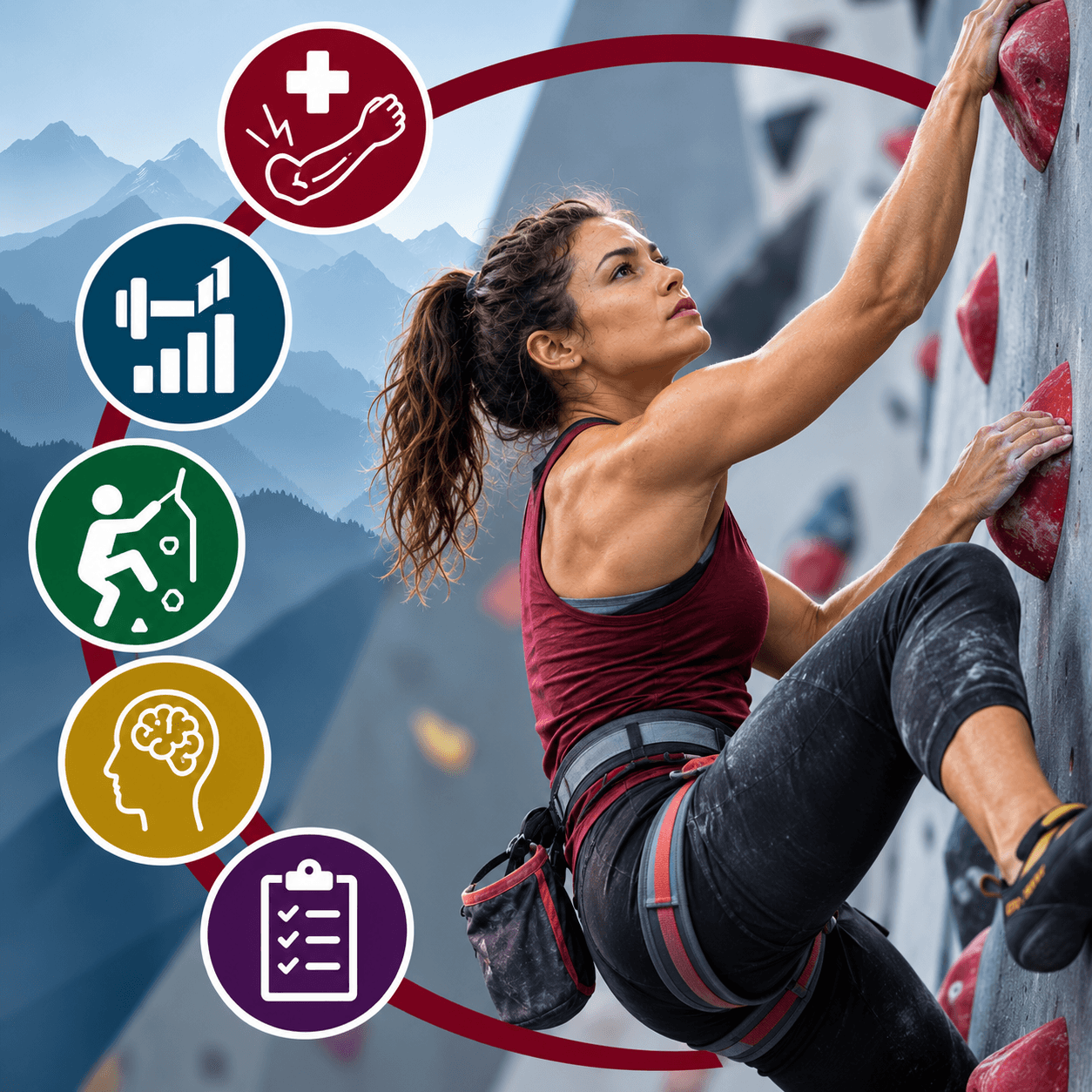
Development of an International Expert Consensus Framework for Criteria-Based Rehabilitation and Return to Performance Following Climbing injury
Presents an international expert consensus framework for criteria-based rehabilitation and return to performance following climbing injury, integrating physical capacity, climbing exposure and psychological readiness. Ehiogu

Profile img
ARTICLE
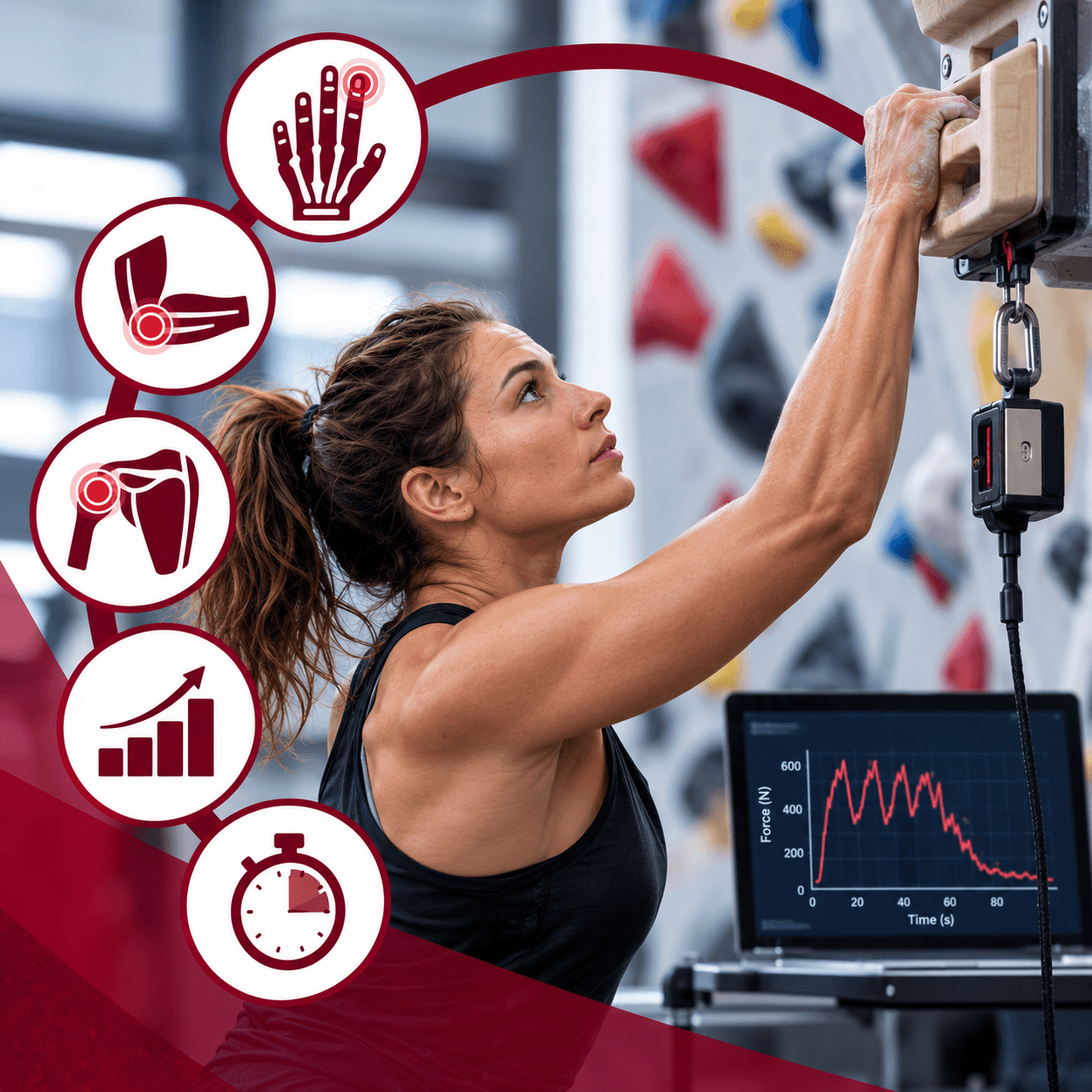
Reliability and Measurement Error of a Climbing-Specific Upper Extremity Testing Battery for Sports Rehabilitation and Performance Monitoring
Examines the reliability and measurement error of a climbing-specific upper-extremity testing battery for monitoring finger and shoulder strength and endurance during rehabilitation.

Profile img
ARTICLE
Return to climbing after musculoskeletal injury: A scoping review of rehabilitation content, outcome measures and return to sport criteria.
Reviews rehabilitation, outcome measures and return-to-climbing criteria following musculoskeletal injury, highlighting gaps in objective progression and return-to-performance guidance.