The multiple-choice assessment contains 50 questions and candidates have 45 minutes to complete it. If you have a learning disability that entitles you to more support, for example extra time or a reader, please contact the office as soon as possible and we can make the appropriate provisions.
A full, 50 question sample test paper is available to BUY NOW for £15.
The pass mark for the exam in 65% and the questions are designed to test your underpinning knowledge as well as application of the theory of strength and conditioning.
The questions on each paper are pulled from a bank of questions in ratios that correspond to the sections of the competency document as follows:
| Section | Qs per exam | Section Name |
| A1.1 | 3 | Identify metabolic demands |
| A1.2 | 4 | Cardio-vascular and respiratory system and its responses to different training stimuli |
| A1.3 | 7 | Neuro-muscular responses to training stimuli |
| A1.4 | 4 | Skeletal structure responses to training stimuli |
| A1.5 | 4 | Influence of the environment upon training and performance response |
| A2.1 | 4 | Kinesiological analysis of joint involvement and action within specific movements |
| A2.2 | 3 | Analysis of muscular involvement and actions within specific movements |
| A2.3 | 5 | Proprioceptive and neural control mechanisms |
| A3.1 | 7 | Knowledge of planning variables |
| A3.2 | 5 | Knowledge of valid and reliable testing and monitoring procedures |
| B2.2 | 1 | Coaching and/or technical knowledge of following techniques (applied in a sport specific manner); Weight lifting - Bench press and Bent-over row |
| B2.3 | 2 | Coaching and/or technical knowledge of the following techniques (applied in a sport specific manner); Aerobic and anaerobic endurance; Flexibility |
| C3.3 | 1 | Confidentiality of data elicited in relation to athlete(s) and their athletic performance (in accordance with current data protection legislation). |
Full, 50 question sample test papers available to buy from the UKSCA Shop, but the following examples provide a guide to the depth of knowledge required.
A. A higher percentage of maximal oxygen uptake but at the same velocity
B. A lower percentage of maximal oxygen uptake and at a lower velocity
C. The same percentage of maximal oxygen uptake but at a higher velocity
D. A higher percentage of maximal oxygen uptake and at a higher velocity
Answer D
2. With increasing rates of work, the arterial-mixed venous oxygen difference will respond in which of the following ways?
A. Increased arterial content and reduced mixed venous oxygen content
B. No change in arterial content and reduced mixed venous oxygen content
C. Decreased arterial oxygen content and increased mixed venous oxygen content
D. Decreased arterial oxygen content and no change in mixed venous oxygen content
ANSWER D
3. A posterior tilt of the pelvis requires the sacrum to;
A. Move laterally
B. Move downward
C. Rotate
D. Move upward
ANSWER B
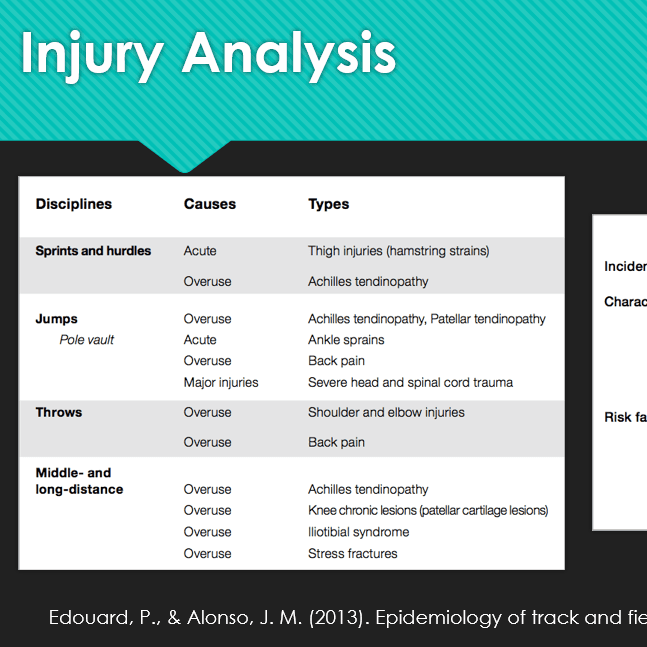
4. Which of these is the key action of the hamstring muscle during the late swing phase of the sprint action?
A. An eccentric action decelerating the swing leg
B. A concentric action decelerating the swing leg
C. An eccentric action accelerating the swing leg
D. A concentric action accelerating the swing leg
ANSWER A
5. An elite rugby winger is administered the following speed tests. Which of the following areas are a cause of concern?
10 m sprint - 2.00 sec
40 m sprint - 4.95 sec
Flying 40 m sprint - 4.45 sec
A. Initial acceleration
B. Transition acceleration
C. Maximum speed
D. All aspects are well above average
ANSWER A