Most, if not all people, will have some notion of grassroots sport. However, these notions are often disparate, ranging from an obvious emphasis on youth sports, through to informal participation as a ‘weekend warrior’ in their favourite sport. Therefore, it is important to more clearly define grassroots sports so that opportunities within the field of strength and conditioning (S&C) and its wider potential to positively impact diverse populations, can be more fully explored.
Sports, at a fundamental level, should be inclusive, participatory and linked to civil society.9 Underpinning these notions, grassroots sport broadly represents non-professional, community-based participation in sports and physical activity. Other terms include: ‘sport for all’ and ‘community and school sport’.10 Given its reliance on community engagement (and therefore volunteers), grassroots sport provides an important context for the development of social networks, trust and civic participation. With this in mind, its role in the creation of social capital has been a key focus at government level.1, 10 Indeed, in the UK, the Department for Culture, Media and Sport, provides funding to Sport England who, in turn, invests over £250 million per year to raise levels of participation across a range of sports and physical activities.10 Moreover, in 2025, the government pledged at least £400 million to be invested in new and upgraded facilities across the country. Accordingly, grassroots sport is an area of strategic investment and societal significance, which can be regarded as the vital intersection of public health, community development and sporting opportunities.
The standard model of sports development is typically regarded as a pyramid (Figure 1).3 At the base of the pyramid, grassroots sport is essential to national governing bodies and sports organisations, representing the largest recruitment arena for talent pathway and serving to identify and support the progression of athletes who display potential talent towards higher levels of performance.25 In addition, grassroots sport also provides a significant source of income through membership and affiliation fees. For example, in their annual report, England Netball reported an income revenue of £2.7 million in 2024 from grassroots sport alone.5 Such income helps fund key organisational activities such as governance, safeguarding, competitions, officiating and insurance. Consequently, grassroots sport is fundamental to both talent development and organisational sustainability.
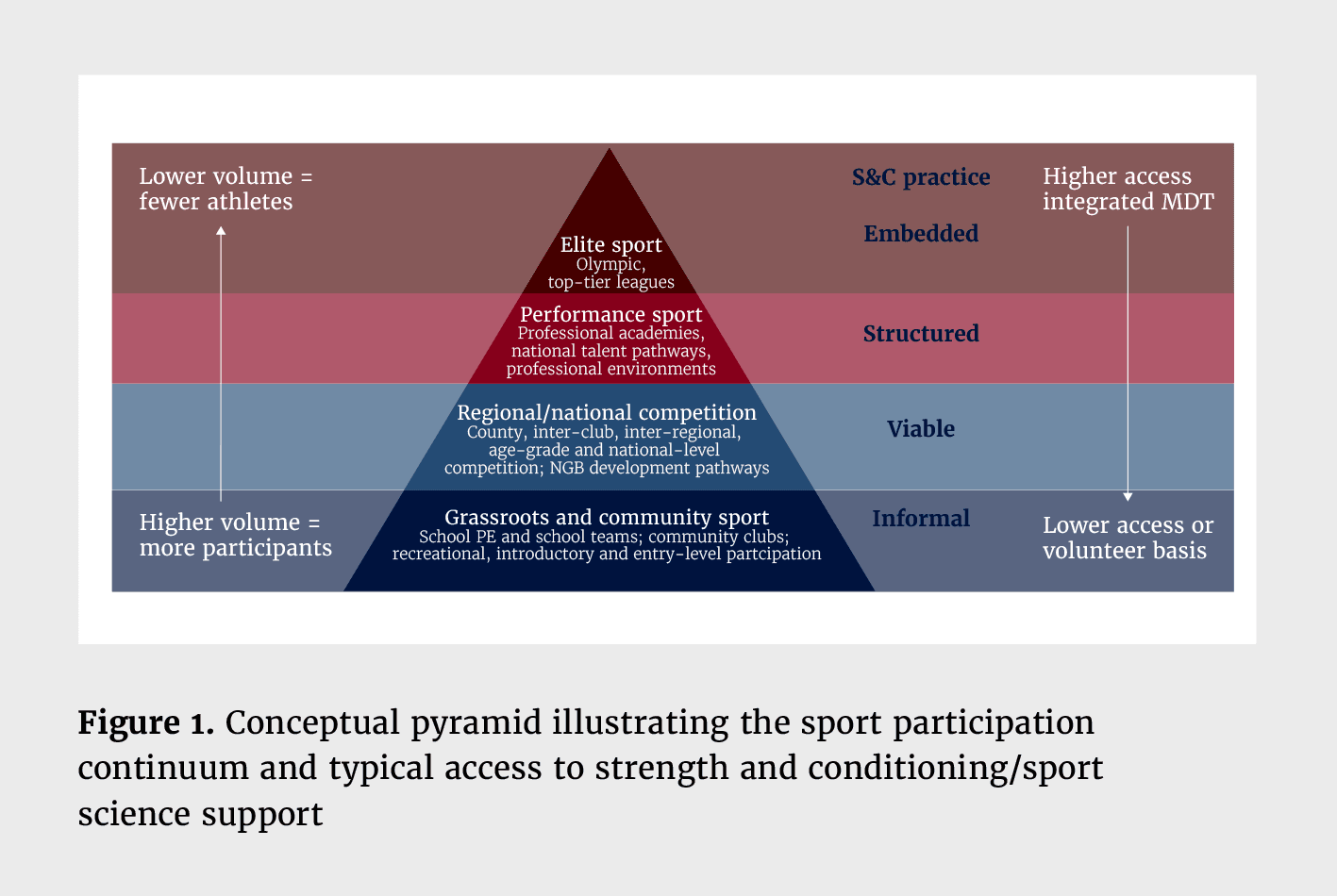
At the base of the pyramid, grassroots sport is essential to national governing bodies and sports organisations, providing the primary recruitment pool for talent pathways and enabling the identification and development of athletes with the potential to progress to higher levels of performance. Again, using netball as an example, in their 2023-2024 annual report, the national governing body reported over 19,000 new participants to the sport through its grassroots programmes, which included ~19% from lower socio-economic groups and 12% from ethnically diverse populations.5 In the more recent 2024-25 report,6 it reported over 800,000 adults and children playing weekly across its 3000 + registered clubs. In football, the FA have projected 15,000 more grassroots teams by 2028, with specific targets relating to their disability pathway and club and community opportunities for girls.7
Despite the scale, reach and societal value of grassroots sport, the role of S&C within grassroots contexts remains comparatively underexplored. Therefore, the purpose of this article is to consider how S&C can be embedded within grassroots sport to support participation, reduce injury risk and enhance long-term developmental outcomes. As a secondary aim and recognising the under-explored intersection between S&C and grassroots sport, this brief commentary serves as a call to action, for those looking to expand their reach, influence and work in this area.
Although the expansion of participation opportunities in grassroots sports is entirely positive, community sport settings must also acknowledge the need for appropriate physical preparation and concomitant injury prevention strategies, including safe progression of training loads and the long-term development of movement competence across varied participant groups. This is important, not only from a participant welfare perspective, but also because sport-related injuries can create wider societal costs through healthcare use, rehabilitation demands, sickness absence and reduced work productivity – particularly among working-age participants.14, 18,26 Of pertinence, evidence indicates that injury prevention interventions can be cost-effective when successfully implemented in sport settings.11 For example, accessible injury prevention programmes such as the FIFA 11+, when implemented as part of structured warm-up protocols, have been shown to be effective in the reducing risk factors for injury, particularly in youth populations.17, 24 However, at an organisational level, lack of awareness and knowledge of these benefits remains a barrier to their wider implementation;15 therefore, the absence of injury prevention strategies in grassroots sport still persists today.4, 23 Accordingly and in line with this narrative, despite the positive contribution of grassroots sports to individuals, communities and wider society, there remains a lack of necessary resources and guidance to support health and sustainable participation.
A practical step towards improving injury prevention in grassroots sport is structured and sustained engagement with S&C practitioners, who can translate evidence into accessible, scalable approaches. This includes supporting coaches, educating volunteers and helping to ensure that exercises are delivered consistently and correctly, as programme fidelity, appropriate progression and practitioner/coach education are central to maximising the benefits of injury prevention strategies.12, 15 In this way, qualified and experienced practitioners can help make injury prevention programmes accessible to all participants while improving the quality, safety and consistency of their delivery.11, 15
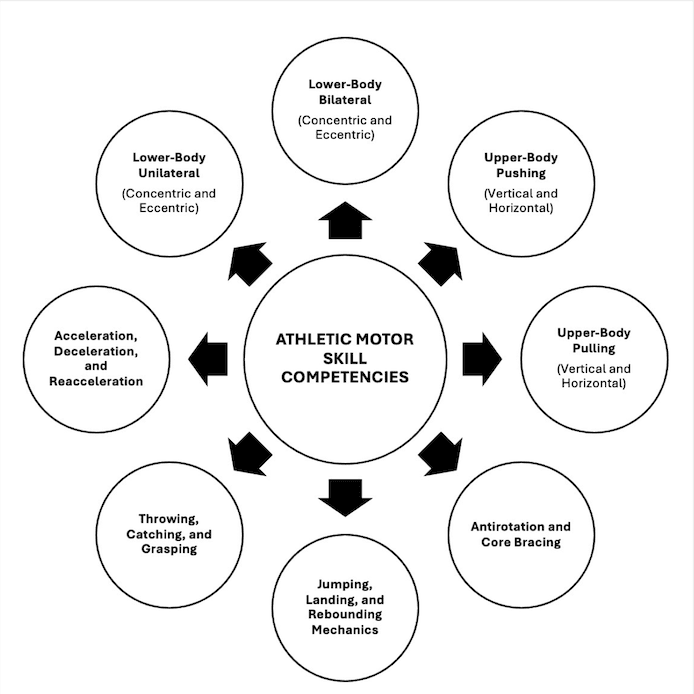
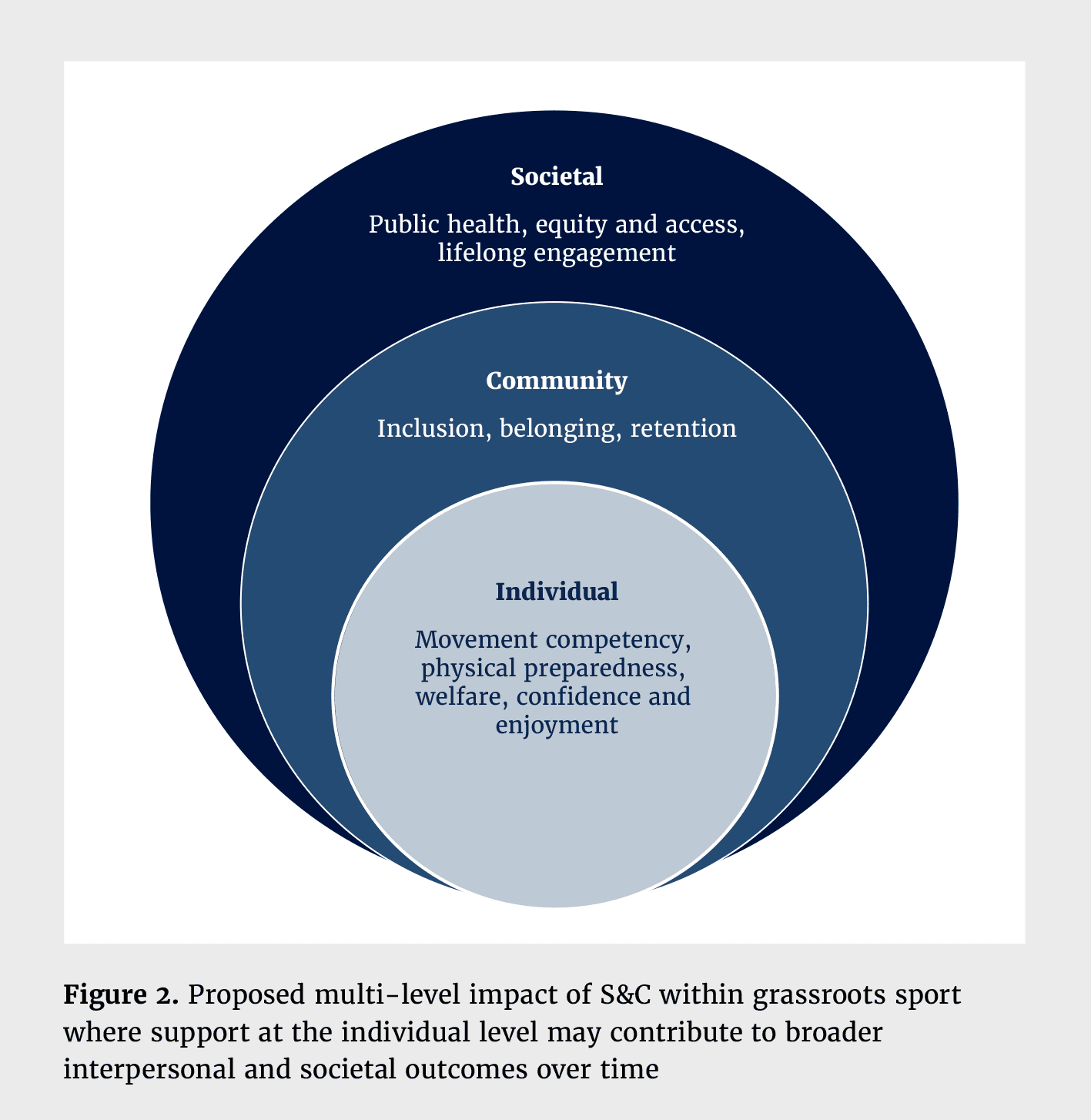
Crucially, grassroots sport extends far beyond youth participation and talent pathways. Central to this broader perspective is the concept of physical literacy – often defined as the motivation, confidence, physical competence, knowledge and understanding required to value and take responsibility for lifelong engagement in physical activity.28 In the context of increasing life expectancy and ageing populations,27 there is growing demand for accessible sport and physical activity opportunities for older adults, such as ‘walking football’ and ‘walking cricket’.16, 19, 20 These environments emphasise continued participation, social engagement and the maintenance of functional physical capabilities that support independence and quality of life.16 Nevertheless, despite these benefits, these modified activities and sports still carry an injury risk, including musculoskeletal injuries and injuries resulting from falls.19 Therefore S&C practitioners are well positioned to contribute to the development of strength, balance and movement competency, with obvious links to healthy ageing and fall prevention.2, 21 Grassroots sport represents a key setting for applied S&C practice across the lifespan, not solely within junior or performance-focused populations. Thus, the proposed multi-level benefits of S&C within grassroots sport are conceptualised in Figure 2.
Beyond the mitigation of injury risk, alongside physiotherapists, S&C practitioners can also support community-level clubs in the adoption and implementation of structured return-to-play protocols following injury. For example, despite the publication of the UK Concussion Guidelines in 2023, an evaluation of its implementation found notable variation at the national governing body level, which in turn, likely reflected the perceived risk of sustaining a concussion in sport.8 For example, in rugby union, where concussion has quite rightly become a major area of concern in recent years (through their HEADCASE programme), the Rugby Football Union has introduced enhanced education, graduated return-to-play protocols, and stricter regulations around contact exposure.13 However, implementation ultimately occurs within grassroots environments that are often volunteer-led and resource-constrained (e.g., time, specific guidance, lack of support).22 Again, it is S&C practitioners who can bridge the gap between policy and practice within grassroots sport by disseminating knowledge and providing practical applications that can be readily adopted and implemented by coaches, participants and, where applicable, parents / caregivers.
Collectively, grassroots sport presents both a challenge and a major opportunity for the S&C profession. As participation continues to grow and diversify, communities need practitioners who can translate research into realistic, scalable solutions that fit the constraints of volunteer‑led environments. They need coaches and educators who recognise that high‑quality physical preparation is not the preserve of elite sport, but a cornerstone of safe, enjoyable, and sustainable participation for everyone. We therefore issue a call to action. For practitioners, researchers and organisations working across the S&C landscape, now is the time to engage with grassroots sport more intentionally, more creatively and more collaboratively. By sharing practice, generating context‑specific knowledge and elevating the work done within community settings, we can strengthen the foundations of participation across the lifespan. Our aim, through this article and through the journal more broadly, is to support that effort. By providing a platform to showcase practical innovation, context‑driven problem‑solving and applied research, we hope to widen the conversation and empower those working at the true heart of sport.
Grassroots environments are where most people experience physical activity, develop physical literacy and build long‑term habits. S&C has a vital role to play in shaping those experiences. The opportunity is substantial, the need is clear, and the potential impact is profound. The future of our field depends not only on advancing elite performance, but on strengthening the base of the pyramid. Let us commit to supporting the people, places, and practices that make grassroots sport thrive.
We welcome opportunities to collaborate with practitioners, researchers and organisations interested in advancing S&C within grassroots sport. Those interested in developing projects or initiatives in this area are encouraged to contact the authors directly: mark.williams1@aru.ac.uk and JDHughes@cardiffmet.ac.uk.
1. Adams A. Social capital, network governance and the strategic delivery of grassroots sport in England. International Review for the Sociology of Sport 49(5):550-574, 2014.
2. Adams M, Gordt-Oesterwind K, Bongartz M, et al. Effects of Physical Activity Interventions on Strength, Balance and Falls in Middle-Aged Adults: A Systematic Review and Meta-Analysis. Sports Medicine - Open 9(1):61, 2023.
3. Bailey R, Talbot M, eds. Elite Sport and Sport-for-All: Bridging the Two Cultures? Routledge; 2015.
4. De Ste Croix M, Ayala F, Sanchez SH, Lehnert M, Hughes J. Grass-Root Coaches Knowledge, Understanding, Attitude And Confidence to Deliver Injury Prevention Training in Youth Soccer: a Comparison of Coaches in Three EU Countries. Journal of Science in Sport and Exercise 2(4):367-374, 2020.
5. England Netball. England Netball Annual Report 2023-24. 2024.
6. England Netball. England Netball Annual Report 2024-25. 2025.
7. English Football Association. FA Grassroots Strategy 2024-2028. 2024.
8. Exley J, Li K, Williams L, Nolte E. Concussion in Grassroots Sport: An Evaluation of the Implementation of the UK Concussion Guidelines for Non-Elite (Grassroots) Sport. London School of Hygiene & Tropical Medicine; 2025.
9. Garamvölgyi B, Bardocz-Bencsik M, Dóczi T. Mapping the role of grassroots sport in public diplomacy. Sport Soc 25(5):889-907, 2022.
10. Grix J, Widdop P, Brannagan PM. Counting the “capital” cost of the UK’s elite sport funding focus. International Journal of Sport Policy and Politics 17(2):363-374, 2025.
11. Grygorowicz M, Wiernicka M, Wiernicka M. Systematic Review of Cost-Effectiveness of Injury Prevention Interventions in Soccer—Evidence Why Health Agencies Should Address It. International Journal of Environmental Research and Public Health 18(22):11901, 2021.
12. Guilfoyle L, Kenny IC, O’Sullivan K, et al. Coaches of youth field sports as delivery agents of injury prevention programmes: how are we training the trainers? A scoping review. British Journal of Sports Medicine 58(3):144-154, 2024.
13. HEADCASE - Rugby Football Union. www.englandrugby.com. 2024.
14. Kendrick D, Vinogradova Y, Coupland C, Christie N, Lyons RA, Towner EL. Getting back to work after injury: The UK burden of injury multicentre longitudinal study. BMC Public Health 12(1):undefined-undefined, 2012.
15. Lutz D, Van Den Berg C, Räisänen AM, et al. Best practices for the dissemination and implementation of neuromuscular training injury prevention warm-ups in youth team sport: a systematic review. British Journal of Sports Medicine 58(11):615-625, 2024.
16. Paranjape I, Crozier A, Guerin M, Stenner BJ. Walking sports and subjective wellbeing in older adults: a comparative study. Translational Exercise Biomedicine 2(3):178-187, 2025.
17. Paravlic AH, Bakalár P, Puš K, et al. The effectiveness of neuromuscular training warm-up program for injury prevention in adolescent male basketball players. Journal of Sports Science 42(22):2083-2092, 2024.
18. Polinder S, Haagsma J, Panneman M, Scholten A, Brugmans M, Van Beeck E. The economic burden of injury: Health care and productivity costs of injuries in the Netherlands. Accident Analysis & Prevention 93:92-100, 2016.
19. Price AG, James RM, Hough J, Hennis PJ, Ahmed A, Varley I. Benefits and risks of walking football for healthy ageing: a narrative review. BMJ Open Sport & Exercise Medicine 11(2):e002438, 2025.
20. Price AG, Sprouse B, Hennis PJ, et al. Understanding the walking football population: sociodemographic, health, lifestyle, and participation insights from a national tournament cohort. Front Sports Act Living (Published ahead of print).
21. Rodrigues F, Domingos C, Monteiro D, Morouço P. A Review on Aging, Sarcopenia, Falls, and Resistance Training in Community-Dwelling Older Adults. International Journal of Environment Research and Public Health 19(2), 2022.
22. Skudder G, O’Halloran P, McLeod S, Bullock G, Emery CA, West SW. Where’s your head at? Perceptions and utilisation of concussion prevention and rehabilitation strategies in women’s and men’s rugby union. Journal of Science and Medicine in Sport 28(9):712-719, 2025.
23. Solstad BE, Sersland A, Torstveit MK, et al. The Association Between Psychosocial Factors and Reported Injuries Among Youth Grassroot Soccer Players. European Journal of Sport Science 25(6):e12314, 2025.
24. Stergiou M, Calvo AL, Forelli F. Effectiveness of Neuromuscular Training in Preventing Lower Limb Soccer Injuries: A Systematic Review and Meta-Analysis. Journal of Clinical Medicine 14(5), 2025.
25. Strömberg JZ, Fahlén J, Strittmatter AM. Mapping values in sport clubs: towards a conceptual typology for understanding the bettering of grassroots sport governance. European Sport Management Q 1:1-22, 2025.
26. Turnbull MR, Gallo TF, Carter HE, Drew M, Toohey LA, Waddington G. Estimating the cost of sports injuries: A scoping review. Journal of Science and Medicine in Sport 27(5):307-313, 2024.
27. Welsh CE, Matthews FE, Jagger C. Trends in life expectancy and healthy life years at birth and age 65 in the UK, 2008–2016, and other countries of the EU28: An observational cross-sectional study. Lancet Regional Health - Europe 2:100023, 2021.
28. Whitehead ME, Durden-Myers EJ, Pot N. The Value of Fostering Physical Literacy. Journal of Teaching in Physical Education 37(3):252-261, 2018.

Dr Mark Williams is has been an accredited Strength and Conditioning Coach since 2010. He is a Senior Lecturer in Sport and Exercise Science at Anglia Ruskin University and Strength and Conditioning Lead at Basketball England. Having recently completed a PhD exploring ecological dynamics and youth athletic development, his research focuses on athletic development, motor learning and strength and conditioning for young athletes. Alongside his academic and applied roles, Mark is the founder of MatchFit Movement, which provides research-informed athletic development programmes for children and adolescents.
Google Scholar: https://scholar.google.com/citations?user=Z5OJAaQAAAAJ&hl=en
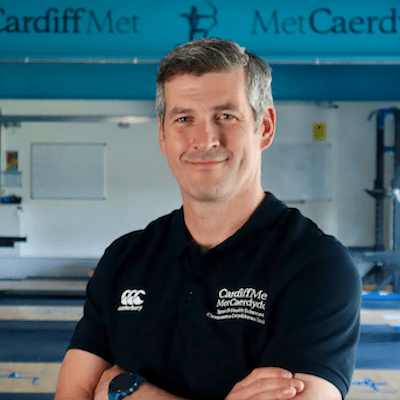
Dr Jonathan Hughes is a Senior Lecturer in Strength and Conditioning at Cardiff Metropolitan University and the 2024 UKSCA Coach of the Year (Education & Research). His work focuses on eccentric training, neuromuscular function and the translation of mechanistic research into applied strategies for performance, rehabilitation and athlete development.
Google Scholar: https://share.google/eY54x0jLtG9lMCRHT