By Chris Bishop,1, 2, 3, 4 Dan Scott,5 Ian Muir,5 Allan Gartshore,5 Jianqing Xu,1 Daniel Coughlan,2, 3, 6 Andrew Murray,2, 3 Anthony Turner,1 Alex Ehlert4
Affiliations:
The aim of the present study was to compare a 6-week strength and conditioning (S&C) training intervention (CONTROL; n = 5) against a 6-week S&C + micro-dosed maximal swing speed training (SWING; n = 6) intervention, in University male and female golfers. Pre and post-intervention testing consisted of golf shots with a driver and physical capacity assessments consisted of an isometric squat, countermovement jump (CMJ), isometric bench press, rotational medicine ball throw for distance and seated thoracic spine rotation for mobility. When considering within-group changes, the SWING group showed significant improvements in a total of eight test measures (g range = 0.46-2.24; p < 0.05) and one significant reduction in force at 100 ms during the isometric bench press (g = -1.15; p < 0.05). For the CONTROL group, no significant changes were evident for any test. When focused on between-group changes, the SWING group showed significantly greater improvements in smash factor (g = 2.31; p < 0.05), medicine ball throw for distance to the left (g = 1.83; p < 0.05) and thoracic spine mobility to the right (g = 1.62; p < 0.05). Conversely, the CONTROL group showed a significantly greater improvement in CMJ peak power (g = -1.98; p < 0.05). In summary, the inclusion of a micro-dosed maximal swing speed training programme appears to elicit favourable improvements in a golfer’s efficiency of strike (smash factor) and some measures of physical capacity which represent kinematically similar movements to the golf swing.
Historically, golf is not a sport with a longstanding tradition of strength and conditioning (S&C) training.2 However, in the past 15-20 years, the sport has attracted much greater interest in how S&C methods can enhance performance.5 Some of this interest has been driven by the influence of key players such as Tiger Woods and Rory McIlroy, both of whom have famously taken their fitness seriously and ultimately, have viewed S&C as a long-term piece in the routine of a professional golfer. Consequently, and by virtue of the success of players like Tiger Woods and Rory McIlroy, the growth and interest in S&C training from other players has snowballed, which is a positive outcome for the profession. Beyond anecdotal increases in participation rates in S&C training, some aspects of an S&C practitioner’s influence can be objectively quantified in the sport of golf. For example, seminal research from Broadie11 has shown that if golfers can drive the ball further (especially off the tee on Par 4 or 5 holes), they will ‘gain strokes’ against other players within a given tournament. The relevance here being that if a golfer is able to drive the ball 10-20 yards further than other players, they will have a shorter approach shot (on a Par 4 or 5 hole), which may improve their chances of hitting the second shot closer to the pin. Consequently, and from an S&C practitioner’s perspective, our biggest influence on driving distance is likely to come from increasing a golfer’s clubhead speed (CHS), which in turn, is why this metric is the most reported in the ‘S&C for golf’ evidence base.10, 17, 19, 23
With the aforementioned in mind, there is a notable volume of literature substantiating the effects of S&C training on CHS and other relevant measures of golf shot performance – e.g., ball speed and carry distance.17, 23 For male players, Ehlert17 undertook a systematic review with quantitative analysis on the effects of S&C training interventions on golf shot data. Specifically, 16 out of 22 interventions showed significant improvements in CHS, resulting in a mean effect size (ES) of 0.45 (↑ 4.1%), 6 out of 10 interventions showed significant improvements in ball speed, resulting in a mean ES of 1.13 (↑ 5.3%), and 6 out of 9 interventions showed significant improvements in carry distance, resulting in a mean ES of 0.59 (↑ 6.3%).17 In female players, substantially less golf performance science research has been published. Robinson et al.23 conducted a meta-analysis examining the effects of training interventions on CHS. Only four studies were reported in the random effects model, which showed a mean ES improvement in CHS of 0.73. However, and important to note, the critique in the meta-analysis of Robinson and colleagues,23 was that the study quality was generally poor, with factors such as: intervention duration, player skill-level and quality of S&C programming all being issues that raised questions as to the efficacy of the interventions undertaken. More recently, Bishop et al.3 conducted a 10-week S&C training intervention on male and female University golfers, with intervention duration, quality of player and programming all being deemed a notable improvement on prior female intervention research in golf. In partial support of this narrative, results showed a moderate improvement in CHS (ES = 0.50), but a large improvement in carry distance (ES = 0.84) for female players.3 Collectively, the current evidence base indicates that S&C training can have a moderate to large improvement on measures of CHS, ball speed and distance and as such, should be seen as an important piece of a golfer’s over-arching preparation.
Whilst the narrative around the importance of S&C for golf is more widely accepted in the sport, there is another mode of training that represents a long-standing method used by golfers in the pursuit of increases in CHS – maximal swing speed training. Put simply, this is where players practice swinging either a club or a shaft with the ability to change attachments at the bottom, as fast as they can, in an attempt to provide some coordinative overload (if using heavier than their driver) or overspeed (if using lighter than their driver), for enhanced CHS. It is important to note that at this point, there is substantially less research on this modality of a golfer’s preparation. Hebert-Losier and Wardell,18 investigated the effects of two different warm-up protocols: one where golfers utilised their own driver and the second which utilised a speed stick product, examining the difference between conditions on CHS, ball speed and smash factor (a ratio constructed by dividing ball speed by CHS). This comparison was repeated over five sets and results showed the speed stick protocol resulted in trivial to small changes, with significant increases in CHS in all five sets (d = 0.16-0.26, p < 0.05) and only set four exhibiting trivial yet significantly greater ball speed (d = 0.11, p < 0.05). Furthermore, set one exhibited significantly lower and large reductions in smash factor (d = -0.82, p < 0.05). Whilst CHS showed improvement in every set, the lack of comparable findings for ball speed would indicate that players were unable to consistently find the centre of the clubface with this increase in CHS. In a similar study design, Bliss et al.6 compared the effects of a control condition (using a driver) vs. a bodyweight warm-up vs. a speed sticks warm-up on CHS, ball speed, carry distance and total distance. Both interventions elicited significant small increases in CHS (bodyweight warm-up: d = 0.28, p < 0.05; speed sticks: d = 0.28, p < 0.05) and carry distance (bodyweight warm-up: d = 0.37, p < 0.05; speed sticks: d = 0.41, p < 0.05), compared to the control condition. Collectively, these two studies show some supporting evidence for the use of maximal swing speed training to provide acute enhancements in some golf shot metrics. However, it appears that published literature has not examined longer-term effects of maximal swing speed training, which highlights an important unexplored area in the golf performance science evidence base. Furthermore, the effects of S&C training and maximal swing speed training have been examined independently to date, which is also surprising given both methods are now commonly accepted examples of good practice for golfers to enhance swing speed.
Thus, the primary aim of the present study was to provide a comparison of two training interventions on University male and female golfers: one which focused on S&C training only, and one which focused on S&C in addition to maximal swing speed training. In light of the available evidence, our hypothesis was that the inclusion of maximal swing speed training would elicit significantly greater improvements in golf shot measures than S&C training alone.
Using a randomised controlled trial, this study employed a comprehensive testing battery consisting of golf shot and physical capacity data, to assess the effects of a concurrent 6-week S&C training (CONTROL) vs. S&C training and micro-dosed maximum velocity swing training (SWING) protocol in University level golfers. The SWING group consisted of four males and two females, who completed three golf practice sessions and two S&C sessions per week, with a progressive micro-dosed maximum velocity swing protocol at the beginning of each of their golf practice sessions, after the warm-up. The CONTROL group consisted of three males and two females, who followed the same weekly training plan of three golf practice sessions and two S&C sessions, but did not participate in the maximum velocity swing programme. All S&C sessions were supervised by a minimum of one UKSCA accredited coach and all sessions on the range were supervised by the Director of Golf at the University.
Eleven participants volunteered to participate in the study, seven males (age: 22.71 ± 2.66 years, height: 179.13 ± 3.92 cm, body mass: 76.13 ± 4.85 kg, handicap: –4.01 ± 0.90) and four females (age: 20.25 ± 1.64 years, height: 169.3 ± 6.15 cm, body mass: 60.20 ± 5.32 kg, handicap: –5.00 ± 1.75). All participants were members of the University performance sport programme, had a minimum of 12-months S&C training experience and competed in The R&A Student Tour Series. Given all golfers were of a high-standard and had a minimum of 12-months S&C training experience, a bespoke test familiarisation session was deemed not necessary. The present study was approved by the London Sport Institute research and ethics committee at Middlesex University.
All golf shot measures were collected in an indoor driving range using a Trackman 4 (Trackman, Vedbaek, Denmark) launch monitor system, set up in line with the manufacturers guidelines for indoor mode testing. Each player used their own driver for both test sessions, with Titleist Pro V1 RCT balls used (Titleist, St. Ives, Cambridgeshire, UK) which have been designed specifically for indoor testing. Players followed a standardised warm-up routine, maintaining the same protocols across both testing days, which was also used prior to all golf practice sessions as well. This consisted of 1 set of 6 repetitions for: forward and lateral lunges, hip swings, overhead squats (with a golf club), and the world’s greatest stretch, followed by hitting 10-15 golf shots each with a wedge, mid-iron, fairway wood and driver. Following this, participants were instructed to take five shots with their driver and cued to: “Imagine you are on a Par 5, with a wide fairway and no hazards either side – just swing it as hard and fast as you would do to maximise distance off the tee”. Approximately 1-minute of rest was given between each shot, with CHS, ball speed, carry distance and smash factor recorded and analysed from all shots, with the average of all trials used for subsequent data analysis. Of note, visual inspection of the data indicated that there were only two potential “mishits”, in either group (whereby outcomes such as carry distance were noticeably different than all other trials), which were included in the analysis.
The isometric squat was performed on twin force plates (ForceDecks, Vald, Brisbane, Australia) sampling at 1000 Hz inside a custom-built isometric rig. The fixed bar was set at a height approximating a quarter squat position, previously identified as 55-65 degrees of knee flexion,21 and consistent with previous studies using the isometric squat.7 Participants were asked to step onto the plates and remain still without touching the bar during weighing. Once weighed, they were instructed to hold the bar like they were about to do a back squat and given up to three practice trials at escalating perceived intensity to ensure they were comfortable and sufficiently warmed up prior to data collection. Prior to the assessed trials, participants were instructed to: “Push as hard and as fast as you can” for all trials. Prior to each repetition a countdown of: “3, 2, 1, push” was given, with each repetition held for five seconds, as previously recommended for the isometric mid-thigh squat.16 Verbal encouragement to push as hard as they could was given during each trial, with a 2-minute rest given between trials. A total of three trials were recorded and analysed for the following metrics: i) net peak force, ii) net force at 100 ms, iii) net force at 200 ms, with the average of all trials used for subsequent data analysis.
The CMJ was performed on twin force plates (ForceDecks, Vald, Brisbane, Australia) sampling at 1000 Hz. All participants were familiar with the CMJ, with demonstrations also given during their respective warm-ups inclusive of three practice trials at 50%, 75% and near maximal perceived effort. Participants stepped onto the force plates and were instructed to remain still through the weighing period. Once complete, participants were asked to jump with a self-selected countermovement depth, jumping “As high as you can”, and ensuring their hands remained on their hips throughout each repetition. The following metrics were collected: i) jump height (using the impulse-momentum method), ii) peak propulsive power and iii) positive net impulse, in line with previous empirical studies in golf.9,22 A total of three trials were conducted with a 1-minute rest between trials and an average of all trials used for subsequent data analysis.
The isometric bench press was performed on twin force plates (ForceDecks, Vald, Brisbane, Australia) sampling at 1000 Hz. Using the same modified rack position as the IMTP test, the head end of a bench was placed on top of the force plates, with the other end raised on 20 kg plates to ensure the bench remained fully flat. As previously detailed,9 participants maintained a vertical forearm position and a 90° angle at the elbow. Bar height was recorded for each athlete, ensuring continuity across trials and test sessions. The force plates were zeroed once the bench was placed on them and participants were weighed whilst lying still on the bench with their hands on their chest. As per the isometric squat test, players were given three warm-up trials at 50%, 75% and near maximal perceived effort. For data collection trials, participants were instructed to: “Push as hard and as fast as you can”, and verbally encouraged to push during each trial, which lasted five seconds as per the isometric squat. The following metrics were collected: i) net peak force, ii) net force at 100 ms and iii) net force at 200 ms. A total of three trials were conducted with a 2-minute rest between trials and an average of all trials used for subsequent data analysis.
Participants stood perpendicular to where they were throwing the ball, with a tape measure secured firmly to the ground taken from their feet. Using a 5 kg medicine ball, participants were instructed to: “Throw the ball as far as possible down the line of the tape measure”.9,23 After the throw, they were not permitted to take a step forward but had to remain in place. Prior to their measured throws, participants were permitted up to three practice throws before completing three recorded throws. Distance was monitored and agreed by two practitioners, with a 1-minute rest given between each throw and an average of all trials was used for subsequent data analysis.
Thoracic rotation was measured using the Vald Dynamo (Vald, Brisbane, Australia), as has been done in previous range of movement tests by the same tester at both time points.4 The Dynamo was securely attached to a polyvinyl chloride (PVC) pipe using straps provided with the Vald Dynamo. Participants were asked to sit on the side of a bench with their feet flat on the floor. Additionally, they were given a foam roller to hold between their knees and cued to: “Squeeze it” as they rotated to minimise compensatory movements at the hips. In this seated position, participants placed the PVC pipe along the front of their shoulders and held it with a crossover grip. They were then instructed to rotate as far as they could through the upper back, whilst keeping the lower back still and squeezing the foam roller between their knees. Trials were monitored for additional movement at the hips or lower back and repeated if it was deemed unwanted movement occurred. A total of three trials were conducted in each direction with a 30-second rest between trials and an average of all trials used for subsequent data analysis.
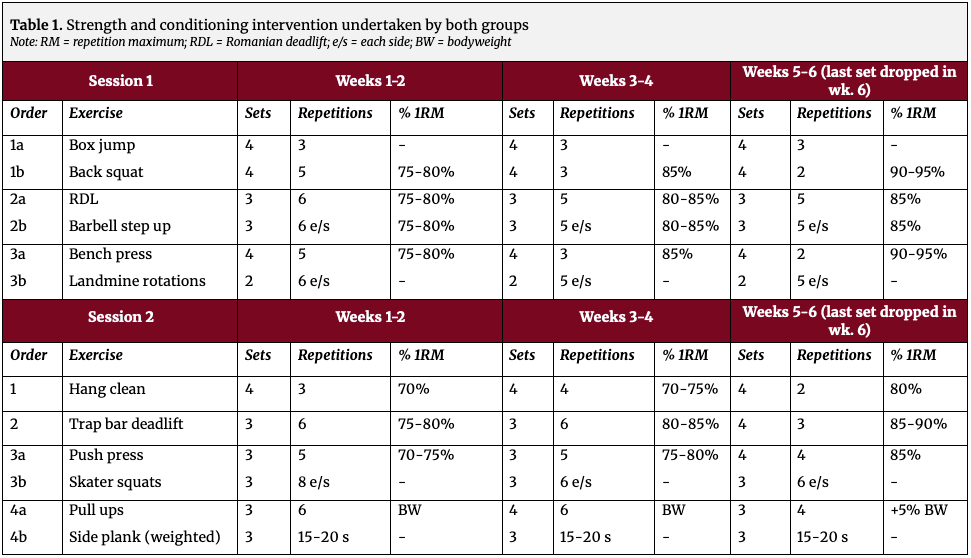
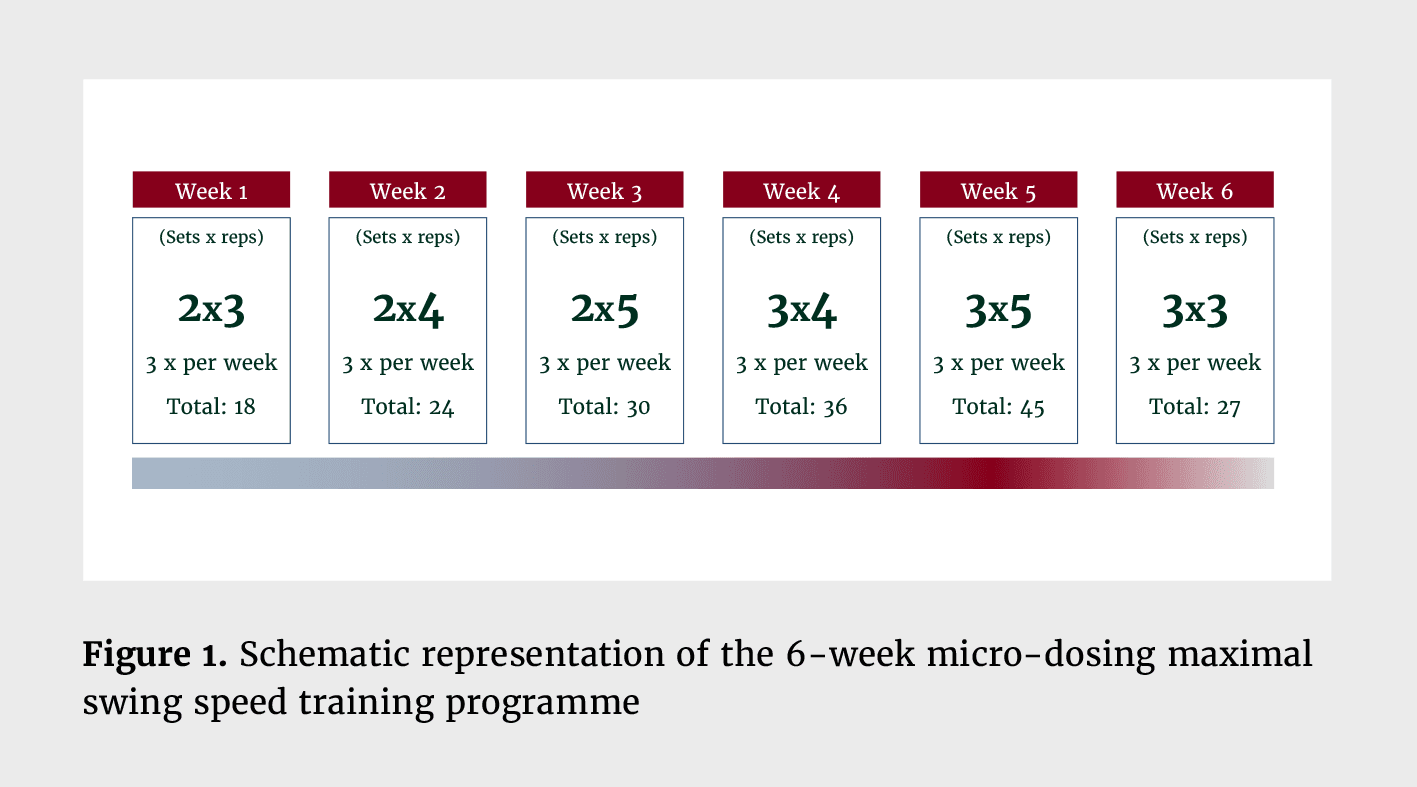
Both groups completed their regular team training, consisting of three golf sessions and two S&C sessions per week. The S&C training was the same across both the SWING and CONTROL groups. Within their golf sessions, the SWING group performed maximal speed swings with their drivers at the end of their warm-ups. These swings did not require participants hitting any balls but placed the sole focus on generating maximum CHS, with no verbal feedback between efforts. A summary of the S&C training protocol (for both groups) is presented in Table 1 and the micro-dosed SWING protocol in Figure 1.
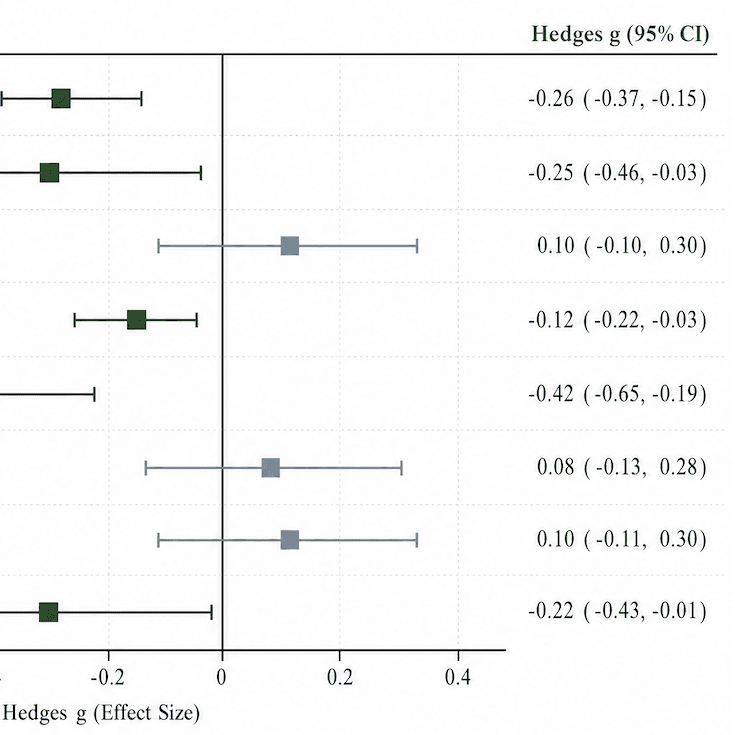
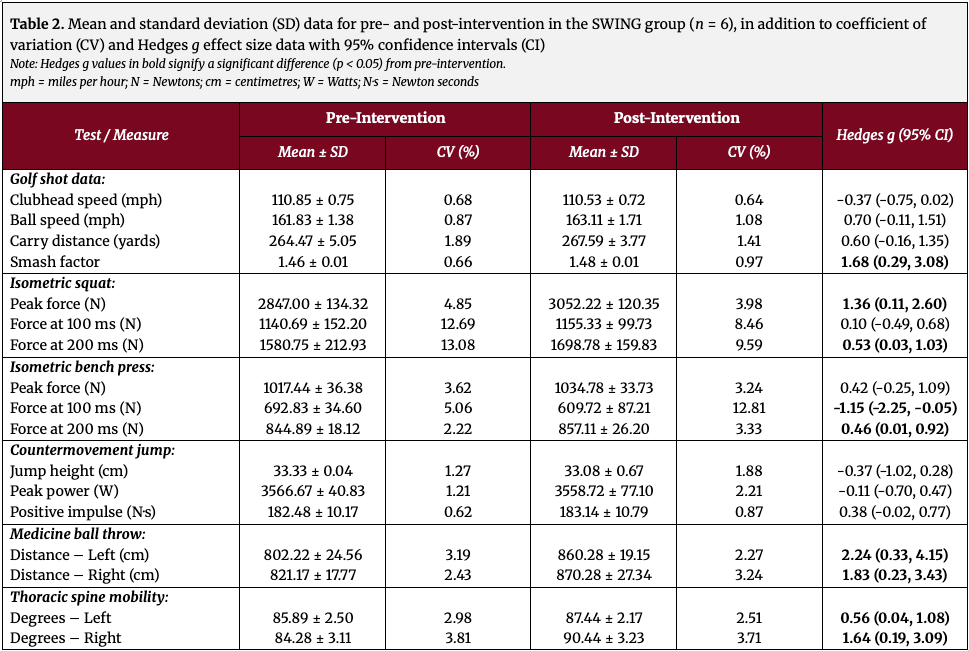
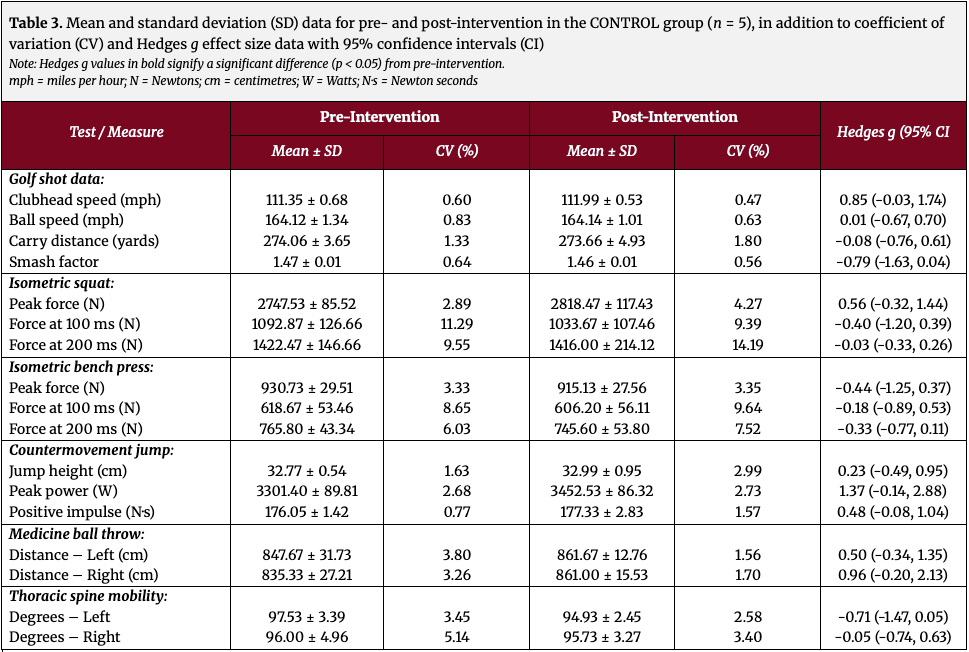
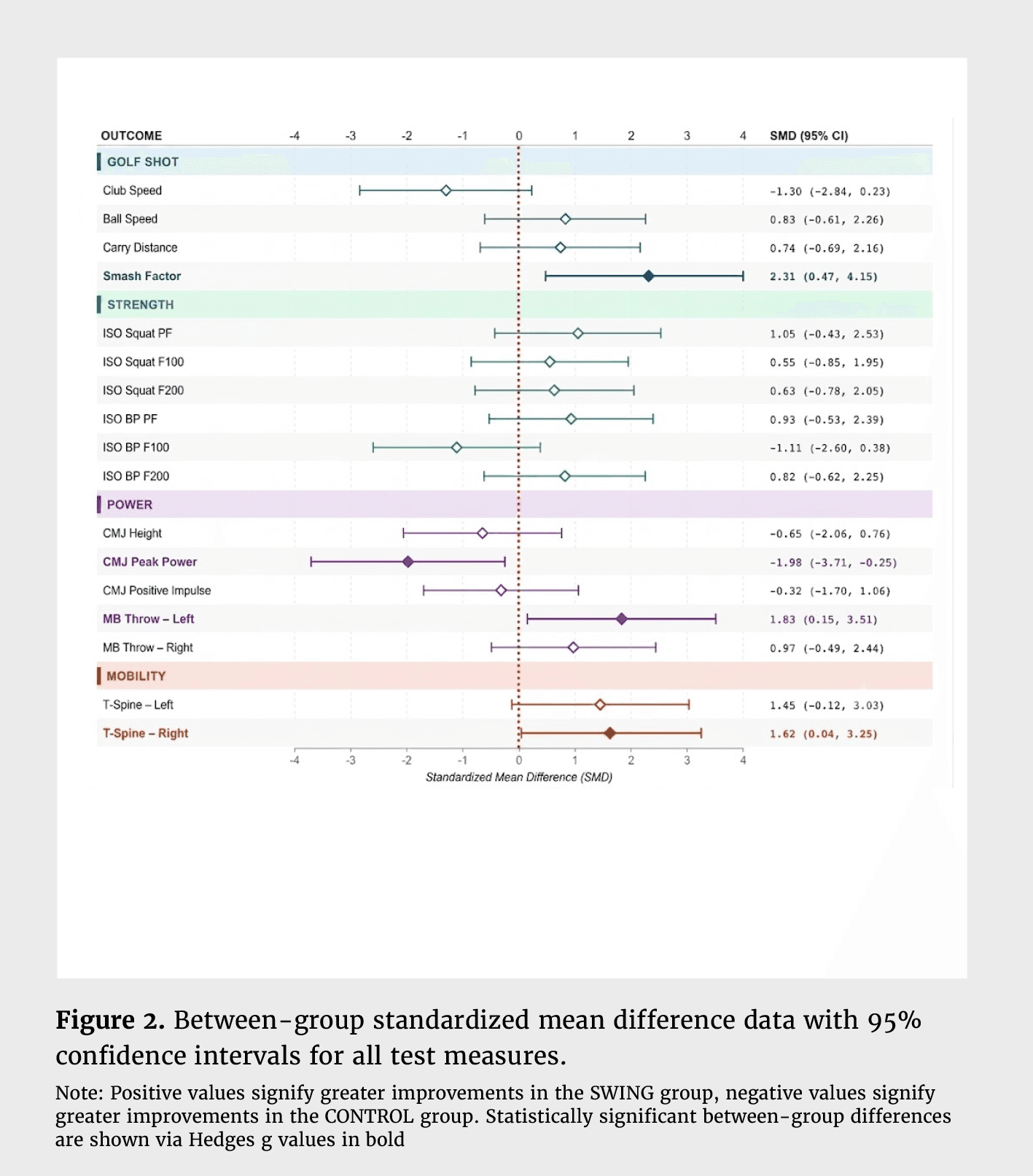
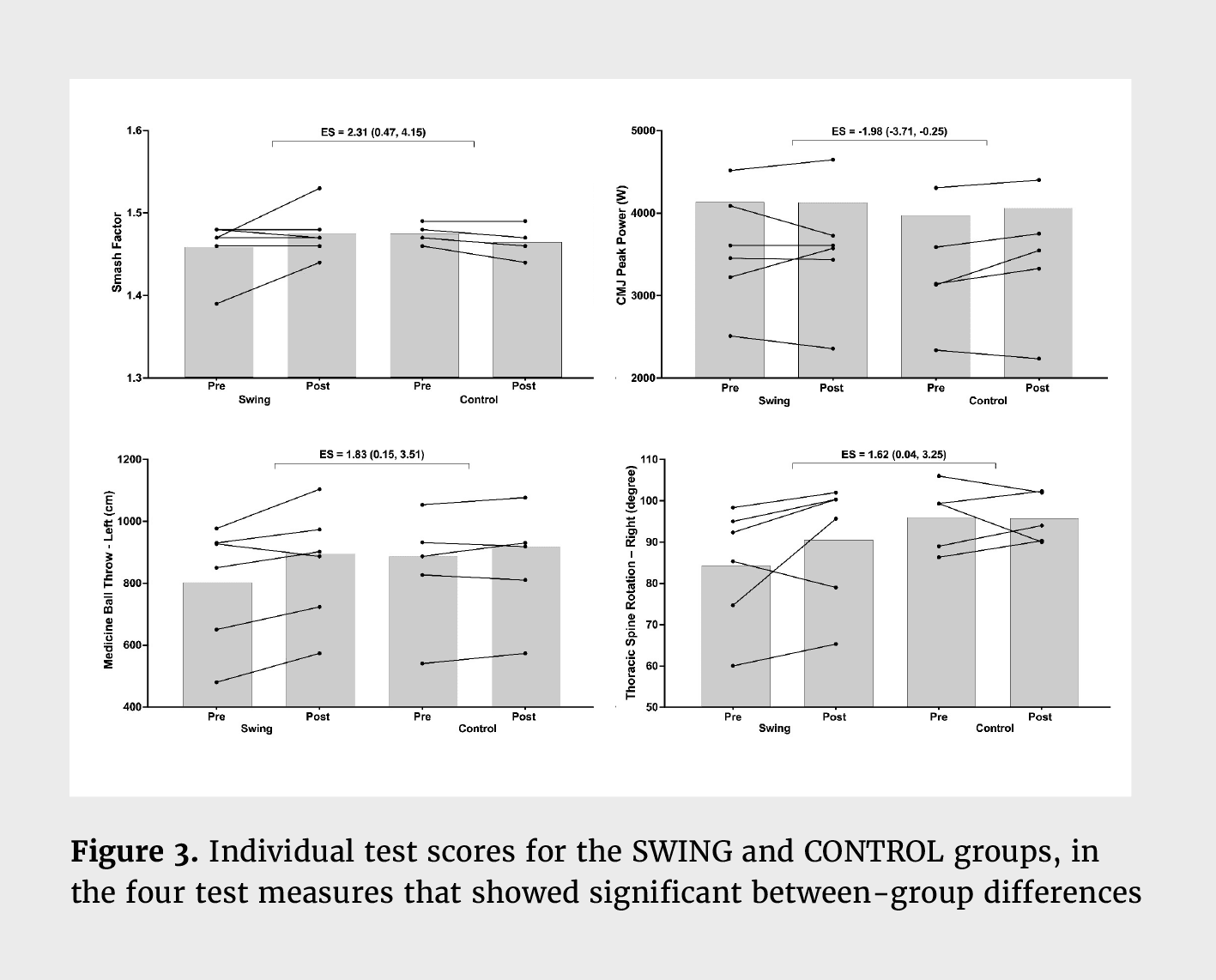
Tables 2 and 3 show within-group changes in test scores for the SWING (Table 2) and CONTROL (Table 3) groups. For the SWING group, a total of nine significant changes in test scores were evident. Eight of these were improvements (g range = 0.46-2.24), with one actually being a reduction in force at 100 ms during the isometric bench press assessment (g = -1.15). When focused on measurement error data, early force-time measures in both isometric protocols showed slightly elevated CV values higher than 10%, showcasing notably greater variability than all other test measures. For the CONTROL group, no significant changes in any test measure were evident and the same early force-time measures showed a similar trend of elevated variability, but only in the isometric squat test. Figure 2 shows a forest plot exhibiting between-group differences. The SWING group showed significantly superior results for smash factor (g = 2.31), medicine ball throw for distance to the left (g = 1.83), and thoracic spine mobility to the right (g = 1.62). Somewhat surprisingly, the CONTROL group showed significantly greater improvements in CMJ peak power (g = -1.98). To showcase how the between-group differences have occurred in these four test measures, Figure 3 shows individual test scores for both groups.
The primary aim of the present study was to provide a comparison of two training interventions on University male and female golfers: one which focused on S&C training only, and one which focused on S&C in addition to maximal swing speed training. When focused on within-group changes, the CONTROL group elicited no significant changes from pre to post, whilst the SWING group showed significant improvements in eight test measures, but also one significant reduction as well. When focused on between-group differences, results showed that the SWING group elicited significantly better improvements in one golf shot measure and two physical capacity measures. In contrast, the CONTROL group showed significantly superior results for CMJ peak power.
When focusing on within-group effects, the SWING group showed significant improvements in a total of eight test measures. Most importantly though, was a large improvement in smash factor (g = 1.68), despite the absolute change being an improvement of only 0.02 and a small reduction in CHS (g = -0.37). There may be two viable reasons for why this change was evident. Firstly, and as outlined in the methods, smash factor is a ratio metric that divides ball speed by CHS and serves as a measure of ‘efficiency of strike’.2,23 In essence, although CHS had a small reduction, the increase in ball speed was proportionally greater, having a more pronounced effect on the resultant smash factor value. Related to this, the SD for smash factor was also very small at both time points, which has a material impact on the 95% CI values, which in turn, also enabled statistical significance to be reached and for the change to still be greater than the baseline measurement error (CV = 0.66%). Second, it seems plausible to suggest that practicing swinging the club as fast as possible may allow players an ability to control the club better at comparable swing speeds (noting that the absolute mean reduction in CHS was only 0.32 mph). Put simply, despite no positive change in CHS being evident, a player’s ‘maximal swing speed ceiling’ may have increased, enabling better control of the club at impact. This seems like a viable explanation, given ball speed, carry distance and smash factor all showed improvements. It also highlights more than one credible way to make improvements in distance i.e., chasing increases in CHS is of course desirable, but impact location on the clubface is also of material relevance.8
From a physical capacity perspective, both the medicine ball throw for distance and thoracic spine mobility tests (on both sides) showed significant increases. Whilst the S&C programming was more focused on the development of maximal and ballistic force production in both the lower and upper body (Table 1), there is some element of kinematic similarity in these tests to the golf swing. Further to this, previous associative9,10,20 and intervention-based research3,17 in golf, has shown the importance of ballistic force production in the upper body, in a rotational manner. Thus, the inclusion of maximal swing speed training may have had some carryover to improvements in kinematically similar physical capacity tests. This theory is also supported in the present study’s findings by a significant improvement in force at 200 ms during the isometric bench press (g = 0.46); another ballistic force production measure. Whilst the significant reduction in force at 100 ms in the same test goes against this theory, it should be noted that force at 100 ms showed a significant worsening of absolute reliability post-intervention (CV pre = 5.06%; CV post = 12.81%). This would indicate substantially less consistency between trials during post-testing procedures for this metric and when the average of all trials is used (as opposed to the best score), this may have contributed to the significant reductions seen at the post-testing time point. Finally, it was also encouraging to see significant improvements in the isometric squat test as well, given previous research has heavily championed the importance of maximal and ballistic force production in the lower body,2,9,17,23,25 due to the proximal-to-distal sequencing pattern of the golf swing.
When focused on the CONTROL group, initially it seems concerning that there are no significant changes in any test, not even for physical capacity measures. However, there are a couple of finer points to consider here. Firstly, the sample size in this group is smaller and although only one participant smaller, it seems that this may have had a material impact on whether post-testing scores reached statistical significance. Specifically, with an already small sample for the SWING group (n = 6), the one less participant for the CONTROL group further widened the lower and upper boundaries of the 95% CI (and this directly relates to the second point of consideration). If we consider mean effects for CHS and CMJ peak power, we can see that large improvements were evident, with Hedges g values of 0.85 and 1.37, respectively. Consequently, although we cannot do anything about the sample size in the present study, these data do highlight the relevance of reporting and monitoring practically relevant changes in the form of ES, a notion championed for this very reason in a recent S&C intervention in University-level male and female golfers.3
When focused on the between-group changes, and without focusing on whether statistical significance was reached for a moment, five differences favoured the CONTROL group and 12 favoured the SWING group. Of those, a total of four measures showed significant between-group differences and at this point, readers should note that these differences are merely a reflection of both sets of within-group changes. Importantly, smash factor showed a very large benefit favouring the SWING group (g = 2.31), indicating that efficiency of strike is likely to be positively impacted from including micro-dosed maximal swing training, rather than not doing any at all. That said, a closer inspection of Figure 3 indicates that the change in smash factor was almost exclusively driven by two players, so some degree of caution should be applied to these changes. Interestingly as well, CMJ peak power favoured the CONTROL group (g = -1.98). However, this is not so much a consequence of a meaningful reduction in the SWING group, as it is a large improvement in the CONTROL group. In addition, with such a large improvement in medicine ball throw for distance on the left side for the SWING group (g = 2.24), the knock-on effect was a significant between-group difference for this measure as well (g = 1.83). Given all golfers in the present study were right-handed, this expression of ballistic force production ‘to the left’ in a rotational manner, is something that all players are used to, which may have had an impact on the difference seen between groups for this measure.
There are a number of limitations that should be acknowledged in the present study. Firstly, the sample size was small and this is something that is not uncommon in performance science literature in golf. We have attempted to ensure that the key messages are conveyed within the context of this limitation, by recognising the importance of presenting ES data, alluding to the relevance of the 95% CI and SD – key parts of understanding magnitudes of change, and also showing some individual data in Figure 3. Second, a recent S&C-based intervention in golf highlighted the importance of running interventions that last longer than 8-weeks,3 and sub-group analysis in a systematic review for golf has also alluded to this point.17 Thus, some degree of caution should be applied to our findings, not only because of the sample size, but because of the intervention duration. Unfortunately, this was unavoidable as players went off to compete in international tournaments soon after the intervention period. Lastly, both groups contain a mix of male and female players. Whilst this is not a limitation in its own right, previous research has shown large discrepancies in many of these test measures between male and female golfers13; thus, it is plausible that some of the within and between-group changes were impacted by homogeneity issues in the groups.
Based on the findings in the present study, and notwithstanding the issues around sample size, maximal swing speed training does show improvements in golfing proxy measures. Whilst the exact mechanisms cannot be established, it seems sensible to suggest that the accumulated effects may help to push a player’s ‘CHS ceiling’, so that comparable swing speeds can be better controlled at ball impact. As such, our message here is that micro-dosing this part of a golfer’s conditioning during practice sessions on the range, is a viable strategy to accumulate volume (and therefore adaptation) over time.14 Additionally, if golfers are not used to this type of training, we have two anecdotal suggestions: i) start maximal swinging with your own driver and there is no need to focus on even hitting a golf ball, and ii) build volume slowly. This latter suggestion comes from a place of understanding that the golf swing produces approximately eight times a player’s body mass in rotational torque on the spine.15 Thus, attempting to swing the club as fast as possible will almost certainly increase the stress placed on this part of the body, which is a commonly injured area in golfers.24 As such, the notion of accumulating volume for maximal swing speed training should be done carefully, and players and coaches should accept that adaptations from this part of a player’s conditioning programme may take time and are likely to plateau eventually. However, when this form of training is undertaken in conjunction with strength and power training, it seems logical to suggest that improvements in swing speed may come from a variety of different training modalities.
Correspondence:
Name: Chris Bishop
Email: C.Bishop@mdx.ac.uk
Address: London Sport Institute, Faculty of Science and Technology, MIddlesex University, UK

Chris is an Associate Professor of Strength and Conditioning and the current Head of Department at the London Sport Institute, Middlesex University.
Google Scholar: https://scholar.google.com/citations?user=jep0KcEAAAAJ&hl=en

Dan is a Strength and Conditioning Coach at the University of St. Andrews, Scotland, where he works with the University male and female golf teams. He also works on the Golf Scholarship Programme at St. Andrews.

Ian is the Director of Golf at the University of St. Andrews, Scotland. He also works on the Golf Scholarship Programme at St. Andrews.

Allan is the Strength and Conditioning Manager at the University of St. Andrews, Scotland and the 1st team Strength and Conditioning Coach at Dundee United FC. He also works on the Golf Scholarship Programme at St. Andrews.

Jiaqing (Jason) Xu is a researcher at the London Sport Institute, Middlesex University. He also provides application support for motion capture systems at Qualisys AB.

Dan is Head of Strength and Conditioning for the DP World Tour, Head of Science and Medicine at England Golf and on the Medial and Scientific Advisory Committee for the European Tour Group.

Andrew is the Chief Medical and Science Officer for the European Tour Group.

Anthony is a Professor of Strength and Conditioning and the Research Degrees Coordinator at the London Sport Institute, Middlesex University.

Alex is a Sport Scientist at the Sports Academy at the PGA America headquarters, in Frisco, Texas, USA.