Fuse logo
Logo image

LATEST NEWS


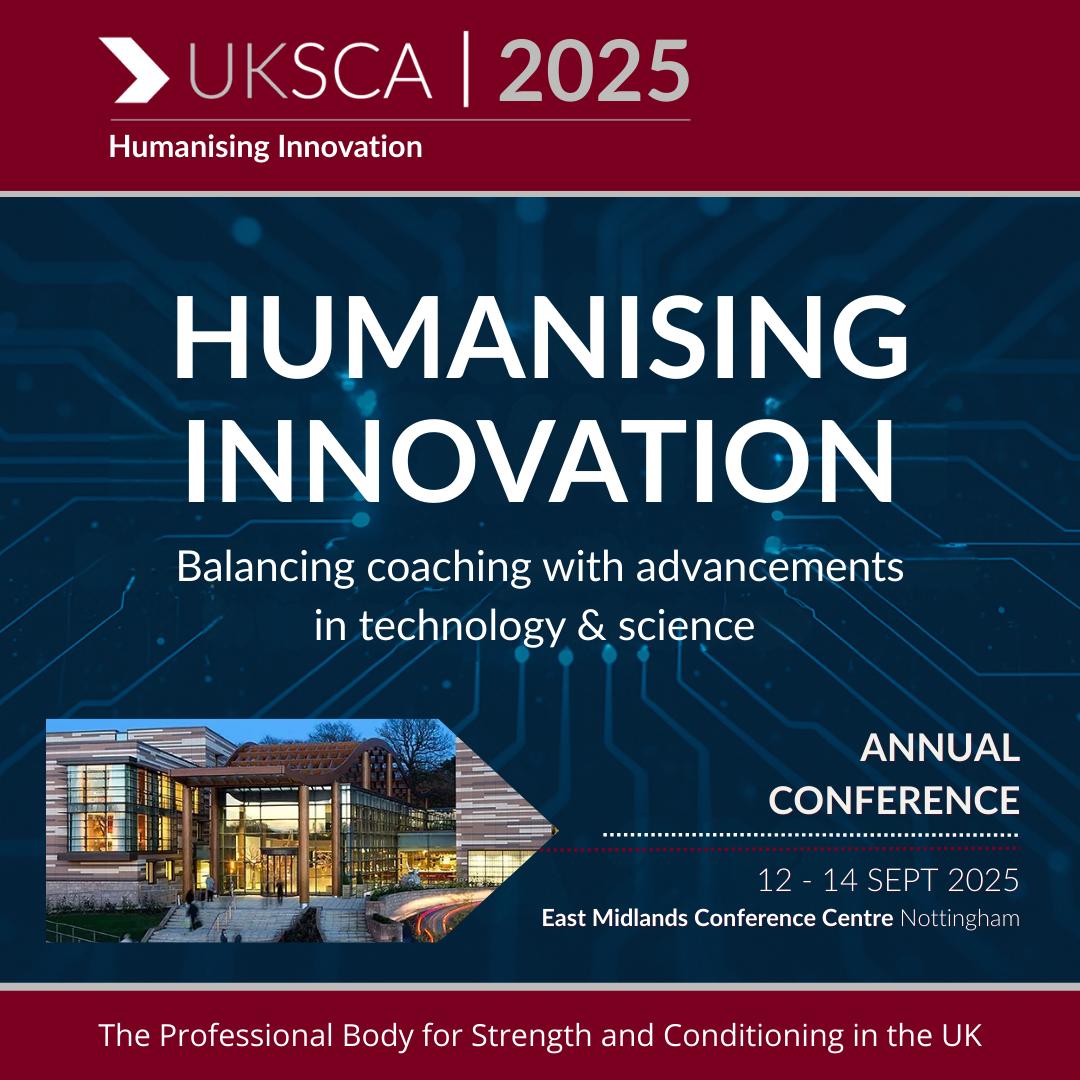
Humanising Innovation: UKSCA 2025

02/04/2025

Each year, the UKSCA Annual Conference aims to spotlight the most pressing, progressive and thought-provoking themes within the strength and conditioning profession. In 2025, we’re proud to present a theme that strikes at the very core of what it means to be a modern coach:

Humanising Innovation: Balancing Coaching with Advancements in Technology and Science

Why This Theme?

This year’s title didn’t emerge by chance. It reflects a growing conversation that has been gaining momentum within the UKSCA Board and is echoed across the wider coaching and performance landscape.

There is no denying that technology and scientific advancements are rapidly shaping the way we work. From force platforms and GPS trackers to AI-assisted feedback and real-time data dashboards, the tools available to coaches today are more powerful than ever before; but with great power comes a great paradox.

Technology in our field represents both a tremendous opportunity and a potential threat. It can unlock previously unimaginable insights into athlete development, injury prevention and performance metrics. Yet, at the same time, there’s a growing concern that we are at risk of losing touch with the human elements of coaching.

Why We’re Excited

This year’s conference theme recognises the need to re-centre the S&C Coach within the performance conversation, because even as our tools evolve, the essence of great coaching remains constant:

Connection. Communication. Context. Compassion.

A spreadsheet might quantify movement, but it cannot read the nuance of emotion. A dashboard might highlight risk, but it won’t offer a shoulder to lean on after a setback. Technology can enhance, but can never replace, the human interaction that is at the heart of our work.

Humanising Innovation is a timely exploration into:

  • How we can harness data without becoming data-dependent
  • What ethical innovation looks like in practice
  • Where intuition meets insight
  • How we preserve the art of coaching in a tech-driven world

“This year’s theme reflects one of the most important conversations in our profession - how we embrace innovation without losing what makes coaching truly effective. Technology can enhance what we do, but it’s the human connection that drives real performance.

“As the professional body for Strength & Conditioning in the UK, the UKSCA has a vital role to play in leading this discussion. We exist to support our members, challenge outdated norms and help shape a future where coaching evolves with innovation, without compromising the values, ethics and human insight that define our profession.”

Andy Boyd, Chair, UKSCA Board

What to Expect at the Conference

This year’s line-up will feature:

  • Industry-leading researchers discussing the latest evidence around technology’s role in performance
  • Experienced practitioners sharing how they integrate tech into their everyday environments
  • Live debates, roundtables and keynote sessions exploring the future of human-driven, tech-informed coaching.

Whether you’re just starting out or leading a performance department, this year’s conference will give you:

  • Tools to better understand when and how to implement technology
  • Insights into how to maintain your coaching identity amidst innovation
  • Confidence to make evidence-based decisions without losing sight of human needs.

The Future Is Not Either/Or – It’s Both

Innovation is not the enemy of coaching, done well it can be coaching’s greatest ally. However, it must be approached with critical thought, compassion and purpose.

At the 2025 UKSCA Annual Conference, we’ll challenge ourselves - and each other - to step into the future without losing what makes our profession unique.

We believe that in a world of algorithms and automation, the most powerful tool we still have... is the coach.

Join us this September. Be part of the conversation. Shape the future of S&C coaching.



Related Topics


Additional resources

Profile img
ARTICLE
Athlete Monitoring Practices in Low-Resource Sporting Environments: Evidence from Ghanaian Football and School Sports
Athlete monitoring in low-resource sporting environments, exploring practical, sustainable methods used in Ghanaian football and school sports.

Profile img
ARTICLE
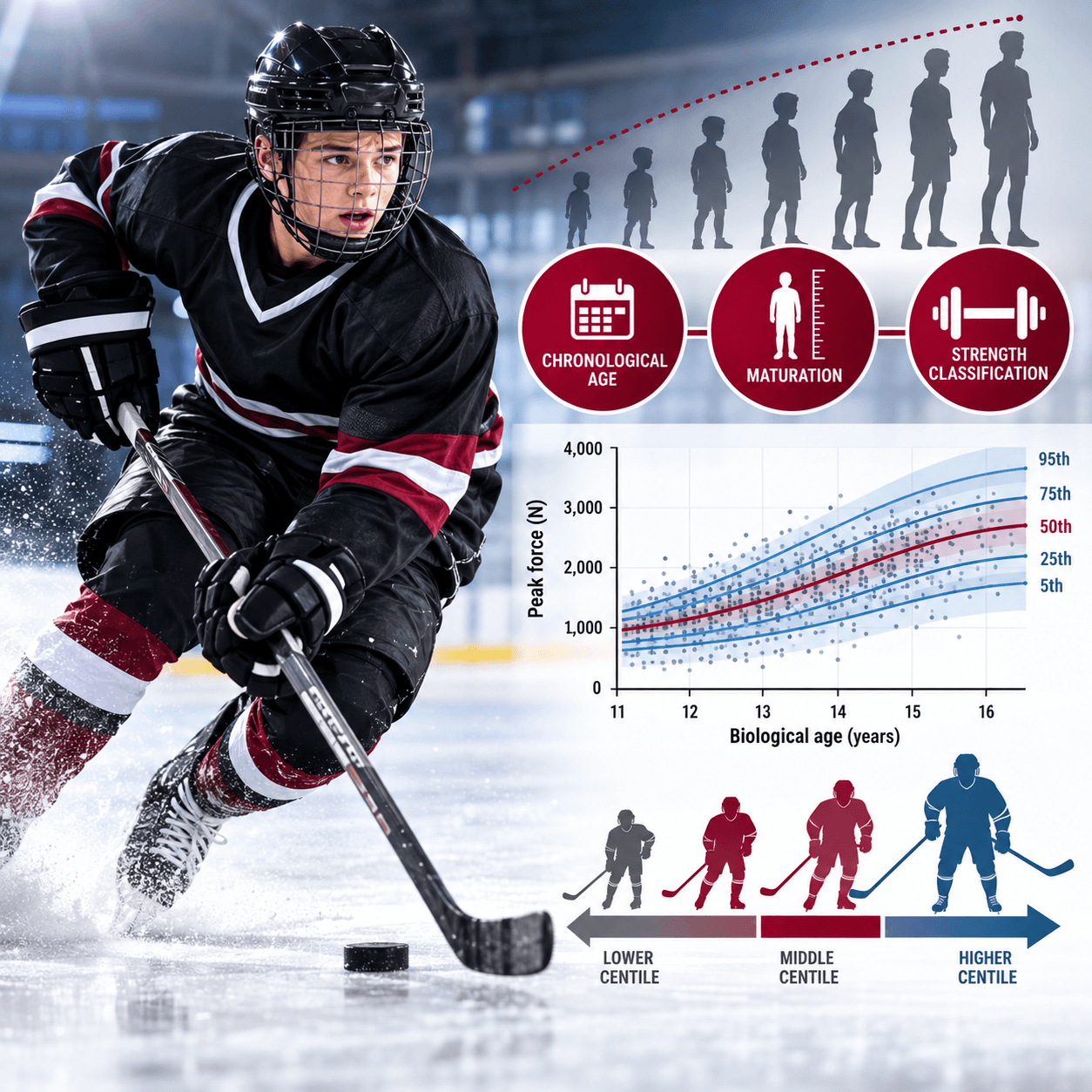
Maturity-aware reference profiling of strength in competitive UK youth male ice hockey: athlete reclassification using chronological-age and biological-age centiles.
Examines how biological maturation and body size influence strength classification in UK youth ice hockey players, highlighting maturation-sensitive centiles and allometric scaling.

Profile img
ARTICLE
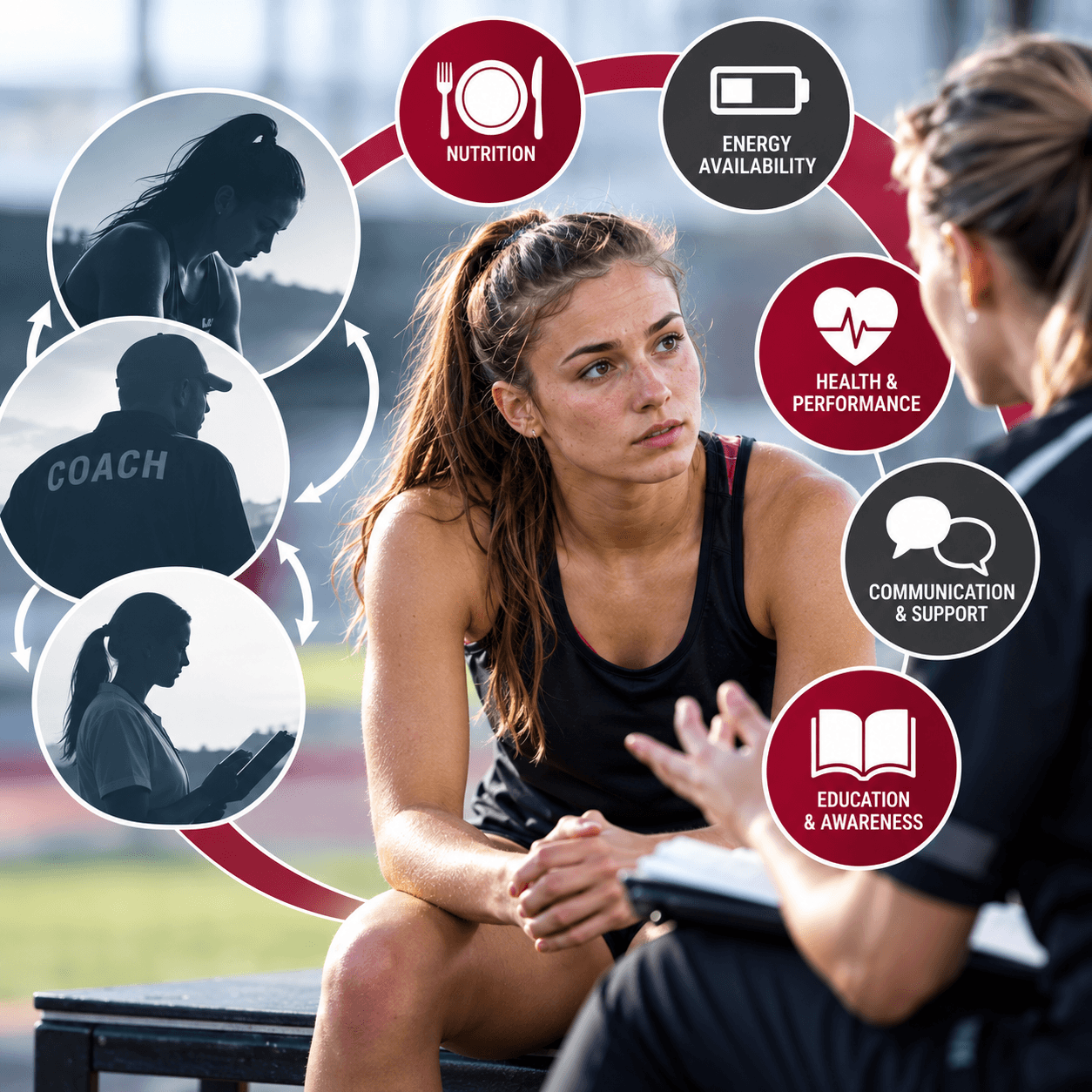
Experiences of Relative Energy Deficiency in Sport (REDs) are Complex and Multifaceted, with Expectations and Perceptions Shaped by Individual Perspectives
Explores athlete, coach and support staff perspectives on Relative Energy Deficiency in sport (REDs), highlighting education, individualised care and the coach–athlete relationship.

Profile img
ARTICLE
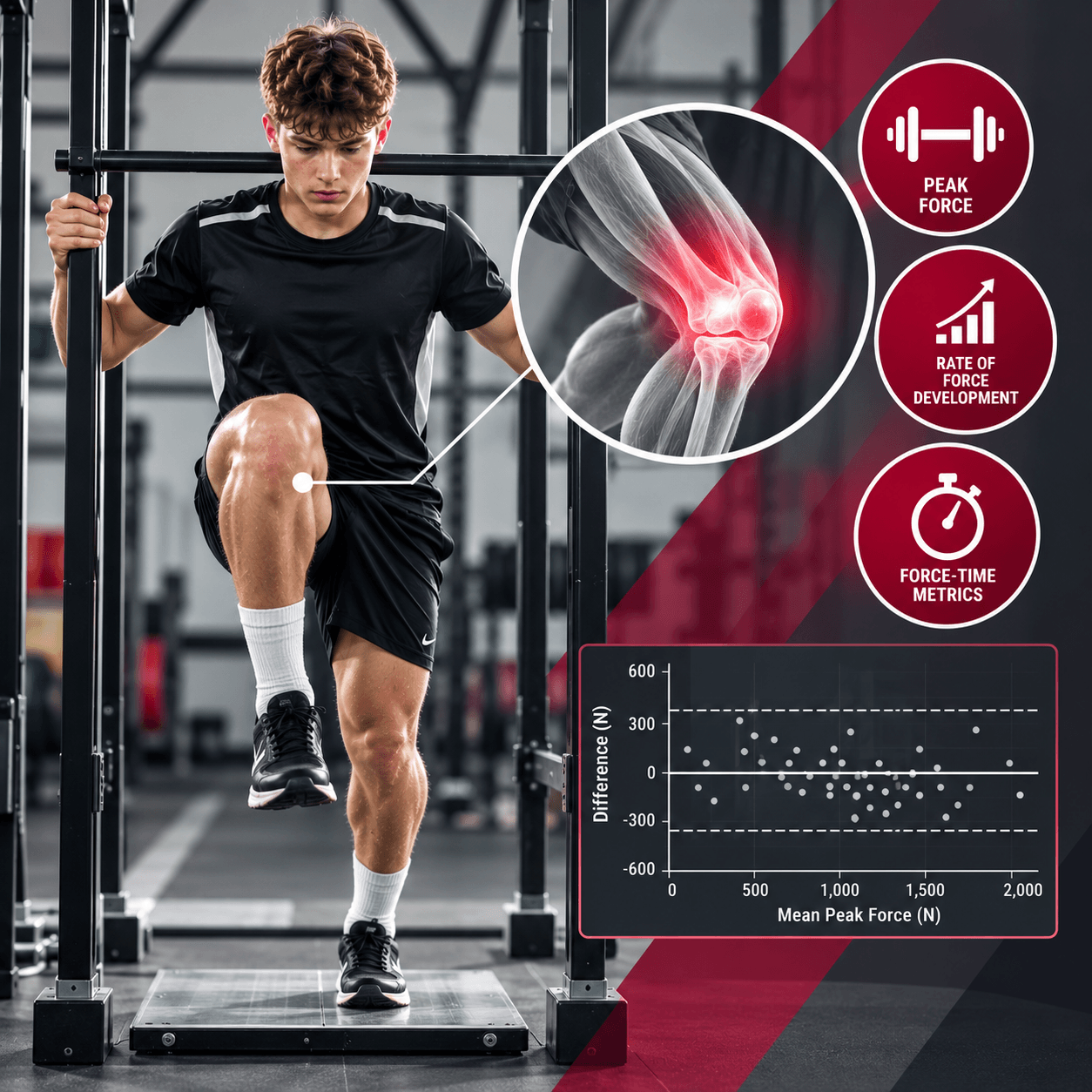
The Run-Specific Knee Isometric-Push Assessment: A Measurement Reliability Study in Adolescent Athletes.
Examines the measurement reliability of the run-specific knee isometric-push assessment for profiling force-time performance and injury-related asymmetries in adolescent athletes.

Profile img
ARTICLE
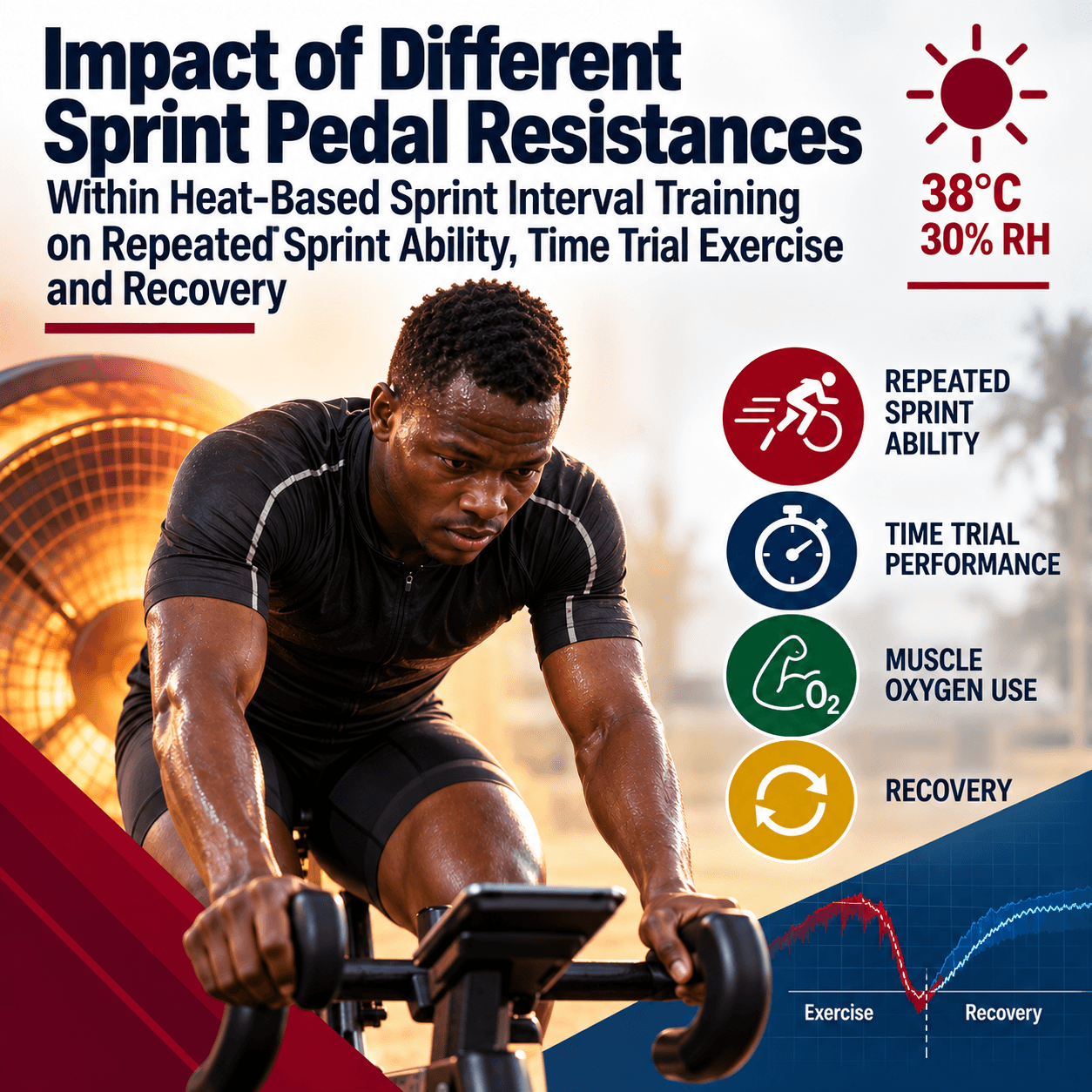
Impact of Different Sprint Pedal Resistances Within Heat-Based Sprint Interval Training on Repeated Sprint Ability, Time Trial Exercise and Recovery
Examining how different sprint pedal resistances during heat-based sprint interval training affect repeated sprint ability, cycling performance, muscle oxygen use and recovery.

Profile img
ARTICLE
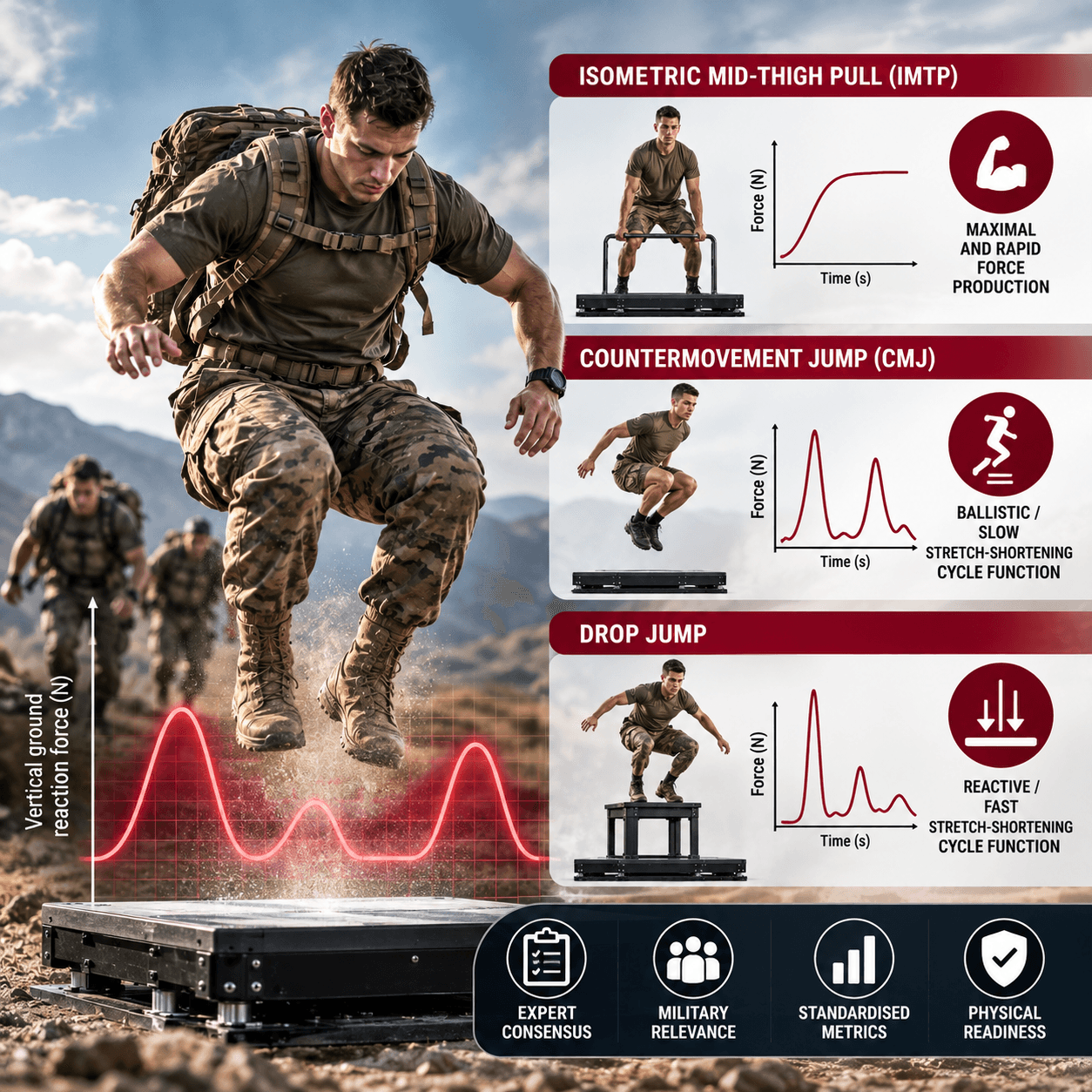
Force Plate Assessment Before Arduous Military Training: Expert-Informed Recommendations for Test and Metric Selection
Presents expert-informed recommendations for force plate testing before arduous military training, identifying IMTP, countermovement jump and drop jump measures for neuromuscular profiling and physical-readiness assessment.

Profile img
ARTICLE
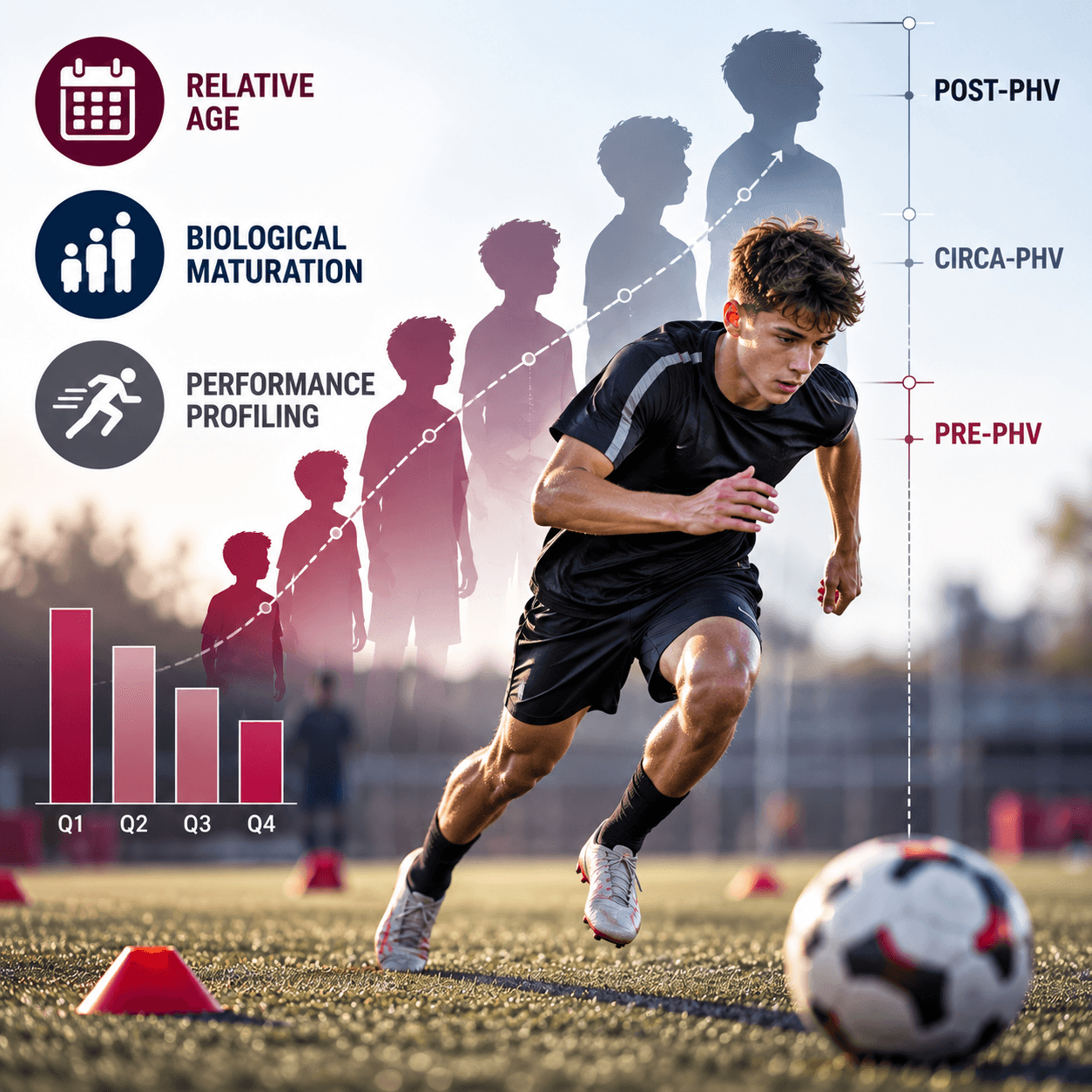
Does Relative Age and Biological Maturation Affect Performance Profiling Outcomes in Youth Football?
Explores how relative age and biological maturation influence performance profiling in youth football, highlighting implications for talent identification and player development.

Profile img
ARTICLE
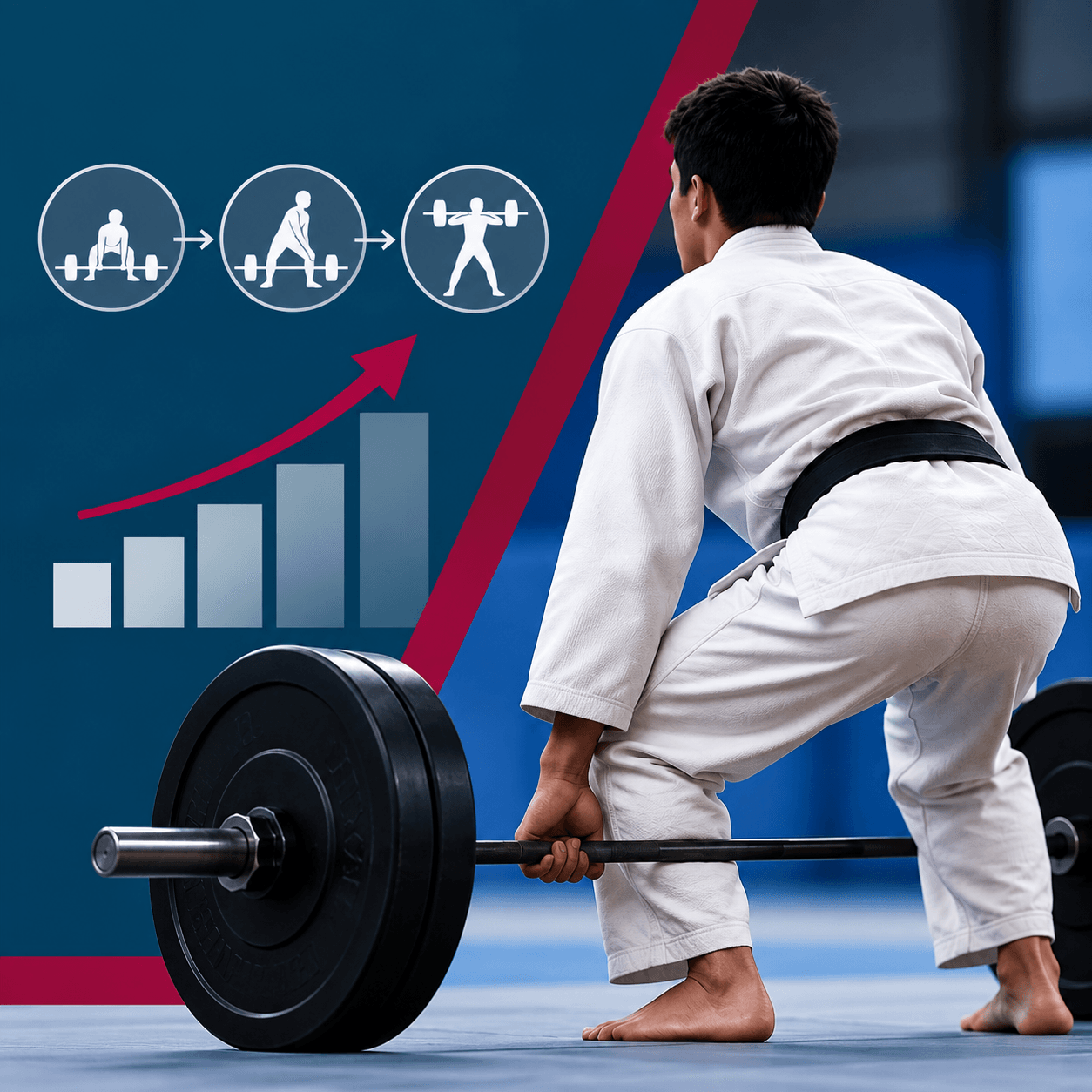
Technical Exercise Proficiency as a Programme Foundation for the Development of Judo Specific Muscular Strength: A Case Study in S&C Novice Club Judokas
Explore how technical exercise proficiency and power clean progression influence judo-specific muscular strength development in novice judokas.

Profile img
ARTICLE
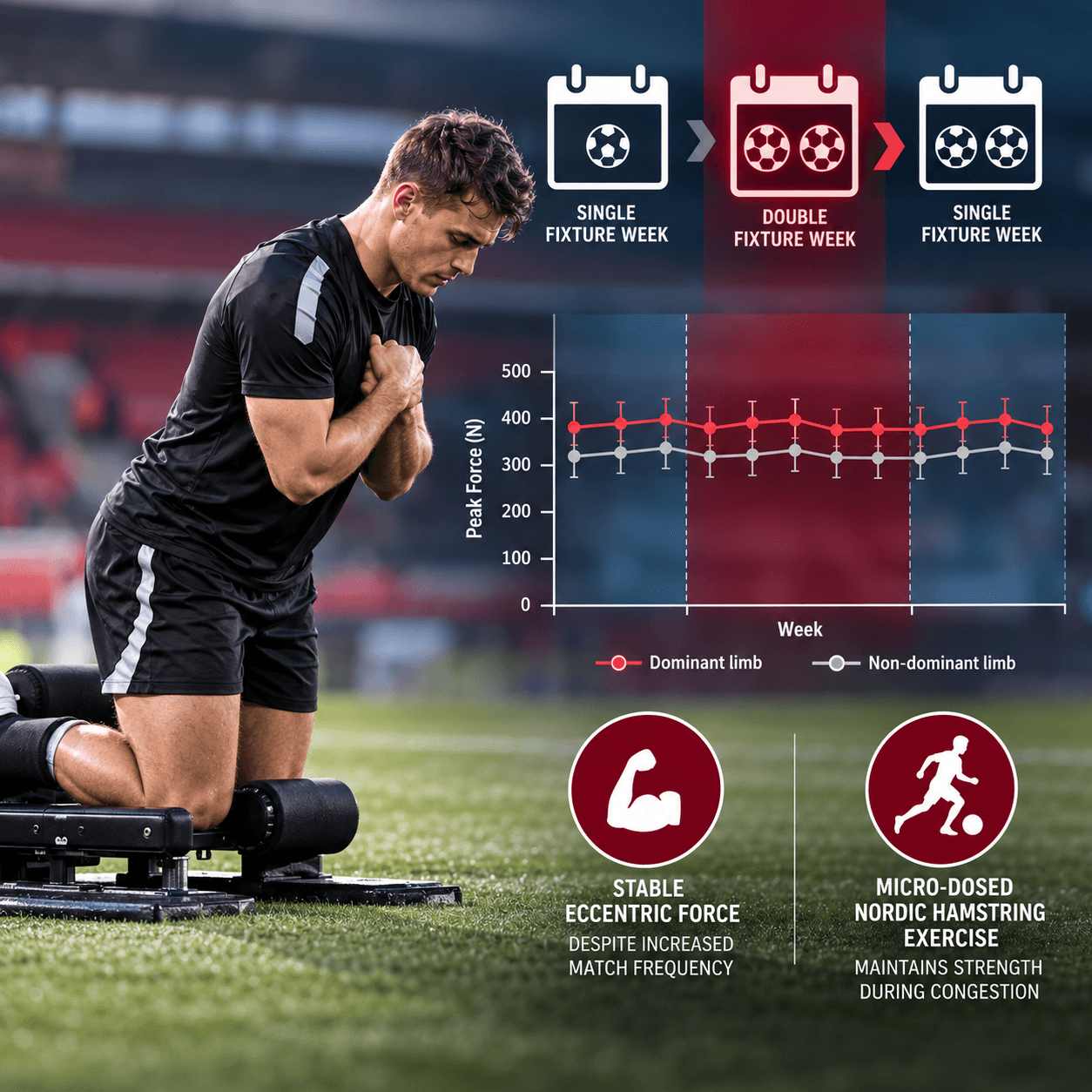
Longitudinal monitoring of eccentric hamstring strength during fixture congestion in professional football: No changes in force despite increased match frequency
Examines eccentric hamstring strength during fixture congestion in professional football, showing stable force despite increased match frequency and supporting micro-dosed Nordic hamstring exercise.

Profile img
ARTICLE
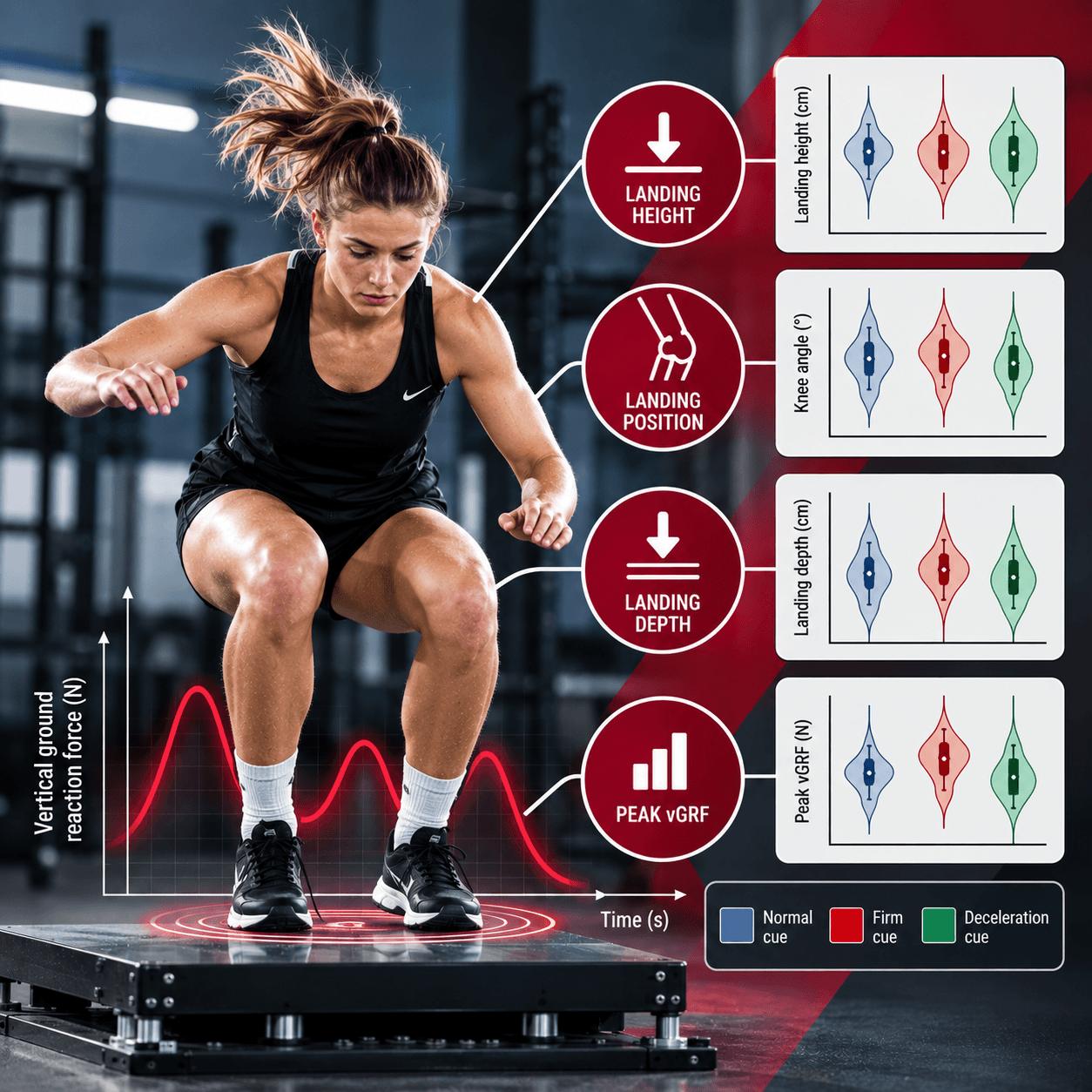
Cueing the Landing: Effects on Landing Mechanics and Reliability in University Athletes
Examines how verbal cueing influences landing mechanics and measurement reliability, including landing height, position, depth and peak vertical ground reaction force.

Profile img
ARTICLE
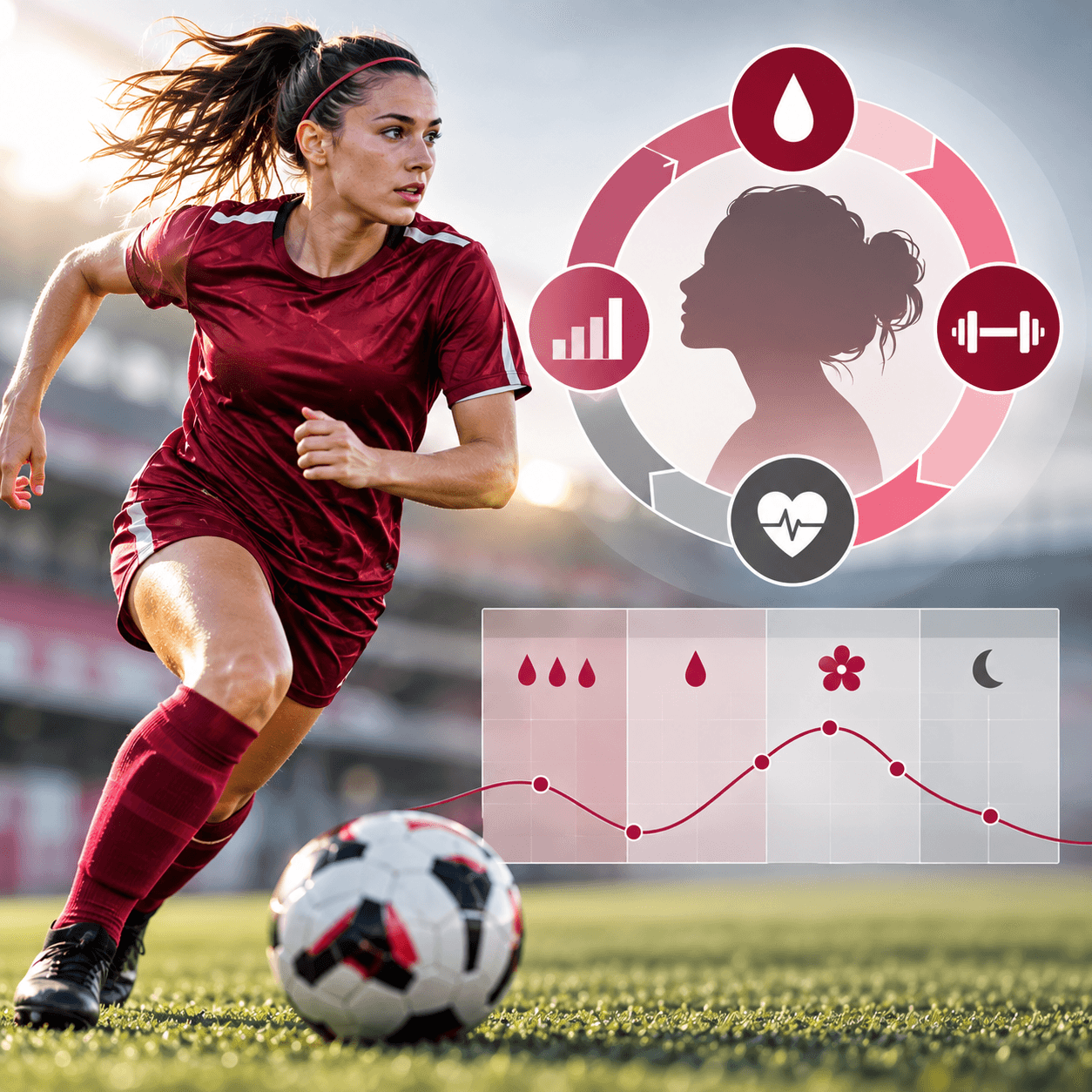
Adapting Training Load Based on the Menstrual Cycle in Women’s Football: Player Perception, Preferences, Barriers and Experiences
Explores female footballers’ perceptions, preferences and barriers around menstrual cycle tracking, with practical recommendations for adapting training load and improving athlete buy-in.

Profile img
ARTICLE
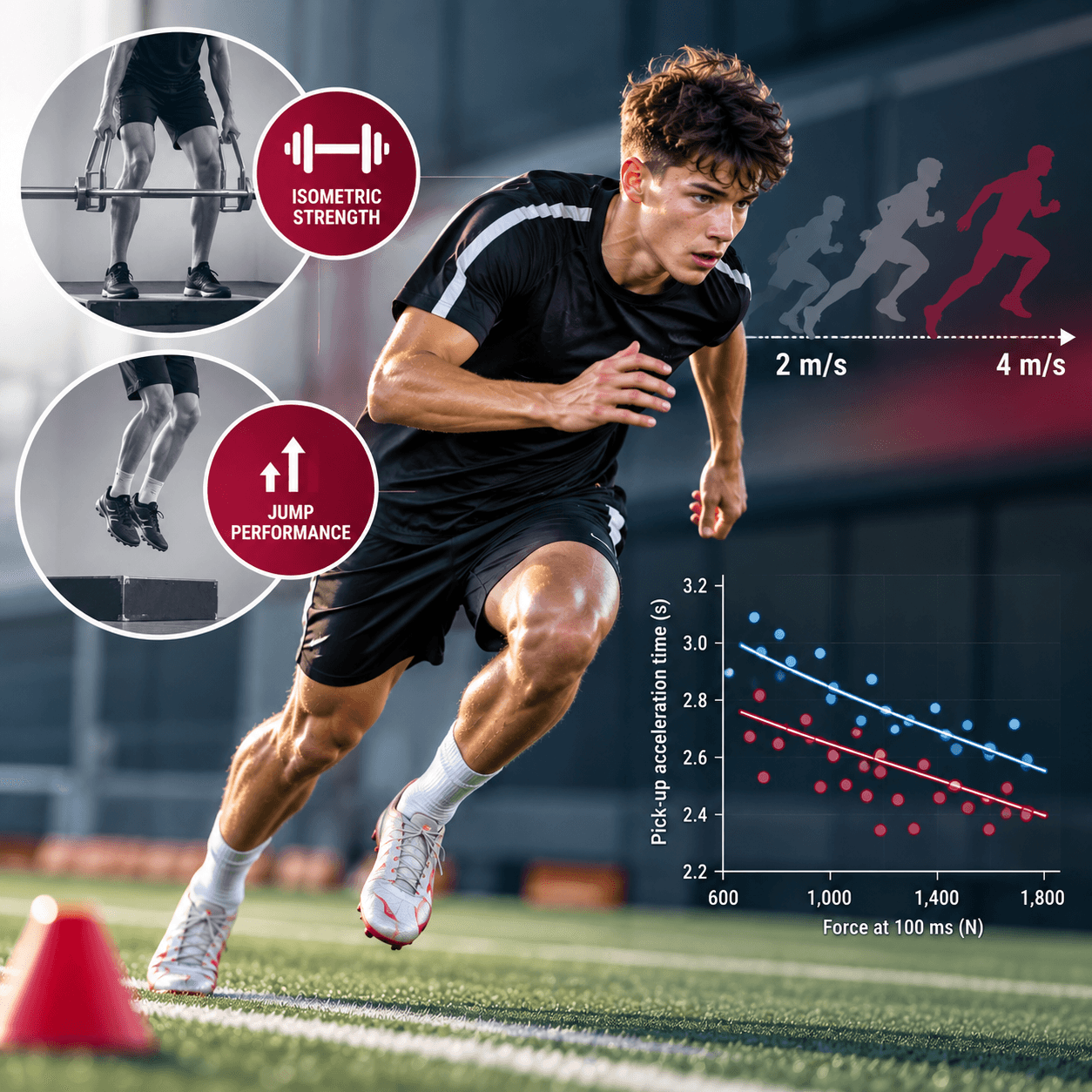
Relationships between Pick-up Acceleration, Isometric and Jump Force-Time Variables in Youth Football Players
Examines relationships between pick-up acceleration, isometric strength and jump performance in youth football, highlighting early-phase force development as a key predictor of acceleration performance.

Profile img
ARTICLE
Development of an International Expert Consensus Framework for Criteria-Based Rehabilitation and Return to Performance Following Climbing injury
Presents an international expert consensus framework for criteria-based rehabilitation and return to performance following climbing injury, integrating physical capacity, climbing exposure and psychological readiness. Ehiogu

Profile img
ARTICLE
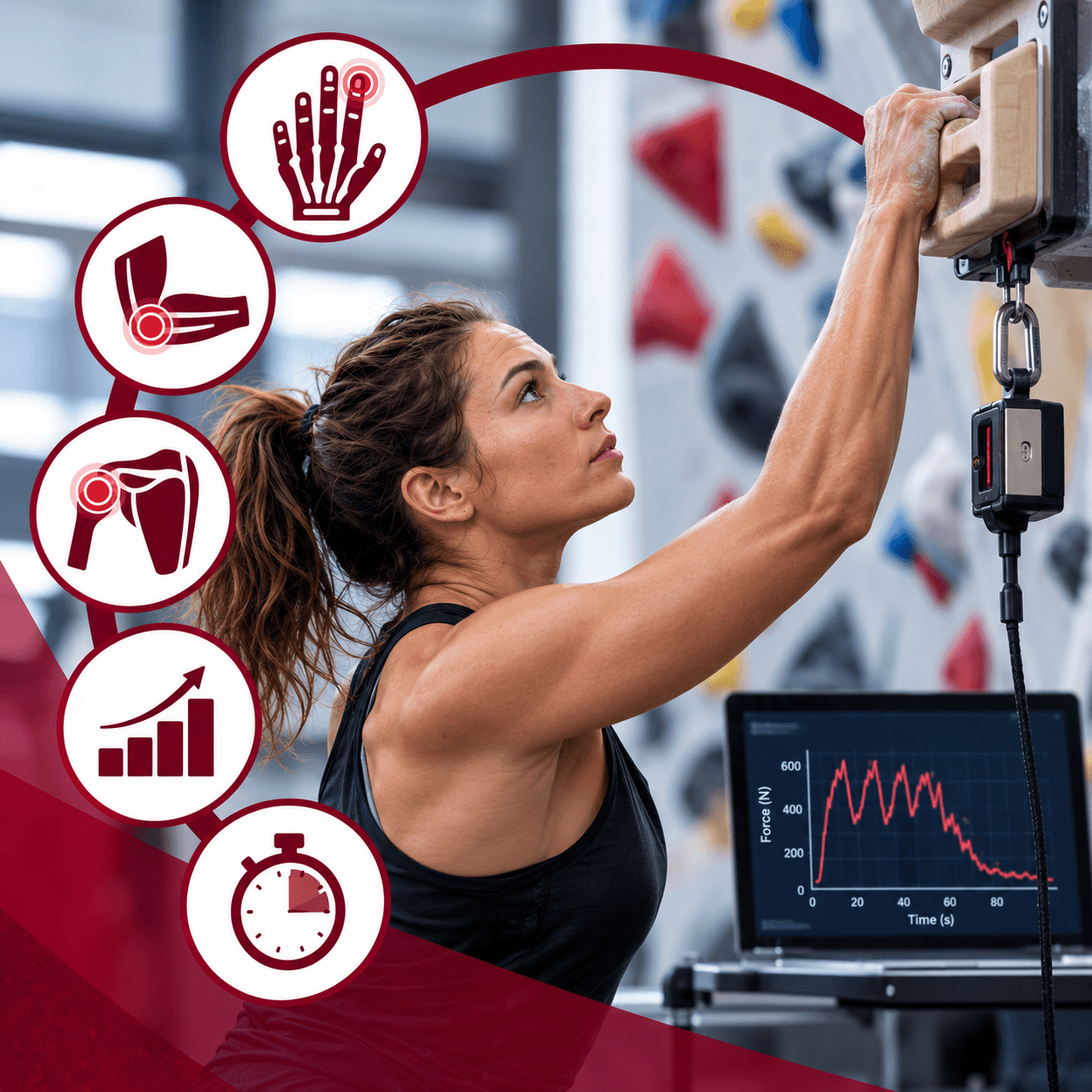
Reliability and Measurement Error of a Climbing-Specific Upper Extremity Testing Battery for Sports Rehabilitation and Performance Monitoring
Examines the reliability and measurement error of a climbing-specific upper-extremity testing battery for monitoring finger and shoulder strength and endurance during rehabilitation.

Profile img
ARTICLE
Return to climbing after musculoskeletal injury: A scoping review of rehabilitation content, outcome measures and return to sport criteria.
Reviews rehabilitation, outcome measures and return-to-climbing criteria following musculoskeletal injury, highlighting gaps in objective progression and return-to-performance guidance.